.webp)

Scrambler Therapy is a non-invasive neurostimulation treatment designed to relieve chronic and neuropathic pain without medication. It delivers low-dose electrical signals to disrupt pain messages sent through damaged nerves. By “scrambling” these pain signals, the therapy aims to retrain the nervous system to interpret pain differently.
Unlike standard painkillers, Scrambler Therapy works directly on the pain signaling pathways, making it a non-drug, non-invasive solution for long-standing pain that resists conventional treatment.
In the next section, we’ll break down the mechanism that drives its results.
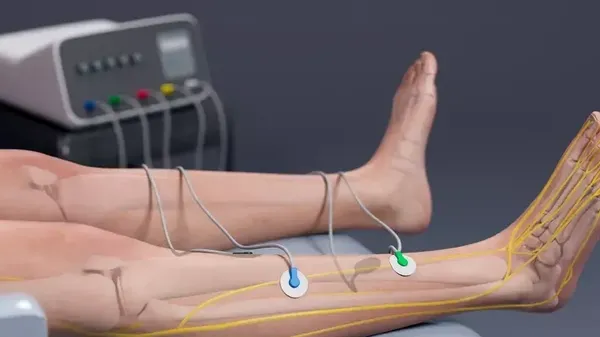
Scrambler Therapy reprograms pain signals at the nerve level through surface electrodes. These electrodes target C-fibers, the nerve fibers responsible for transmitting chronic pain. It uses a proprietary waveform to send "non-pain" information to override existing pain signals.
Gate control theory suggests the spinal cord can suppress incoming pain signals. Scrambler Therapy exploits this by sending “no pain” information via electrical stimulation, modulating how the central nervous system perceives chronic pain.
Coming up: Clinical trials that evaluated its effectiveness with real patients.
Clinical trials have confirmed that Scrambler Therapy significantly reduces pain scores in patients with various neuropathic pain syndromes. Below are pivotal studies supporting its use:
Conclusion from data: Peer-reviewed Scrambler Therapy trials consistently demonstrate high treatment response rates, minimal side effects, and sustained relief.
Next, we compare it with other pain management therapies.
Scrambler Therapy shows comparable or superior outcomes to traditional treatments like opioids, TENS, and physical therapy—without the risk of dependency.
Scrambler Therapy provides a non-addictive, non-invasive, outpatient alternative for patients seeking relief from persistent pain. Unlike TENS, which only stimulates nerve endings, Scrambler modifies signal interpretation in the central nervous system.
Now we explore the specific types of pain Scrambler Therapy targets.
Scrambler Therapy has been used effectively across a range of chronic and treatment-resistant pain conditions, especially those with a neuropathic basis.
These cases involve nerve damage or central sensitization, making them ideal targets for therapies that act on pain pathways rather than symptoms.
In the next section, we’ll describe how Scrambler Therapy is applied in clinical settings.
Scrambler Therapy is administered in outpatient clinics, usually under the supervision of trained therapists. Patients remain awake and seated during the procedure.
The therapy device delivers non-pain electrical waveforms through adhesive electrodes. Patients often report a mild tingling or massaging sensation.
Now we’ll look at real-world outcomes and satisfaction rates among patients.
Patients consistently report meaningful reductions in pain intensity, improved daily functioning, and enhanced quality of life.
In a 2020 multi-center follow-up study, over 70% of patients maintained benefits for up to 6 months. Functional improvement and return to work were also noted in working-age adults.
Next, we’ll cover limitations and criticisms from clinical trials.
Despite strong anecdotal and clinical support, Scrambler Therapy faces scrutiny for small trial sizes, placebo effects, and reproducibility issues.
Researchers advocate for larger, multicenter RCTs with standardized protocols to confirm and extend findings. Despite these issues, published results remain promising.
Next: What do regulatory bodies like the FDA say about Scrambler Therapy?
Scrambler Therapy is FDA-cleared as a Class II medical device for use in the U.S. under the name “MC-5A Calmare.” It has also received CE certification in Europe.
Global adoption remains uneven, but interest is growing as more data validates the therapy’s safety and effectiveness.
In the next section, we explore how Scrambler fits into integrated pain management programs.
Scrambler Therapy is most effective when combined with multimodal pain strategies. Clinics often integrate it with CBT, physical therapy, or pharmacologic treatments to support full recovery.
This holistic approach allows for customized treatment plans tailored to individual pain profiles and response patterns.
Now, we shift to the future of Scrambler Therapy.
Emerging research is focusing on personalized Scrambler Therapy using AI and machine learning. These tools may optimize stimulation parameters based on biomarkers and patient data.
This direction aligns with trends in precision pain medicine, where treatments are adjusted in real-time to match patient biology.
Last, we answer common user questions.
It’s a neurostimulation therapy that replaces chronic pain signals with non-pain signals via surface electrodes.
Yes, it is FDA-cleared as a Class II medical device for pain treatment.
It’s used for CIPN, diabetic neuropathy, post-herpetic neuralgia, fibromyalgia, and spinal cord injury pain.
Usually 10 to 15 daily sessions, each lasting around 30–45 minutes.
Trials show 50–80% pain reduction in most patients, with effects lasting several months.
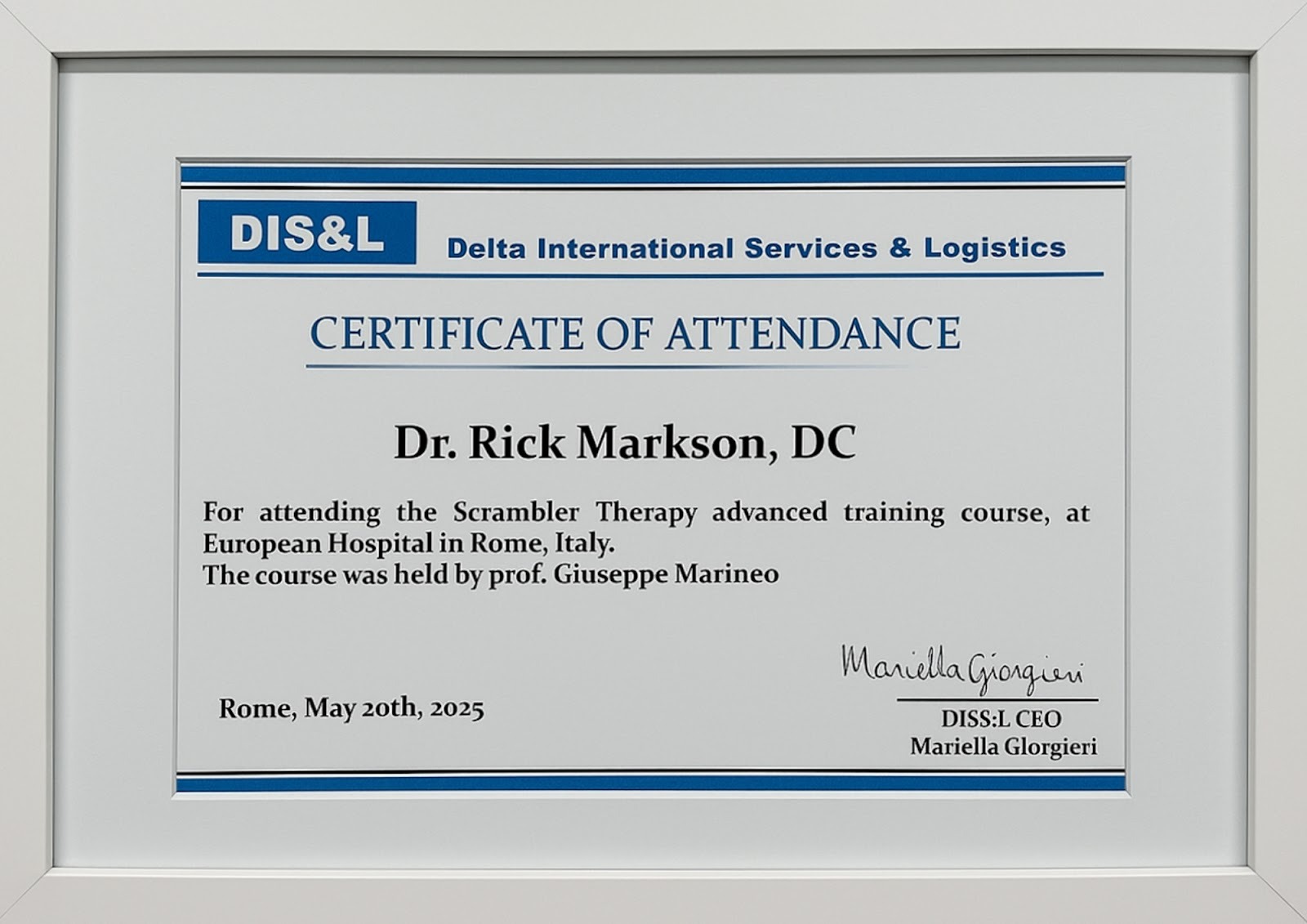
Discover South Florida Scrambler Therapy is one of the nation’s leading clinics for noninvasive chronic pain relief, offering FDA-cleared Scrambler Therapy® for adults and children. Co-founded by Dr. Rick Markson, one of the few practitioners worldwide to receive advanced certification directly from the therapy’s inventor in Rome, our clinic delivers globally recognized expertise with compassionate, personalized care. If you or a loved one is living with treatment-resistant nerve pain, we invite you to schedule a consultation and explore a life beyond pain.
📘 What is scrambler therapy?
📘 What to Expect During a Scrambler Session
📘 CRPS Pain Relief Without Drugs—Real Patient Stories
📘 Conditions that scrambler therapy can treat
Keep up to date with important news about our clinic and your medical records.



.svg)
.svg)
.svg)