How Scrambler Therapy Fits Into 2026’s Pain Management Landscape
Unlike injections or surgery, Scrambler Therapy is non-invasive, reversible, and carries minimal risk, making it an ideal first-line option for many.
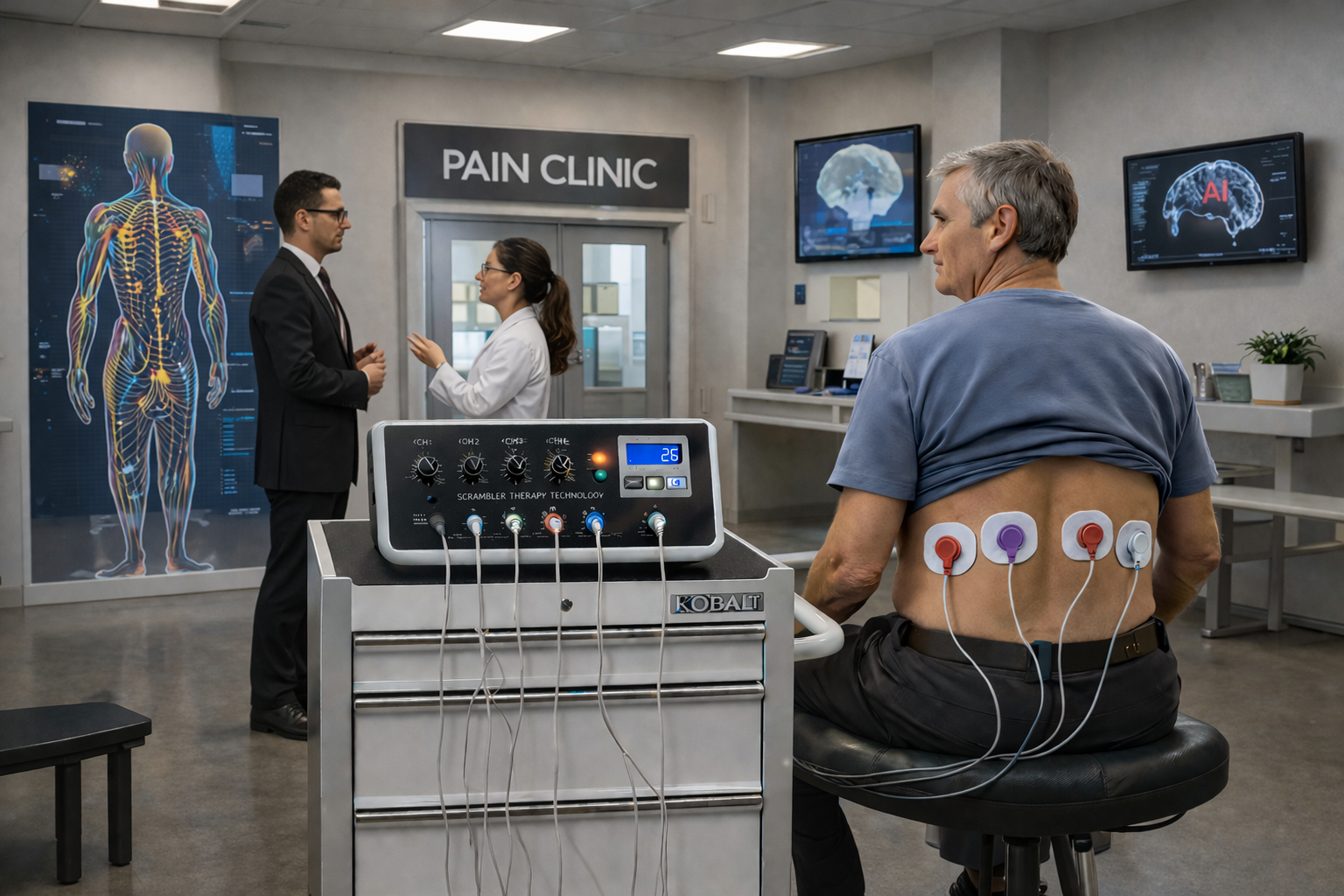
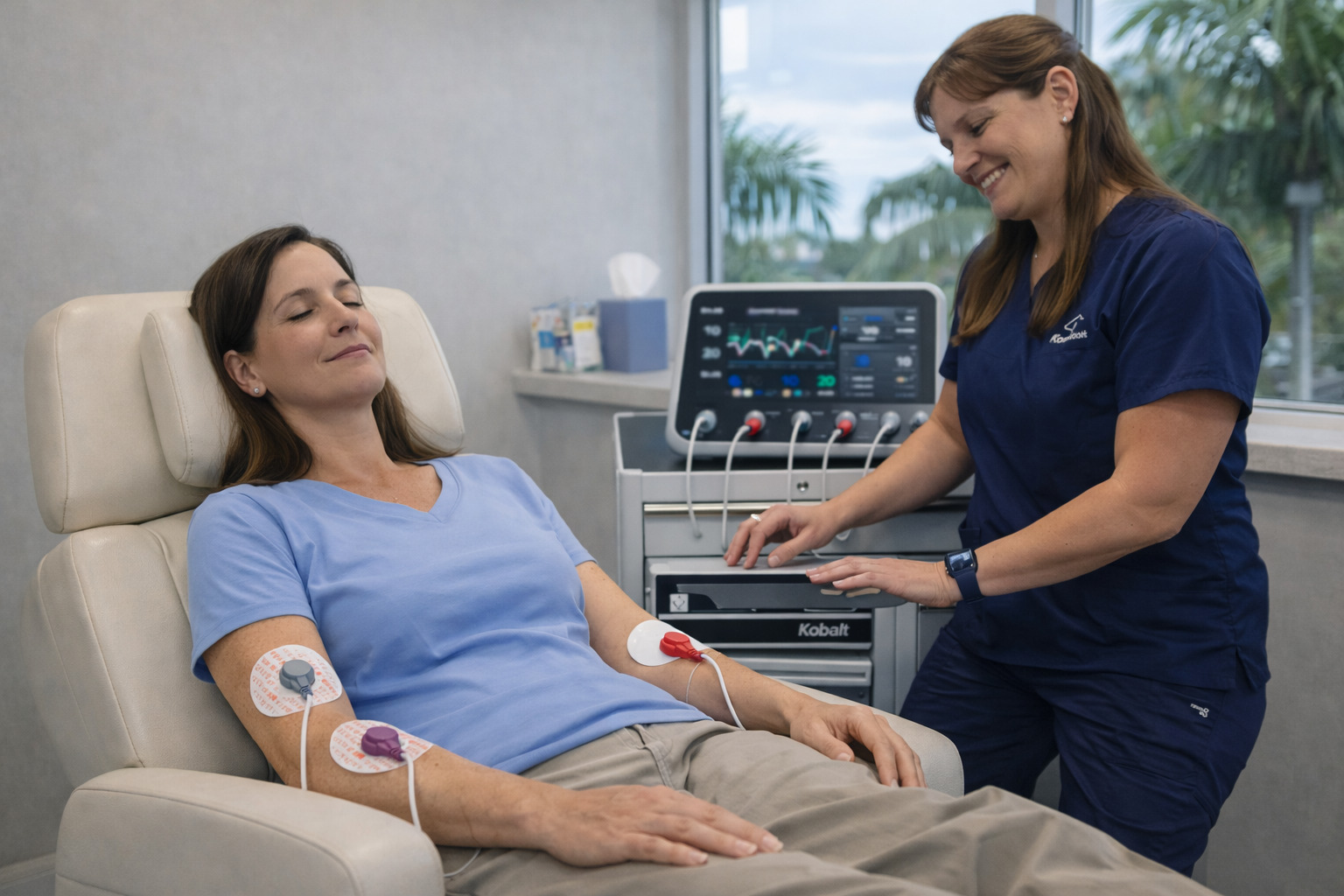
Scrambler Therapy is a non-invasive neuromodulation treatment that rewires chronic pain signals into non-pain signals using electrostimulation. It targets damaged nerve fibers—primarily C-fibers—by sending synthetic signals via surface electrodes. These signals confuse the brain's interpretation of pain, effectively "scrambling" the pain message.
Unlike TENS (Transcutaneous Electrical Nerve Stimulation), which blocks pain temporarily by numbing the area, Scrambler Therapy reprograms the pain memory at the central nervous system level. It does not numb the nerves but teaches them to transmit "normal" messages again.
Key Mechanisms of Scrambler Therapy
Component
Function
Calmare® Device
Delivers low-frequency electrical signals through electrodes
Peripheral Nerves
Conduct artificial signals to override chronic pain signals
Central Nervous System
Reinterprets the signals as non-painful
Neuroplasticity
Enables reconditioning of nerve pathways over multiple sessions
Analogy: Think of it like replacing a stuck alarm sound (pain) with relaxing music. Over time, your system adapts to the new input.
Up next: Which chronic pain conditions are most responsive to Scrambler Therapy in 2026?
Conditions Treated by Scrambler Therapy in 2026
As of 2026, Scrambler Therapy is widely used to treat various chronic pain conditions, particularly those related to nerve damage and central sensitization. These include:
1. Neuropathic Pain
Diabetic Neuropathy: Patients report reduced tingling, burning, and shooting pain after 10–12 sessions.
Chemotherapy-Induced Peripheral Neuropathy (CIPN): Offers relief without additional medication post-chemo.
2. Complex Regional Pain Syndrome (CRPS)
Targets sensory disruption and chronic burning pain.
Shown to reduce allodynia and hypersensitivity.
3. Fibromyalgia
Addresses widespread pain linked to abnormal pain processing in the CNS.
Clinical data shows significant VAS (Visual Analog Scale) reductions.
4. Post-Surgical and Sciatic Pain
Useful in cases where nerves were affected by surgery or spinal disc issues.
Common Patient-Reported Benefits
Better sleep quality
Less dependence on medication
Return to mobility and daily tasks
Grouped Benefits Table:
Condition
Symptom Relief
Treatment Response Rate
Diabetic Neuropathy
Numbness, burning, tingling
~70% improvement
CIPN
Sensory loss, cold/hot hypersensitivity
~60–80% success
Fibromyalgia
Widespread tenderness
~50–65% improvement
CRPS
Burning, stabbing pain
~55–70% relief
Coming next: What does the science say about Scrambler Therapy's effectiveness?
The Science Behind Scrambler Therapy’s Success
Clinical studies from 2021 to 2026 validate the long-term effectiveness of Scrambler Therapy in chronic pain management.
A meta-analysis of 12 randomized controlled trials published in The Journal of Pain Research (2025) found:
VAS score reduction: Average drop of 4.2 points on a 10-point scale
Pain relief duration: Lasted up to 6 months in 68% of patients
Minimal placebo effect: Due to the physical neuromodulation mechanism
Evidence-Based Comparisons:
Treatment Type
Immediate Relief
Long-Term Relief
Side Effects
Opioids
High
Low due to tolerance
High
TENS
Moderate
Short-term
Minimal
Scrambler Therapy
Moderate to High
High
Minimal to None
Efficacy Mechanism:
Neurostimulation re-trains pain perception in the CNS
No sedation or drug interactions, making it ideal for multi-therapy regimens
Now let's compare Scrambler Therapy to traditional pain treatment options.
Scrambler Therapy vs Traditional Pain Management Techniques
Scrambler Therapy offers a safer, non-invasive alternative to opioids, surgery, and NSAIDs. Unlike pharmacological options, it doesn’t create dependency or require invasive procedures.
Key Comparisons:
Pain Management Method
Invasiveness
Addiction Risk
Cost Over Time
Common Side Effects
Opioids
Low
High
High
Constipation, addiction
Surgery
High
N/A
Very High
Infection, recovery downtime
Physical Therapy
Low
None
Moderate
Muscle soreness
Scrambler Therapy
None
None
Low
Occasional skin irritation
Why Scrambler Therapy Is Gaining Ground in 2026
Insurance coverage is expanding
Used in holistic pain clinics
Preferred in opioid-alternative protocols
Next, understand what a typical session looks like and what sensations patients report.
Patient Experience: What to Expect from Scrambler Therapy
Scrambler Therapy sessions are typically painless, outpatient procedures lasting 30–45 minutes. Electrodes are placed near the pain site but not directly on it.
Treatment Process Overview:
Initial Consultation: Medical history and pain map
Electrode Placement: Adjusted to optimize signal path
Signal Calibration: Patient feels tingling or buzzing—not pain
Session Completion: No recovery time needed
Timeline and Expectations
Aspect
Detail
Number of Sessions
10–15 sessions over 2–3 weeks
Relief Onset
Some patients feel relief after 1–2 sessions
Duration of Relief
Can last from weeks to several months
Side Effects
Rare; mild redness or warmth at electrode sites
Patient-Reported Outcomes
“It felt like a warm vibration—not painful at all.”
“My pain dropped from an 8 to a 3 within a week.”
Coming up: Where can you get Scrambler Therapy in 2026?
Where to Access Scrambler Therapy in 2026
In 2026, Scrambler Therapy is FDA-cleared for chronic neuropathic pain and is available in certified pain clinics across major cities. More insurers now reimburse the therapy due to documented efficacy.
How to Find Certified Providers:
Check FDA Device Registrations: Only use verified Calmare® or equivalent machines
Use Online Clinic Finders: Search by zip code for registered pain centers
Referral Process: Get referred by a neurologist or pain specialist
Accessibility Snapshot
Region
Availability
Insurance Coverage
United States
Widely available in urban centers
Expanding under chronic care plans
Europe
Offered in Germany, Italy, UK
Covered in select countries
Asia-Pacific
Growing use in Japan, South Korea
Coverage varies
Next: What role will Scrambler Therapy play in the future of pain care?
Future Outlook: Is Scrambler Therapy the Future of Pain Management?
Scrambler Therapy is expected to be a central pillar in next-gen pain care, especially as AI and personalized medicine become standard.
Future Integrations and Innovations
AI-Guided Signal Calibration: Customized per patient’s nerve feedback
Wearable Neuromodulation Devices: In development for at-home use
Digital Pain Mapping: Allows clinicians to adapt therapy in real-time
Scrambler Therapy in 2026 and Beyond
Trend
Impact on Pain Care
Bioelectronic Medicine
Expands non-drug treatment models
AI in Healthcare
Enhances treatment precision
Multimodal Pain Clinics
Integrates Scrambler Therapy with PT, CBT, etc.
Now let’s answer some frequently asked questions based on real patient concerns.
FAQs
Is Scrambler Therapy safe and approved by the FDA?
Yes. As of 2026, Scrambler Therapy is FDA-cleared for treating chronic neuropathic pain.
How long do the effects of Scrambler Therapy last?
Relief can last several weeks to months. Some patients undergo maintenance sessions to prolong results.
Can Scrambler Therapy be used with other treatments like medication or physical therapy?
Yes. It integrates well with medication, physical therapy, and cognitive behavioral therapy.
Is Scrambler Therapy effective for arthritis or back pain?
It can be helpful if the pain has a neuropathic component. Results vary by patient.
Who should avoid Scrambler Therapy?
It’s not suitable for individuals with pacemakers, epilepsy, or severe skin conditions at electrode sites.
Experiencing Chronic Pain in South Florida?
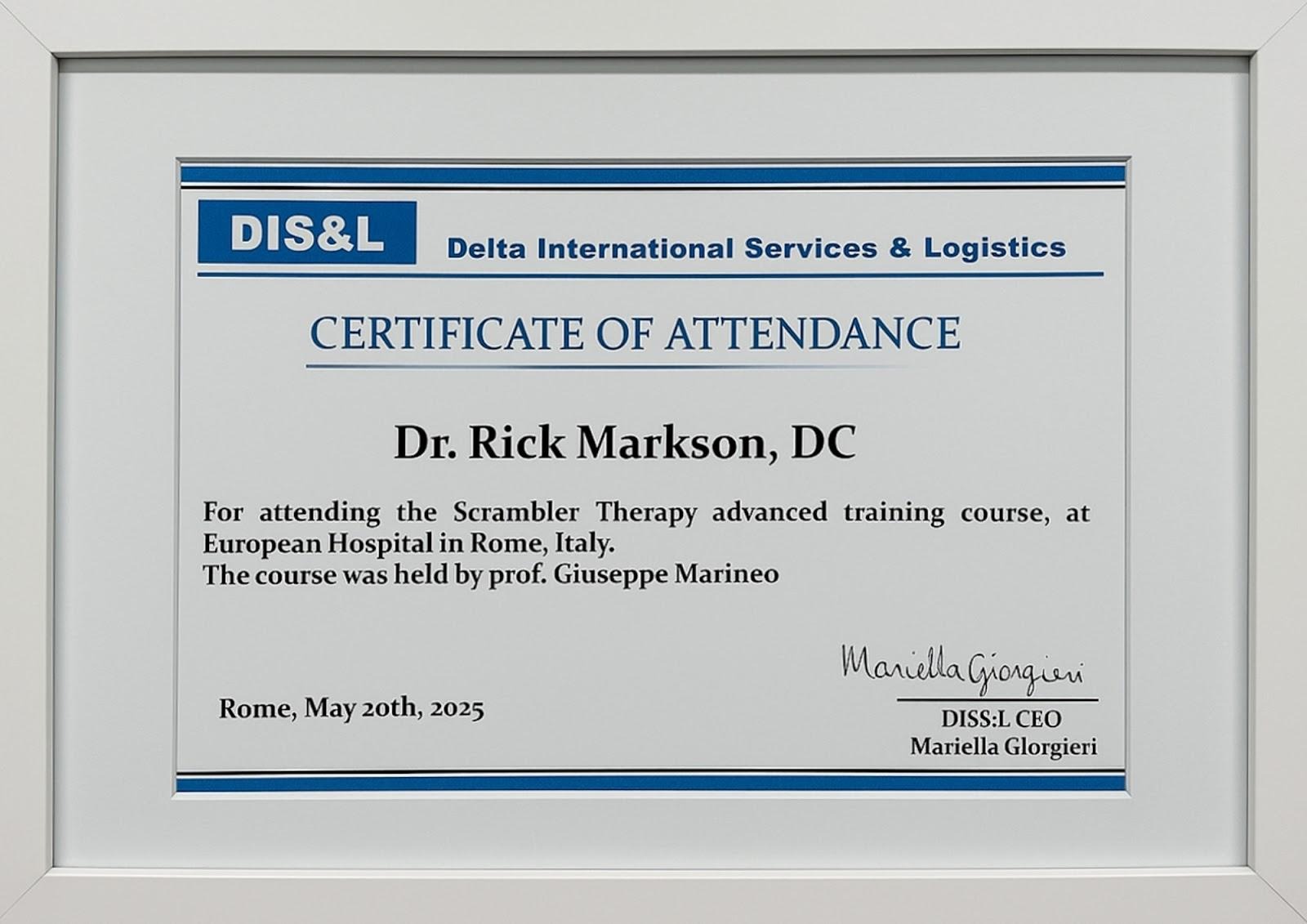
Discover South Florida Scrambler Therapy is one of the nation’s leading clinics for noninvasive chronic pain relief, offering FDA-cleared Scrambler Therapy® for adults and children. Co-founded by Dr. Rick Markson, one of the few practitioners worldwide to receive advanced certification directly from the therapy’s inventor in Rome, our clinic delivers globally recognized expertise with compassionate, personalized care. If you or a loved one is living with treatment-resistant nerve pain, we invite you to schedule a consultation and explore a life beyond pain.
.webp)



.svg)
.svg)
.svg)