.webp)

Injury-related nerve pain is caused by direct trauma to nerve fibers, either through physical impact, laceration, compression, or inflammation. This type of pain is called neuropathic pain and it behaves differently than typical muscle or joint pain.
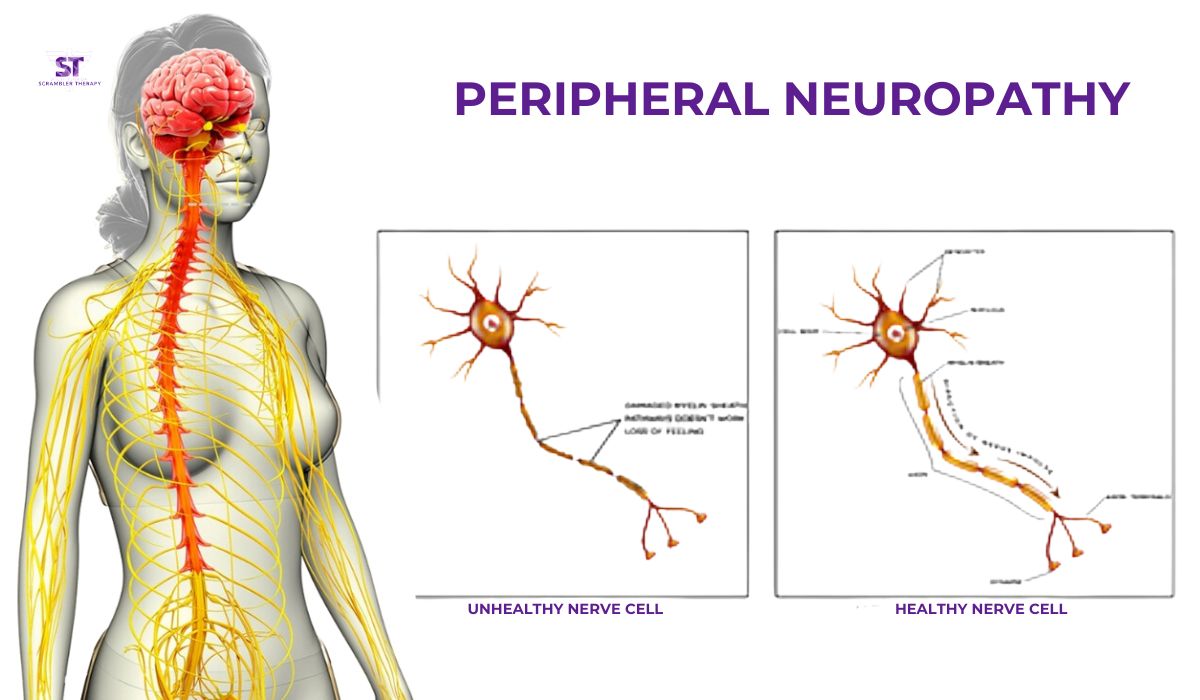
Unlike general pain, which is triggered by stimulation of nociceptors in the skin or tissues, nerve pain arises from damage within the central nervous system (CNS) or peripheral nerves. It involves disrupted pain signals, abnormal nerve endings, or deterioration of myelin sheaths, the protective coating around nerves.
Common descriptors for trauma-related nerve pain include burning, shooting, stabbing, or electric shock-like sensations.
Nerve damage often results from high-impact injuries or surgeries that disrupt nerve pathways. Post-accident nerve pain typically follows events such as:
Trauma nerve pain often appears hours or even weeks after the incident due to delayed tissue swelling or inflammation.
The main signs of nerve pain post-injury include tingling, burning, and numbness in the affected area. Unlike muscle soreness, this pain often worsens at rest or during light touch—an indication of allodynia.
If pain persists for weeks or grows worse, neuropathy may be developing. Early detection and treatment are essential to prevent chronic sensitization.
Nerve pain diagnosis combines physical exams, imaging, and electrodiagnostic testing to pinpoint damaged nerve areas and assess function.
Early and precise post-injury nerve diagnostics improve the odds of effective treatment and long-term relief.
Nerve pain treatment combines medical therapies with holistic support to interrupt abnormal pain signaling and promote nerve recovery.
Each approach supports analgesic response, synaptic rebalancing, and functional recovery depending on the severity and type of nerve injury.
Yes, lifestyle adjustments can support nerve healing and reduce flare-ups. Healthy routines promote better synaptic balance, reduce inflammation, and lower stress-induced pain signals.
Adopting these habits helps manage injury pain naturally and boosts outcomes alongside clinical treatments.
Seek medical attention if nerve pain is getting worse, affects movement, or persists beyond 2–4 weeks. These are signs of ongoing or worsening nerve damage.
Neurologists, pain clinics, or emergency care are equipped to assess and intervene early. Delayed treatment increases risk of functional loss or long-term complications.
Untreated chronic nerve pain can severely affect quality of life and cause permanent nerve dysfunction. Over time, pain can become centralized, meaning the brainstem and CNS start amplifying pain signals regardless of healing status.
Ignoring symptoms risks life disruption and significantly increases the mental and physical burden.
Alternative nerve pain treatments are increasingly effective, especially when used in combination with clinical care. They target regenerative, neural, and psychological pathways for recovery.
These regenerative treatments are ideal for patients seeking non-invasive, whole-body recovery methods.
Patient experiences provide insight into real-world recovery. Stories often reflect the emotional highs and lows of healing from nerve injury.
Such stories reinforce that although setbacks happen, lasting relief is possible with the right support and approach.
Stress, trauma, and depression heighten nerve pain through cortisol spikes, altered serotonin levels, and trauma memory activation. Managing mental health is essential for pain relief.
Mental health care is not secondary—it’s part of comprehensive nerve pain management.
Certain groups are more prone to nerve pain post-injury, due to age, activity, or occupation.
Age-based prognosis, injury demographics, and risk exposure guide personalized care plans.
Trauma compresses or tears nerves, often in the neck or spine, causing abnormal pain signals.
It can be permanent if untreated, but early intervention greatly improves outcomes.
Gabapentin, PT, nerve blocks, and regenerative therapies like stem cells or PRP are effective.
Yes, PT improves function, reduces inflammation, and relieves pressure on affected nerves.
It varies by case, but if nerve healing occurs, symptoms can resolve in weeks to months.
Sharp, burning, tingling, or electric-like pain—often worse at night or after light touch.
Some nerves regenerate slowly, but others may need surgical or medical intervention.
Muscle pain feels dull and sore, while nerve pain is sharp, tingling, and often chronic.
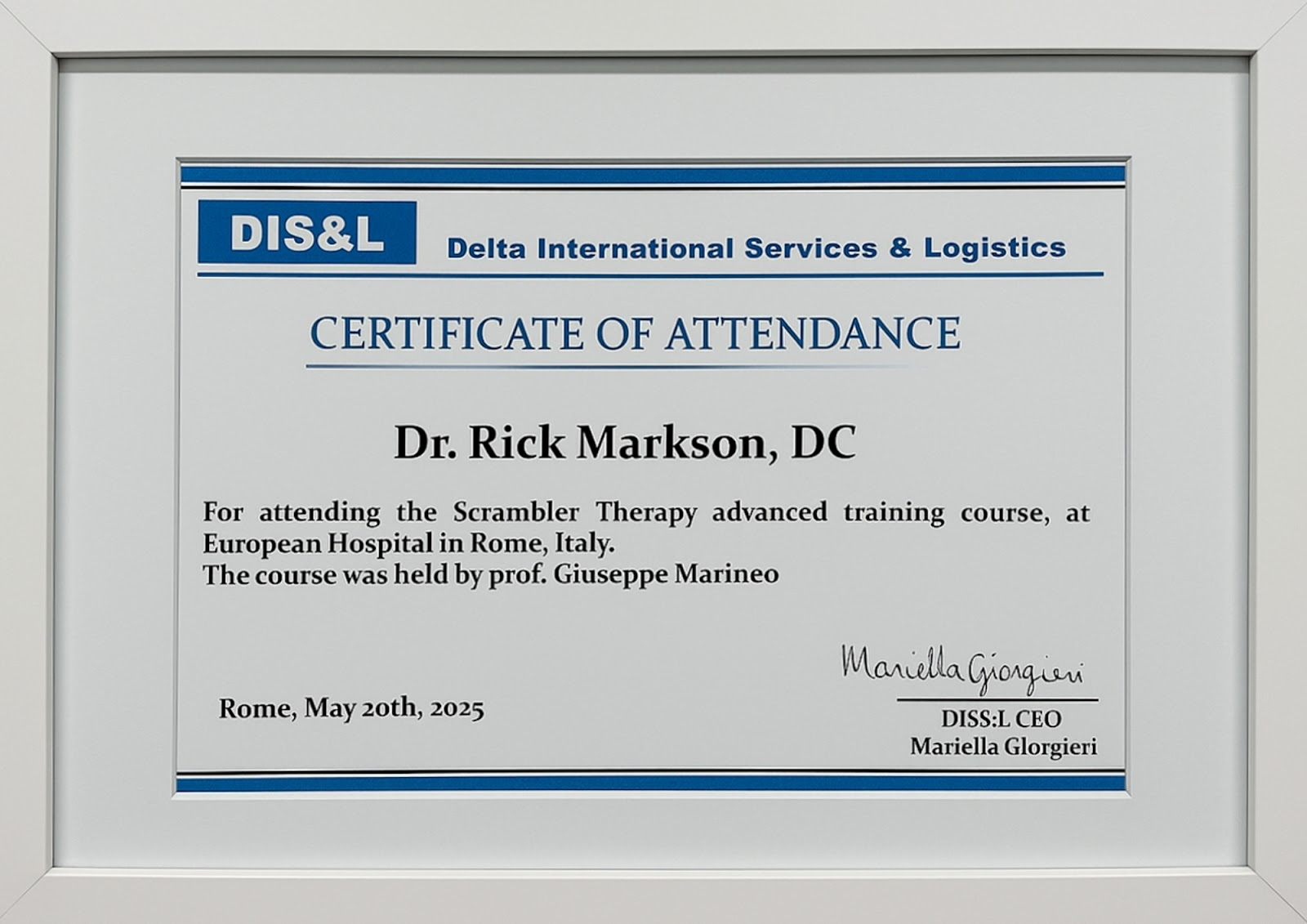
Discover South Florida Scrambler Therapy is one of the nation’s leading clinics for noninvasive chronic pain relief, offering FDA-cleared Scrambler Therapy® for adults and children. Co-founded by Dr. Rick Markson, one of the few practitioners worldwide to receive advanced certification directly from the therapy’s inventor in Rome, our clinic delivers globally recognized expertise with compassionate, personalized care. If you or a loved one is living with treatment-resistant nerve pain, we invite you to schedule a consultation and explore a life beyond pain.
📘 What is scrambler therapy?
📘 What to Expect During a Scrambler Session
📘 CRPS Pain Relief Without Drugs—Real Patient Stories
📘 Conditions that scrambler therapy can treat
Keep up to date with important news about our clinic and your medical records.



.svg)
.svg)
.svg)