.webp)

Yes, many patients continue their medications during Scrambler Therapy. But drug interactions, especially with opioids, may require monitoring or changes.
Patients managing chronic pain often ask whether they need to stop their current pain medications when starting Scrambler Therapy. This therapy is a non-invasive treatment designed to retrain nerve signals, offering pain relief without drugs. But the concern about treatment compatibility with ongoing medication use is valid—and deserves clear answers.
This article explains how Scrambler Therapy works, which medications may need adjustment, and how it fits into a comprehensive pain management plan.
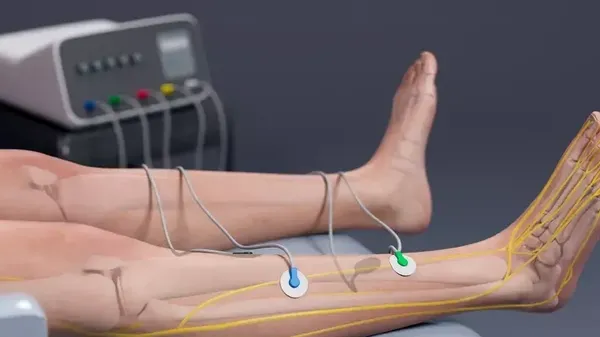
Scrambler Therapy is a non-invasive electrostimulation technique used to reprogram pain signals in people with chronic nerve pain.
Typical Candidates: Patients with neuropathy, post-surgical pain, chemotherapy-induced neuropathy, or complex regional pain syndrome (CRPS).
Session Details:
Scrambler Therapy is not a drug; it’s a neuromodulation treatment that can complement pharmacologic strategies.
Before beginning Scrambler Therapy, patients are often on various medications that manage different types of chronic pain.
These medications have varied effects on nerve pathways. Their interaction with Scrambler Therapy depends on how they influence the nervous system's receptiveness to reprogramming.
Yes, most patients can continue their current pain medications while receiving Scrambler Therapy.
However, some cases may require adjustments based on the type of drug and therapeutic goals.
Key Factors:
The safest approach involves shared decision-making between the patient and healthcare provider.
Some drugs can blunt the effects of Scrambler Therapy, especially those that alter CNS signal processing.
These medications can create receptor competition, limit signal transduction, or reduce the CNS's plasticity—all of which Scrambler Therapy relies on.
Physicians may recommend tapering these drugs to optimize the impact of the therapy.
Never adjust or stop medications on your own.
All changes during Scrambler Therapy should follow a clinically supervised tapering plan.
This process helps avoid withdrawal symptoms, pain flare-ups, and other complications.
Example:
Regular follow-ups ensure patient safety and support maximum benefit from Scrambler Therapy.
Scrambler Therapy often leads to reduced reliance on pain medications.
By retraining pain pathways, the brain learns not to interpret chronic pain signals, allowing for gradual medication tapering.
Reduction Example:
Scrambler Therapy enables a transition to non-pharmacological pain control, especially when paired with lifestyle changes.
Scrambler Therapy is safe for opioid-dependent patients, but requires a tailored plan.
Patients on long-term opioid therapy may face cross-tolerance and receptor adaptation, which can reduce Scrambler Therapy’s early effects. However, outcomes improve with strategic combination therapy.
Example Plan:
Scrambler Therapy has shown positive results in opioid-resistant patients, making it a promising option in chronic dependency cases.
These findings support evidence-based integration of Scrambler Therapy into medication plans.
Supporting Scrambler Therapy with lifestyle changes increases long-term pain relief.
These practices form a holistic pain care framework that amplifies Scrambler Therapy results.
Scrambler Therapy may be covered by insurance, but policies vary.
Pro Tip: Ask your provider for a pre-treatment cost breakdown and submit documentation for insurance approval.
The FDA has cleared Scrambler Therapy devices for neuropathic and chronic pain conditions.
Medical professionals emphasize individualized protocols, especially when combining with pharmacological treatment.
Yes, but they may reduce the therapy’s effect. Your doctor may taper them during treatment.
No. However, your provider will review medications that may need adjustment.
Mainly opioids, muscle relaxants, and CNS depressants can interfere with signal transmission.
For many, it reduces or eliminates the need for long-term medications.
Yes, but always under medical supervision to prevent withdrawal or setbacks.
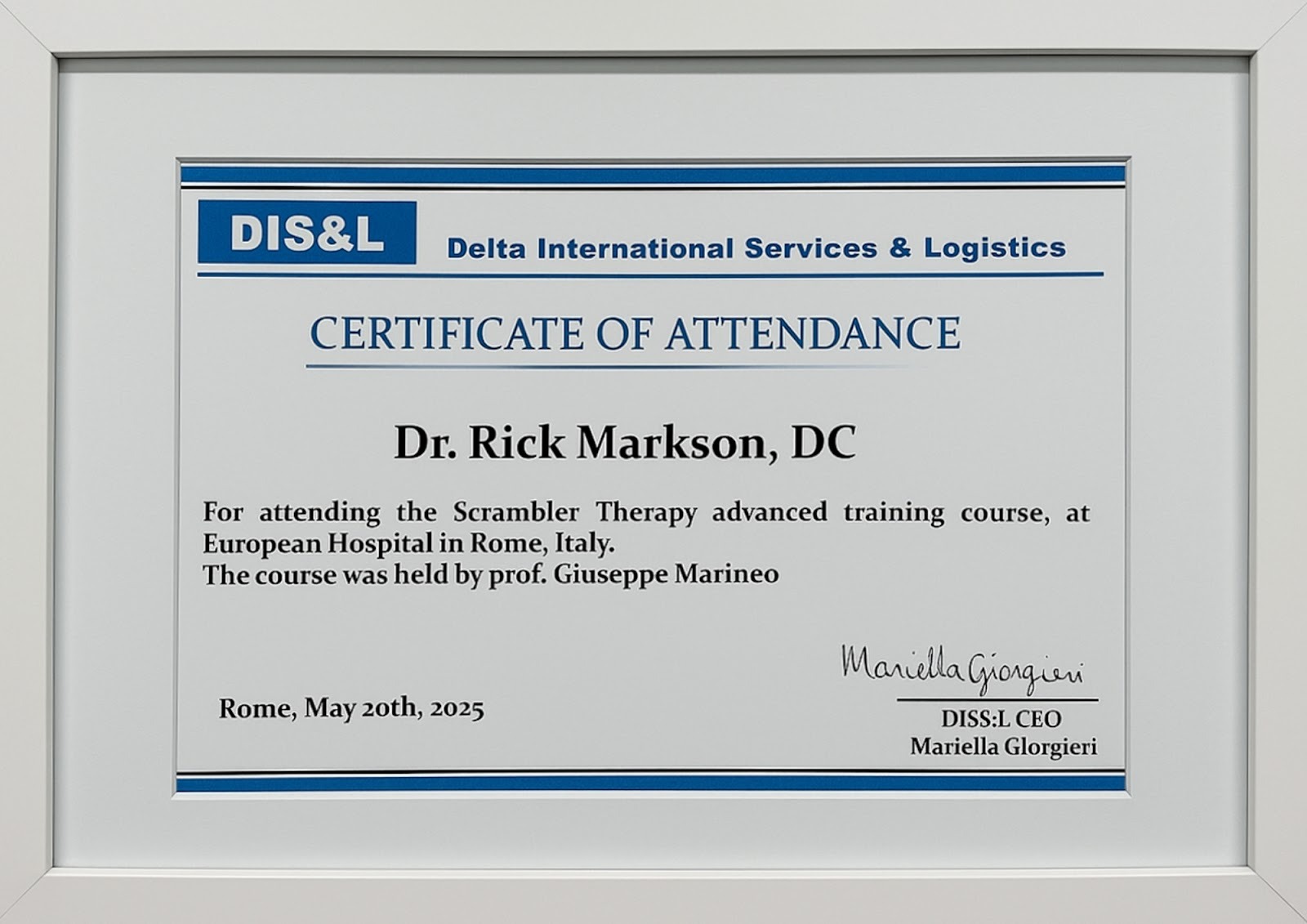
Discover South Florida Scrambler Therapy is one of the nation’s leading clinics for noninvasive chronic pain relief, offering FDA-cleared Scrambler Therapy® for adults and children. Co-founded by Dr. Rick Markson, one of the few practitioners worldwide to receive advanced certification directly from the therapy’s inventor in Rome, our clinic delivers globally recognized expertise with compassionate, personalized care. If you or a loved one is living with treatment-resistant nerve pain, we invite you to schedule a consultation and explore a life beyond pain.
📘 What is scrambler therapy?
📘 What to Expect During a Scrambler Session
📘 CRPS Pain Relief Without Drugs—Real Patient Stories
📘 Conditions that scrambler therapy can treat
Keep up to date with important news about our clinic and your medical records.



.svg)
.svg)
.svg)