Preparing the Nervous System for Scrambler Therapy: What Patients Can Do
Scrambler Therapy directly interacts with the central nervous system (CNS) to retrain the way pain is processed and perceived. It works by replacing nociceptive signals—those that carry pain messages—with non-pain, synthetic "normal" signals through the skin’s surface.
Why Scrambler Therapy Targets the CNS
The CNS interprets and regulates all pain signals from the body.
Scrambler Therapy attempts to override maladaptive pain circuits by hijacking afferent pathways and introducing modified input patterns.
These signals are delivered via surface electrodes, targeting nerve fibers involved in pain transmission.
How Rewiring Nerve Signals Reduces Pain
The therapy encourages neuroplasticity, which is the brain’s ability to form new neural connections.
Through spinal modulation and sensory integration, abnormal pain loops are interrupted.
With repeated sessions, the somatosensory cortex begins to interpret pain differently—often reducing or eliminating it.
Baseline Conditions That Support Therapy
A successful therapy outcome depends on neurophysiological readiness. Key factors include:
Baseline Factor
Ideal State for Scrambler Therapy
CNS inflammation
Low levels of neuroinflammation
Pain chronicity
Stable, identifiable pain condition
Afferent nerve function
Intact and responsive nerve fibers
Sensory pathways
Capable of relaying clear signals
Next, we’ll cover how optimizing the nervous system before starting therapy increases effectiveness.
Why Preparing the Nervous System for Scrambler Therapy Matters
Prepping the nervous system improves Scrambler Therapy responsiveness. Without preparation, neural receptivity may be diminished, resulting in weaker or delayed outcomes.
Common Causes of Suboptimal Results
Chronic sympathetic dominance reduces the body's adaptability.
Poor CNS readiness prevents proper integration of therapeutic signals.
Building a Neuro-Friendly Environment
To enhance responsiveness:
Reduce nerve desensitization by minimizing chronic stress.
Support homeostasis through sleep, nutrition, and hydration.
Stabilize the vagus nerve to regulate neural feedback.
How to Optimize Nervous System Responsiveness
Use these strategies:
Balance the autonomic nervous system via relaxation and breathing practices.
Minimize signal interference from overstimulated neural pathways.
Engage in adaptive plasticity training like movement and mindfulness.
In the next section, we’ll explore daily lifestyle habits that prime your nervous system for success.
Lifestyle Factors That Support Nervous System Readiness
Everyday habits have a direct impact on nervous system performance. A well-balanced lifestyle helps prepare your body for effective neuromodulation during Scrambler Therapy.
Anti-Inflammatory Nutrition
A diet that calms inflammation also reduces neural noise:
Omega-3 fatty acids (salmon, flaxseed) support nerve membrane fluidity.
Polyphenols (berries, green tea) reduce neuroinflammatory markers.
Magnesium-rich foods (leafy greens, nuts) support neurotransmitter regulation.
The Role of Sleep in Nerve Repair
Quality sleep is essential for synaptic recovery and adrenal regulation:
Factor
Impact on Nervous System
Melatonin production
Regulates circadian rhythm
Deep sleep stages
Facilitates nerve regeneration
Sleep hygiene
Reduces cortisol levels
Hydration and Electrochemical Balance
Nerve cells rely on electrolyte balance to transmit signals:
Next, we’ll identify signs of nervous system dysregulation to catch before starting therapy.
Nervous System Dysregulation: Signs to Address Before Therapy
Therapy success drops when the nervous system is unstable or overstimulated. Recognizing early warning signs helps prevent poor outcomes.
Symptoms of Dysregulated Nervous System
Hypersensitivity to light, noise, or touch
Restless sleep or frequent waking
Chronic stress symptoms like irritability or brain fog
Pain amplification in response to minor stimuli
Conditions That May Require Stabilization
Condition
Relevance to Scrambler Therapy
Dysautonomia
Causes erratic nerve activity
Adrenal fatigue
Alters HPA axis regulation
Sympathetic dominance
Prevents parasympathetic engagement
In cases of overactivation, therapy may need to be delayed or adjusted.
The next section outlines supportive therapies that improve neural stability.
Integrative Modalities That Support Nervous System Prep
Integrative therapies can complement Scrambler Therapy by preparing the nervous system through gentle, non-invasive means.
Evidence-Based Approaches That Improve Readiness
Acupuncture modulates sensory regulation and calms overactive nerves.
Yoga Nidra and meditation improve vagal tone and reduce sympathetic arousal.
Craniosacral therapy promotes neural entrainment through subtle touch.
Gentle physical therapy aids sensory integration without increasing pain.
How These Modalities Reduce Nerve Overload
Improve autonomic balance
Facilitate neuroplasticity
Decrease stress-induced overactivation
These methods support the body in becoming more receptive to neuromodulation without overwhelming it.
Now, we’ll answer common questions patients have about preparing for Scrambler Therapy.
FAQs on Preparing the Nervous System for Scrambler Therapy
Can I Prepare My Nervous System at Home?
Yes. You can use diet, hydration, breathwork, and sleep hygiene to prep your CNS for therapy at home.
What If I Feel Worse After Starting Therapy?
Mild increases in symptoms can reflect nerve adaptation or fatigue. Track symptoms and report to your clinician for adjustments.
How Long Should I Prepare Before Starting?
Begin nervous system prep 7–14 days before therapy. This improves CNS stability and signal receptivity during sessions.
Do I Need Supplements or Medications?
Not always. Focus on natural regulation first. Some patients benefit from magnesium, omega-3s, or adaptogens, but only under clinical guidance.
What Should I Do on Therapy Days?
Eat a light, anti-inflammatory meal.
Hydrate well.
Avoid stimulants like caffeine.
Practice relaxation exercises 15–30 minutes before the session.
Experiencing Chronic Pain in South Florida?
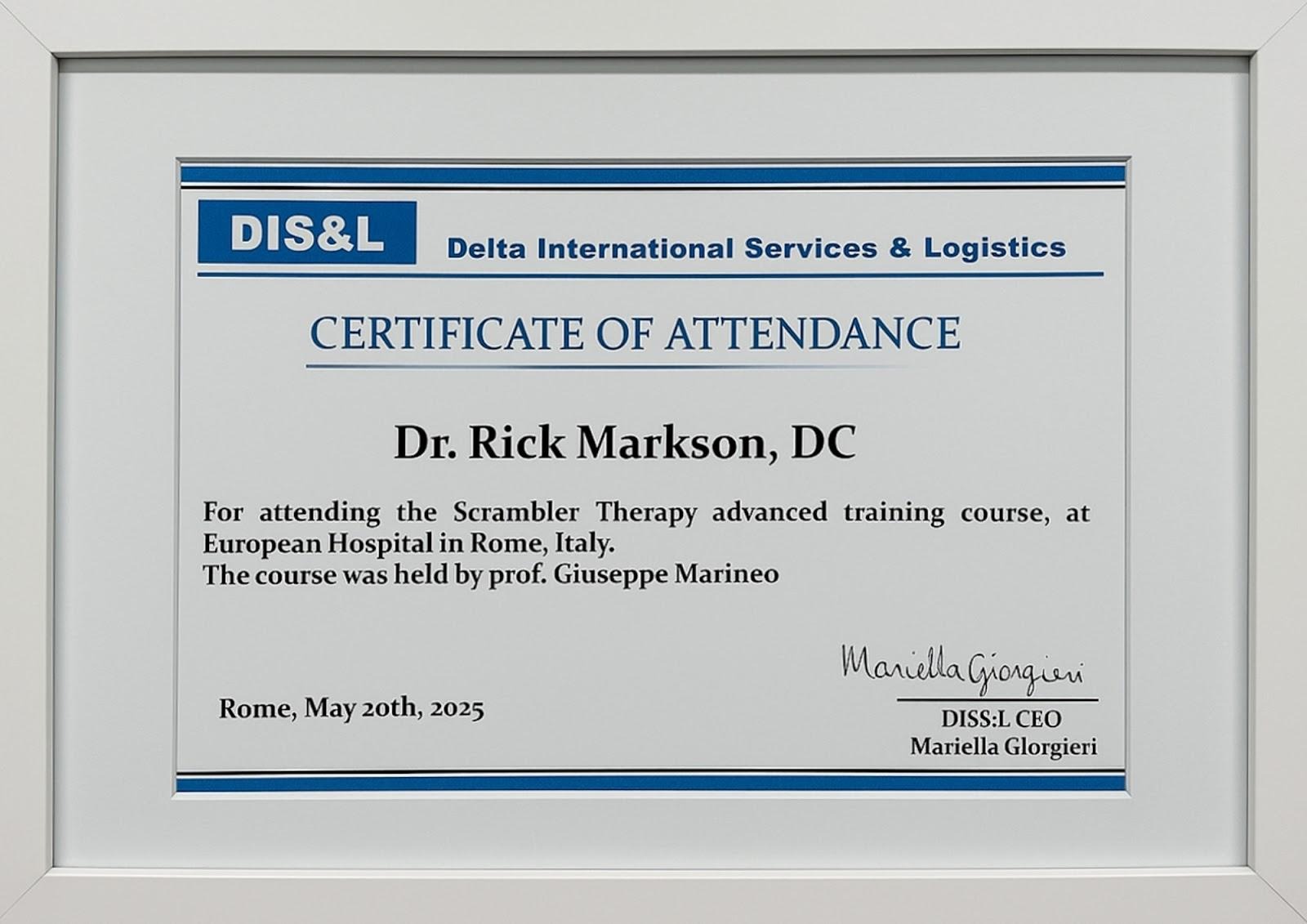
Discover South Florida Scrambler Therapy is one of the nation’s leading clinics for noninvasive chronic pain relief, offering FDA-cleared Scrambler Therapy® for adults and children. Co-founded by Dr. Rick Markson, one of the few practitioners worldwide to receive advanced certification directly from the therapy’s inventor in Rome, our clinic delivers globally recognized expertise with compassionate, personalized care. If you or a loved one is living with treatment-resistant nerve pain, we invite you to schedule a consultation and explore a life beyond pain.
.webp)





.svg)
.svg)
.svg)