.webp)

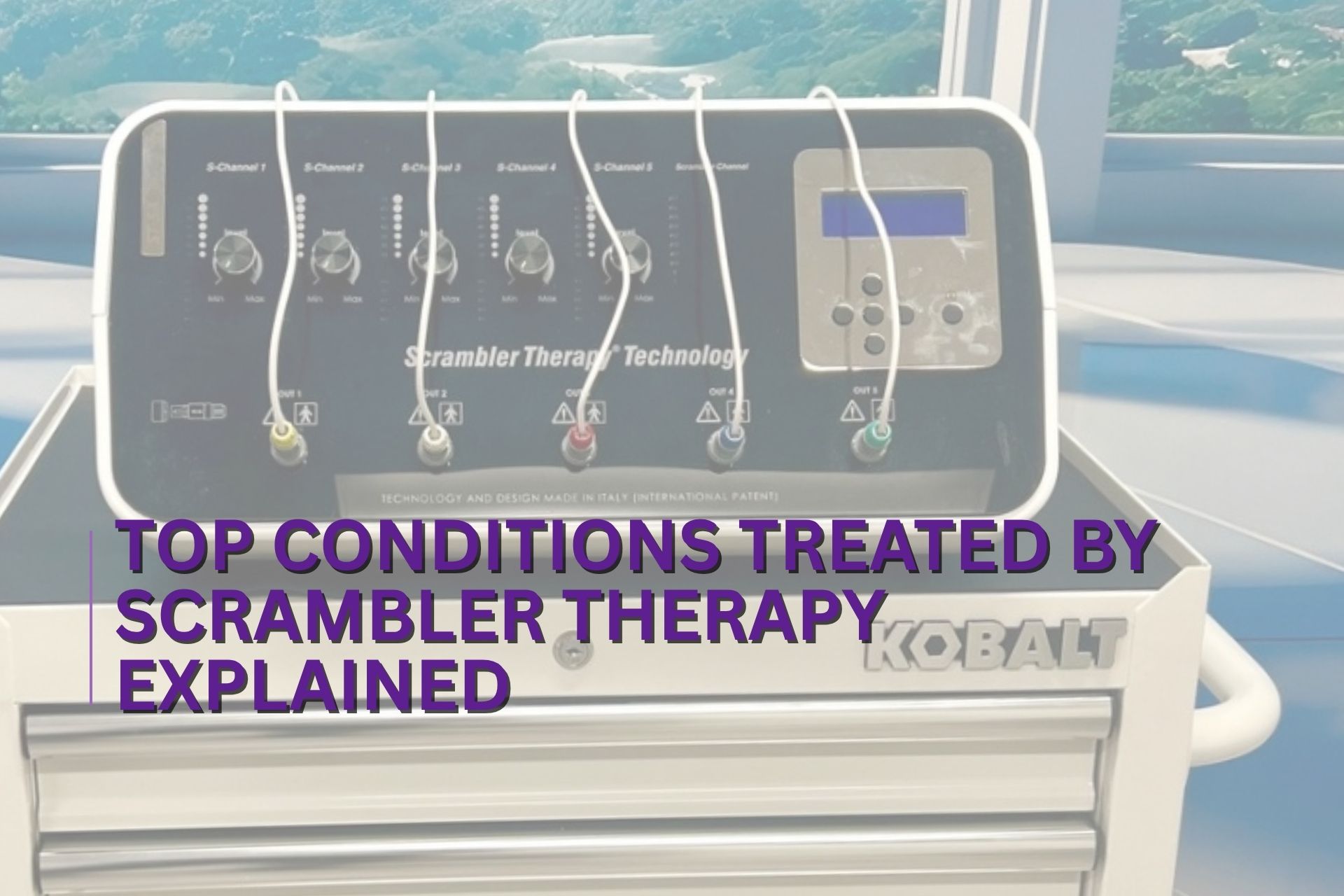
Scrambler therapy is a non-invasive pain treatment that retrains how the brain interprets nerve signals. It uses the Calmare device, which sends electrical impulses through electrodes placed on the skin. These impulses mimic healthy nerve signals, disrupting chronic pain messages.
The therapy relies on neuroplasticity—the brain’s ability to rewire itself. By stimulating affected dermatomes, scrambler therapy replaces false pain messages with normal sensations like light touch or warmth. This process is called sensory reprogramming.
Conditions treated include:
Scrambler therapy offers an alternative to surgery by modulating pain without tissue damage, anesthesia, or long recovery.
Surgical approaches to pain management include spinal fusion, nerve ablation, disc replacement, and spinal cord stimulators. These aim to physically alter pain pathways or stabilize damaged structures.
Risks of pain surgeries include:
While surgery can be lifesaving in certain cases, invasive pain relief often comes with high risks, longer recovery, and greater costs. Many patients look for surgery alternatives when pain is the only indication.
Patients comparing therapy vs. surgery for nerve pain often find that scrambler therapy offers faster relief, fewer complications, and lower financial burden.
Scrambler therapy is ideal for patients with chronic neuropathic pain who want a non-invasive pain option. It suits those who are:
Patients should avoid surgery for pain alone when scrambler therapy offers effective, low-risk relief.
Clinical studies show scrambler therapy reduces pain scores by up to 70% on standard scales. Many patients report long-term remission lasting months or years.
Examples:
By contrast, surgical recovery stories often include setbacks, complications, or persistent pain. Studies reveal that 30–40% of spinal surgeries fail to eliminate pain completely.
Scrambler therapy cost varies by clinic but usually involves 10–12 treatment sessions, with modest out-of-pocket fees. Some insurance providers cover part of the cost under non-surgical pain management.
In contrast, surgery expenses for pain include:
Cost comparison: Scrambler therapy often proves more cost-efficient long term, especially when factoring in quicker recovery and fewer complications.
Yes. It is FDA-cleared, non-invasive, and has a strong safety record.
In many cases, yes. It is an effective alternative for nerve-related pain but may not replace surgery for structural damage.
Not always. Surgery carries higher risks and uncertain long-term outcomes, while scrambler therapy shows consistent efficacy in neuropathic pain.
Relief may last months to years, with booster sessions available if pain returns.
Pain originates from nociceptors in tissues, which send signals through C-fibers and nerve pathways to the spinal cord and brain. Chronic pain often results from a faulty brain feedback loop, where the body perceives pain even without tissue damage.
Scrambler therapy interrupts this loop by sending synthetic “no pain” signals to the sensory cortex. This pain signal interruption reprograms the nervous system, restoring normal communication and reducing false alarms.
Unlike TENS devices, scrambler therapy does not block signals temporarily—it retrains the nervous system for lasting results.
Scrambler therapy is gaining global recognition as a next-gen pain treatment. Research continues into new indications, including fibromyalgia, phantom limb pain, and migraine management.
Future directions include:
The future of scrambler therapy points toward wider adoption in hospitals, pain clinics, and integrative care models.
Surgery often brings decision anxiety, fear of complications, and post-treatment depression if outcomes disappoint. Patients face mental stress from hospital stays and prolonged recovery.
Scrambler therapy, in contrast, offers recovery optimism. Non-invasive treatment reduces anxiety, gives patients a sense of control, and supports a more positive patient mindset.
The psychological burden of surgery should not be underestimated, especially when non-invasive alternatives exist.
After scrambler therapy:
After surgery:
When comparing healing timeframes, scrambler therapy provides faster return to function and better quality of life.
Medical ethics require doctors to recommend treatments that balance patient rights, safety, and informed consent. Recommending surgery when non-invasive options like scrambler therapy exist raises ethical concerns about overuse and financial incentives.
Ethical practice encourages:
Overprescription of surgery can undermine trust, while recommending scrambler therapy first aligns with ethical guidelines for responsible pain management.
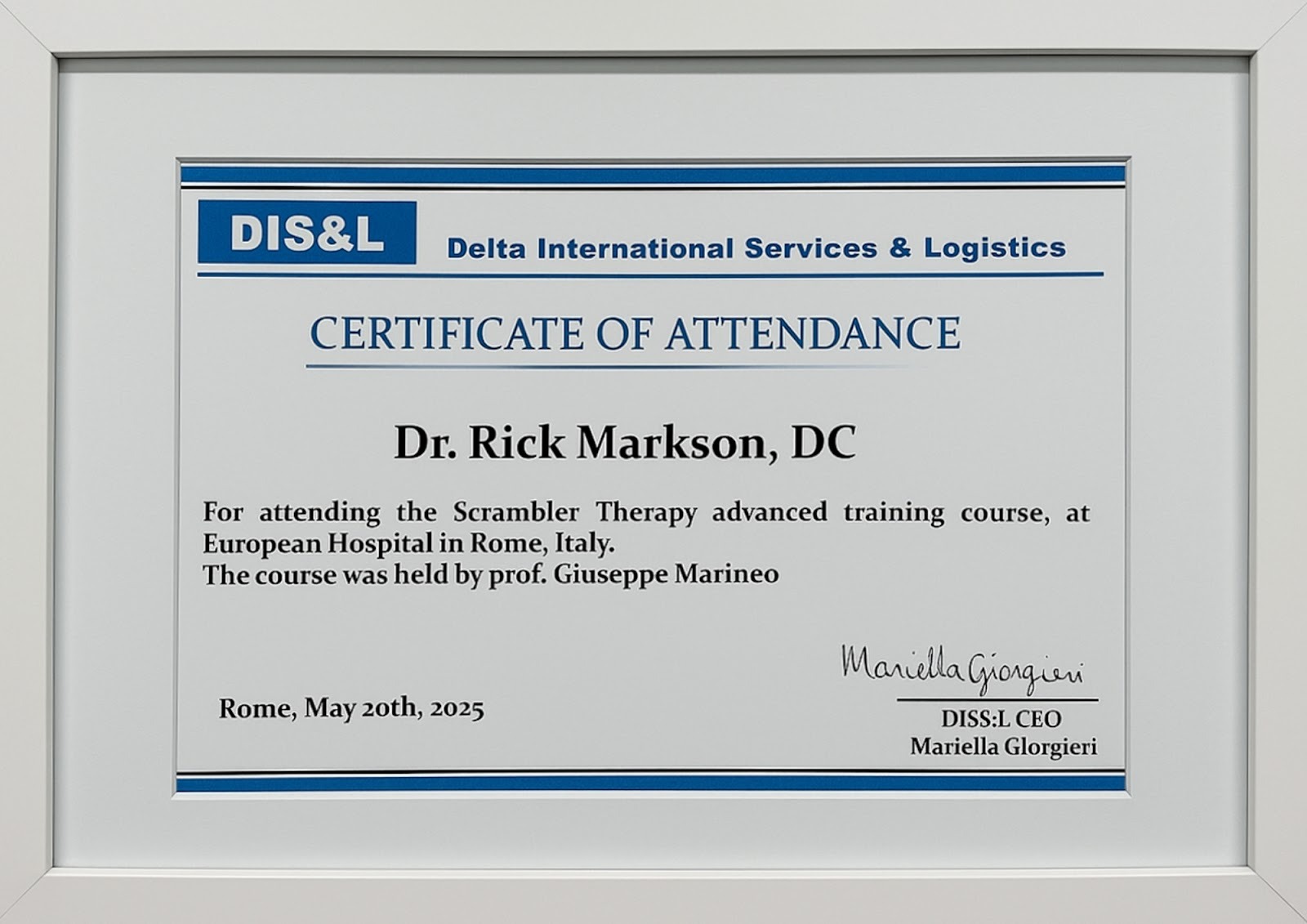
Discover South Florida Scrambler Therapy is one of the nation’s leading clinics for noninvasive chronic pain relief, offering FDA-cleared Scrambler Therapy® for adults and children. Co-founded by Dr. Rick Markson, one of the few practitioners worldwide to receive advanced certification directly from the therapy’s inventor in Rome, our clinic delivers globally recognized expertise with compassionate, personalized care. If you or a loved one is living with treatment-resistant nerve pain, we invite you to schedule a consultation and explore a life beyond pain.
📘 What is scrambler therapy?
📘 What to Expect During a Scrambler Session
📘 CRPS Pain Relief Without Drugs—Real Patient Stories
📘 Conditions that scrambler therapy can treat
Keep up to date with important news about our clinic and your medical records.


.svg)
.svg)
.svg)