.webp)
Scrambler Therapy is a non-invasive neuro-modulation treatment for chronic pain. It works by replacing pain signals with synthetic "non-pain" signals using electrical stimulation on the skin’s surface.
Unlike TENS (Transcutaneous Electrical Nerve Stimulation), which blocks pain signals temporarily, Scrambler Therapy reprograms the way the nervous system interprets pain. While spinal cord stimulation targets the spinal column directly, Scrambler Therapy interfaces with peripheral nerves and dermatomes, making it safer and FDA-cleared for a wider range of chronic pain conditions.
Scrambler Therapy achieves pain relief by delivering electrical pulses that mimic normal nerve impulses. These pulses "scramble" the pain signals sent to the brain, leading to a phenomenon known as pain reprogramming.
The next section explains why correct electrode placement is central to this mechanism.
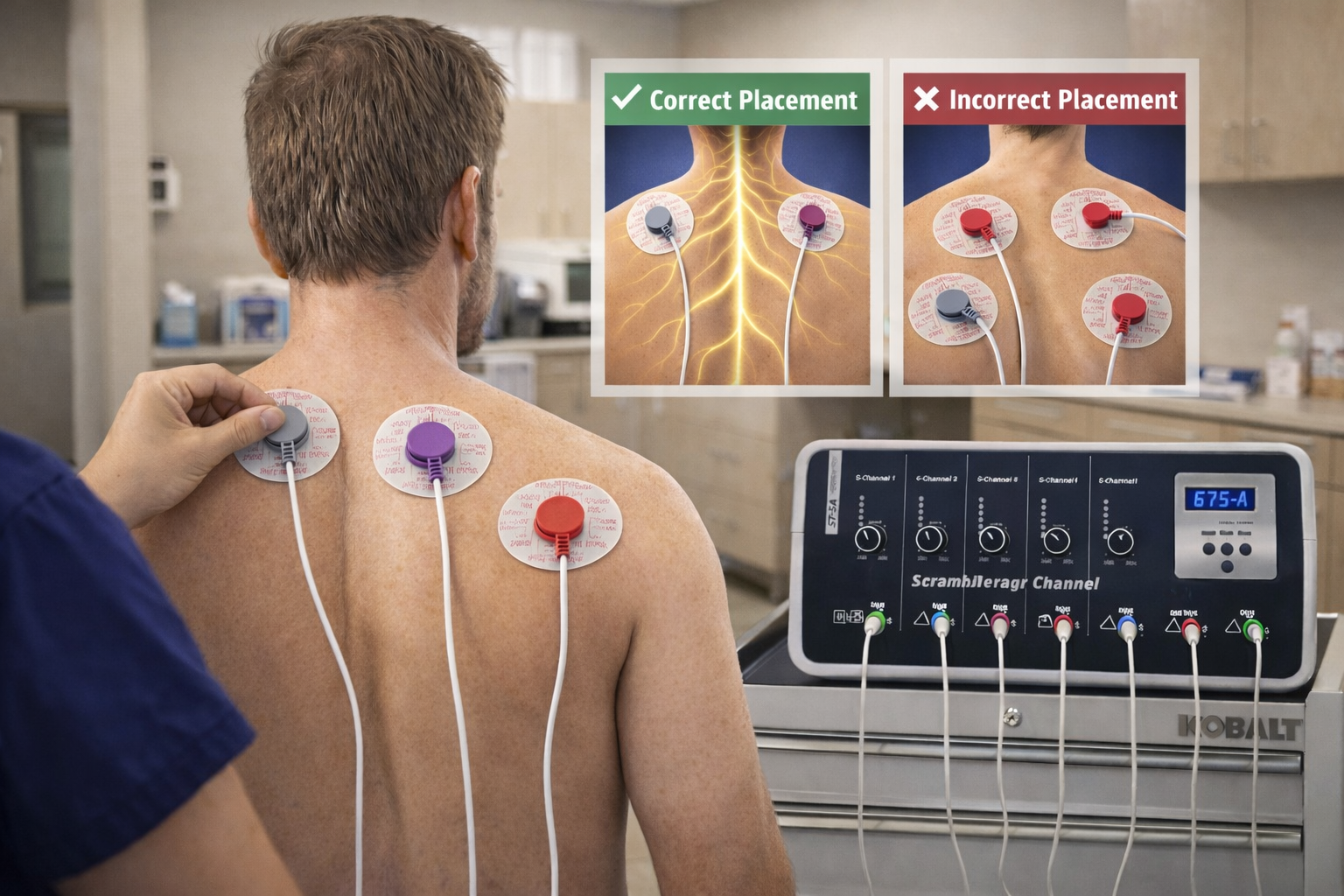
Electrode placement determines the fidelity and accuracy of signal transmission. If electrodes aren't placed near the correct dermatomes or along relevant nerve paths, the artificial "non-pain" signals won’t effectively replace the pain input.
Success with Scrambler Therapy heavily depends on treatment fidelity. A misaligned electrode disrupts communication between peripheral nerves and the CNS, reducing therapeutic response.
Next, we’ll look into the science behind this nerve-pain connection and why exact positioning affects outcomes.
Pain signal reprogramming depends on accurate targeting of affected nerve pathways. Electrode zones must align with the dermatomes corresponding to the patient’s pain area.
Example: A patient with lower back pain might require electrode mapping across L3 to S1 dermatomes. Placing electrodes just 5 cm off-target may cause no therapeutic effect, despite correct machine settings.
Up next: how clinicians ensure accuracy using evidence-based electrode mapping protocols.
Clinicians use structured protocols to ensure accurate electrode alignment. The training involves anatomical mapping, patient-reported symptoms, and real-time feedback during therapy.
Clinician-guided Scrambler Therapy increases treatment success rates by up to 75%, according to studies on therapy protocol adherence.
In the next section, we’ll explore what goes wrong when electrode placement is incorrect.
Misplaced electrodes are the most common reason Scrambler Therapy doesn’t work.
A study in Pain Physician Journal found that incorrect electrode positioning accounted for 30–40% of therapy failures in Scrambler Therapy patients.
In the next part, we’ll cover how personalized placement dramatically improves results.
Personalization turns a standard Scrambler Therapy session into a patient-specific neural reprogramming treatment.
Example: Patients reporting pain relief during stimulation often undergo electrode tuning mid-session to refine the signal delivery. This is known as iterative mapping.
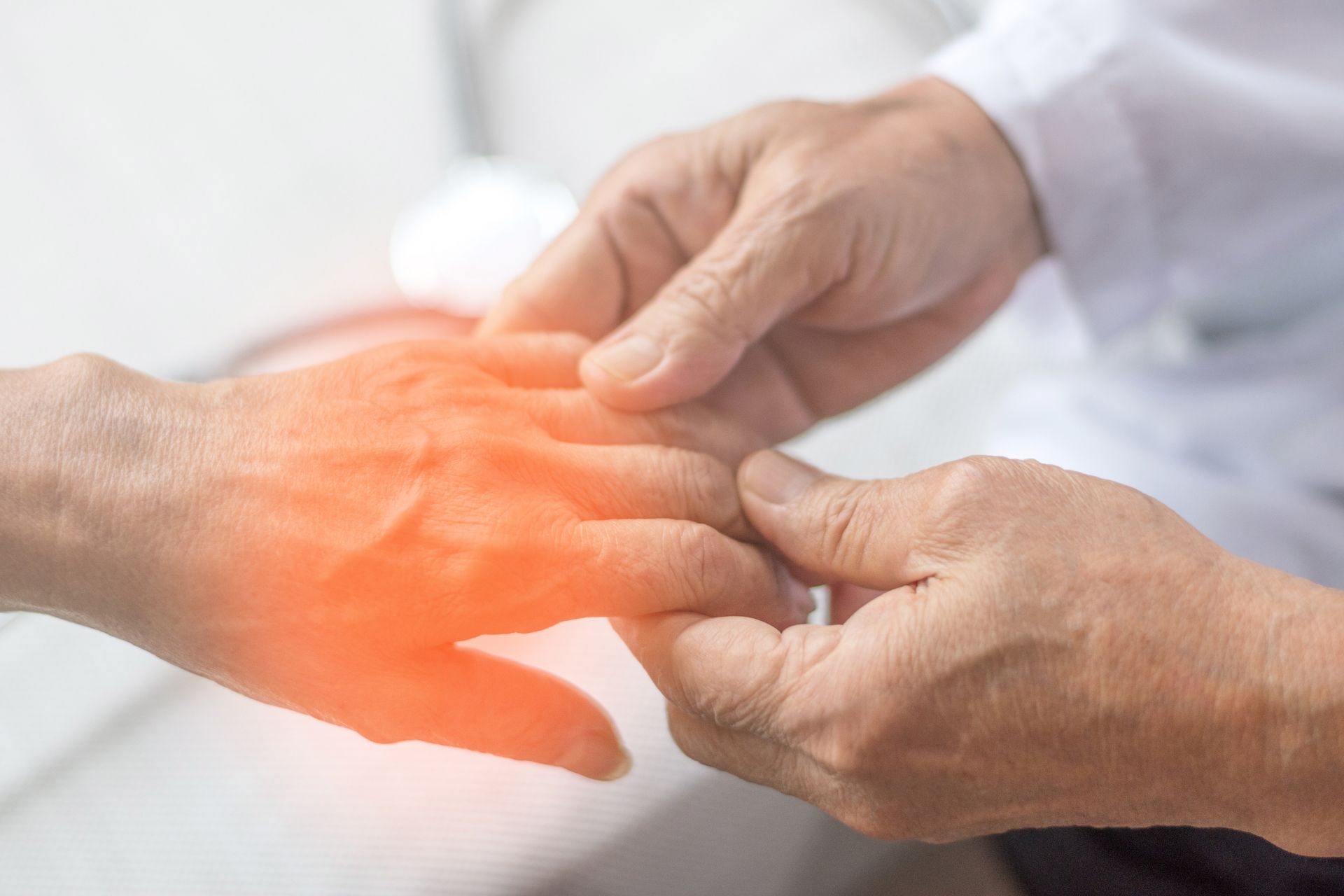
Adaptive Scrambler Therapy is especially useful for complex pain cases involving mixed nerve origins, such as diabetic neuropathy or chemotherapy-induced peripheral neuropathy.
Let’s now address the most common questions patients ask about electrode placement.
Correct electrode placement ensures that the pain-modulating signals reach the right nerves. Without it, signal replacement cannot occur, making therapy ineffective.
Yes. Misplacement leads to non-therapeutic zones being stimulated, resulting in poor or no pain relief. This often causes therapy dropout or mislabeling the treatment as unsuccessful.
No. Each patient has unique nerve pathways and pain zones. Placement must be customized based on individual pain mapping, symptoms, and physical anatomy.
Clinicians use dermatome charts, patient feedback, physical assessment, and stimulation response tests to determine the most effective electrode zones.
Yes. Electrode location can be adjusted during sessions based on patient responses. This dynamic repositioning improves outcomes through real-time optimization.
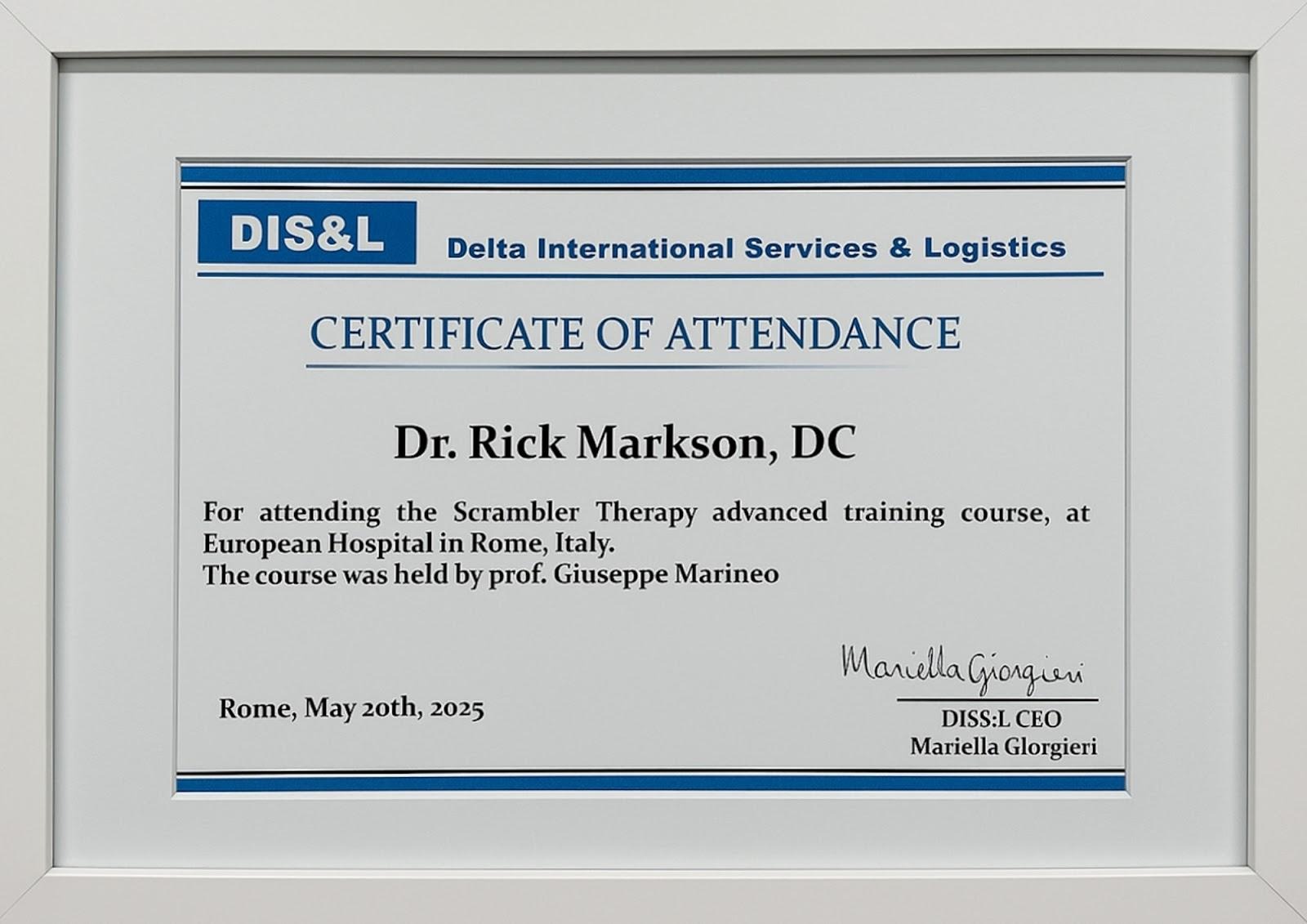
Discover South Florida Scrambler Therapy is one of the nation’s leading clinics for noninvasive chronic pain relief, offering FDA-cleared Scrambler Therapy® for adults and children. Co-founded by Dr. Rick Markson, one of the few practitioners worldwide to receive advanced certification directly from the therapy’s inventor in Rome, our clinic delivers globally recognized expertise with compassionate, personalized care. If you or a loved one is living with treatment-resistant nerve pain, we invite you to schedule a consultation and explore a life beyond pain.
📘 What is scrambler therapy?
📘 What to Expect During a Scrambler Session
📘 CRPS Pain Relief Without Drugs—Real Patient Stories
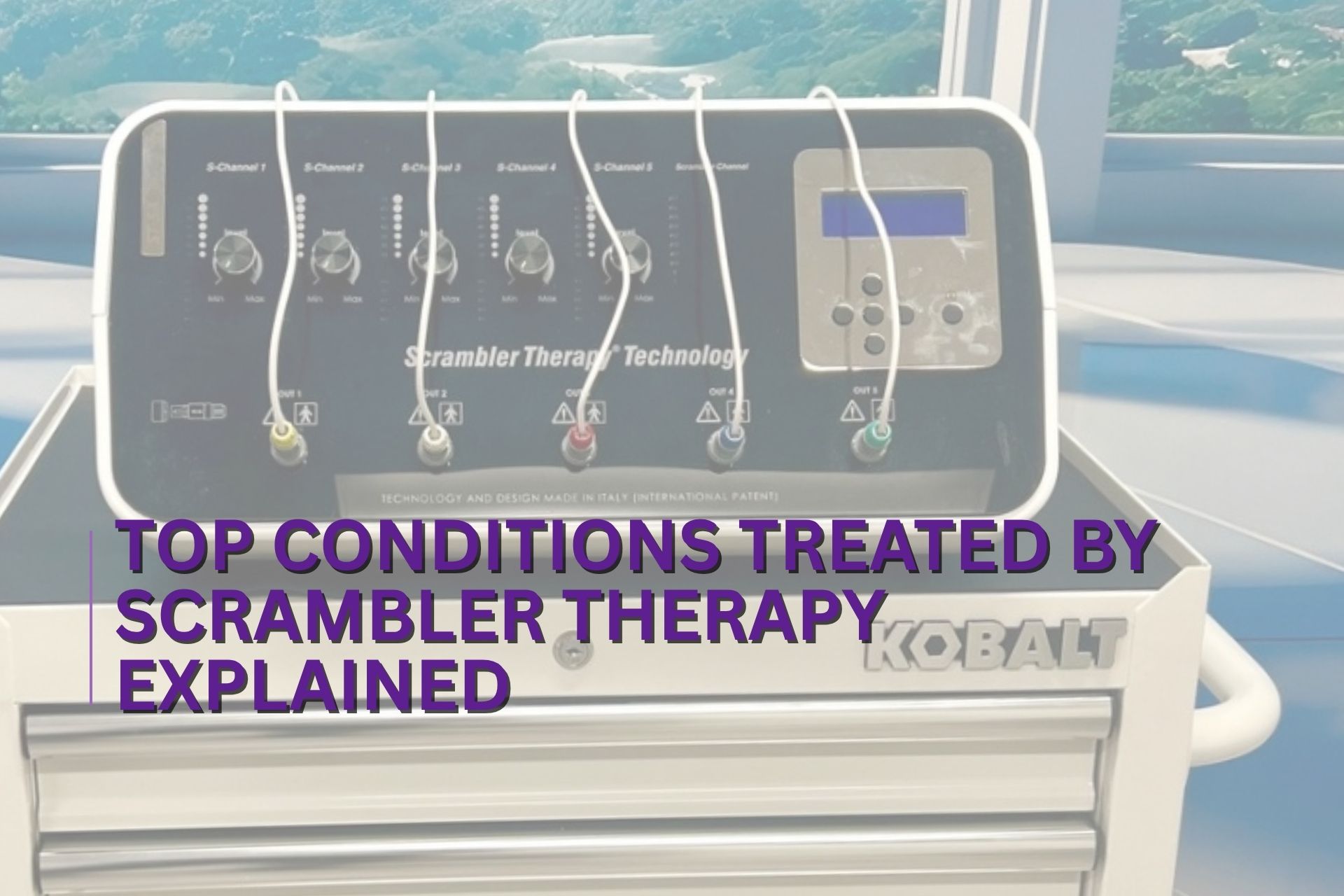
📘 Conditions that scrambler therapy can treat
Keep up to date with important news about our clinic and your medical records.



.svg)
.svg)
.svg)