Chronic Neck, Arm, and Shoulder Nerve Pain with Scrambler Therapy
Chronic neck, arm, and shoulder nerve pain is long-term pain originating from irritated or damaged nerves in the cervical spine or peripheral nerves. This pain often lasts over 3 months and doesn't resolve on its own.
How Is Nerve Pain Different from Muscle or Joint Pain?
Unlike muscle or joint pain, which feels achy or stiff, nerve pain feels sharp, burning, or electric. It typically follows a nerve pathway and is triggered by nerve dysfunction, not tissue inflammation.
Common Symptoms of Nerve-Related Pain
Patients with chronic nerve pain often describe:
Burning or electric shock-like pain
Tingling, pins and needles, or numbness
Pain that radiates from the neck to the shoulder, arm, and hand
Muscle weakness or hypersensitivity to touch
Disrupted sleep and functional limitations
Why Does This Pain Become Chronic?
Chronicity sets in when damaged nerves continue sending pain signals even after the initial injury heals. This creates a maladaptive loop in the nervous system, making pain harder to treat.
Impact on Daily Life
Chronic nerve pain in these regions affects:
Mobility and motor control
Sleep quality
Emotional well-being (often linked to depression and anxiety)
Work capacity and daily independence
Why Standard Pain Management Often Fails
Conventional treatments—like NSAIDs, opioids, or cortisone injections—target inflammation or block pain perception, but don’t address the faulty nerve signaling at the source of neuropathic pain.
Next, we’ll examine what causes this pain to begin and how accurate diagnosis is essential.
What Causes Chronic Neck, Arm, and Shoulder Nerve Pain?
Understanding the root cause of your nerve pain is key to selecting the right treatment, such as Scrambler Therapy.
Cervical Spine Conditions
Herniated Discs – Nerve roots are compressed by disc bulges in the cervical spine (C5-C8).
Cervical Radiculopathy – Irritated nerve roots cause pain radiating down the arm.
Spinal Stenosis – Narrowing of spinal canals puts pressure on nerves.
Post-Surgical and Trauma-Related Nerve Pain
Post-laminectomy syndrome or nerve scarring after spine or shoulder surgery.
Whiplash injuries from auto accidents can cause long-term nerve irritation.
Direct brachial plexus trauma can lead to chronic arm neuropathy.
Entrapment Syndromes & Neuropathies
Thoracic outlet syndrome, cubital tunnel syndrome, or carpal tunnel syndrome
Peripheral neuropathy from diabetes or autoimmune disease
When Is Pain Considered Chronic?
Pain is classified as chronic when:
It lasts more than 12 weeks
It's resistant to conservative treatments
It involves persistent nerve damage or maladaptive nerve signaling
Before starting Scrambler Therapy, an accurate diagnosis via MRI, EMG, or physical examination is crucial to identify which nerve roots or pathways are affected.
Next, we’ll break down what Scrambler Therapy is and how it works to rewire pain signals.
What Is Scrambler Therapy and How Does It Work?
Definition and Overview
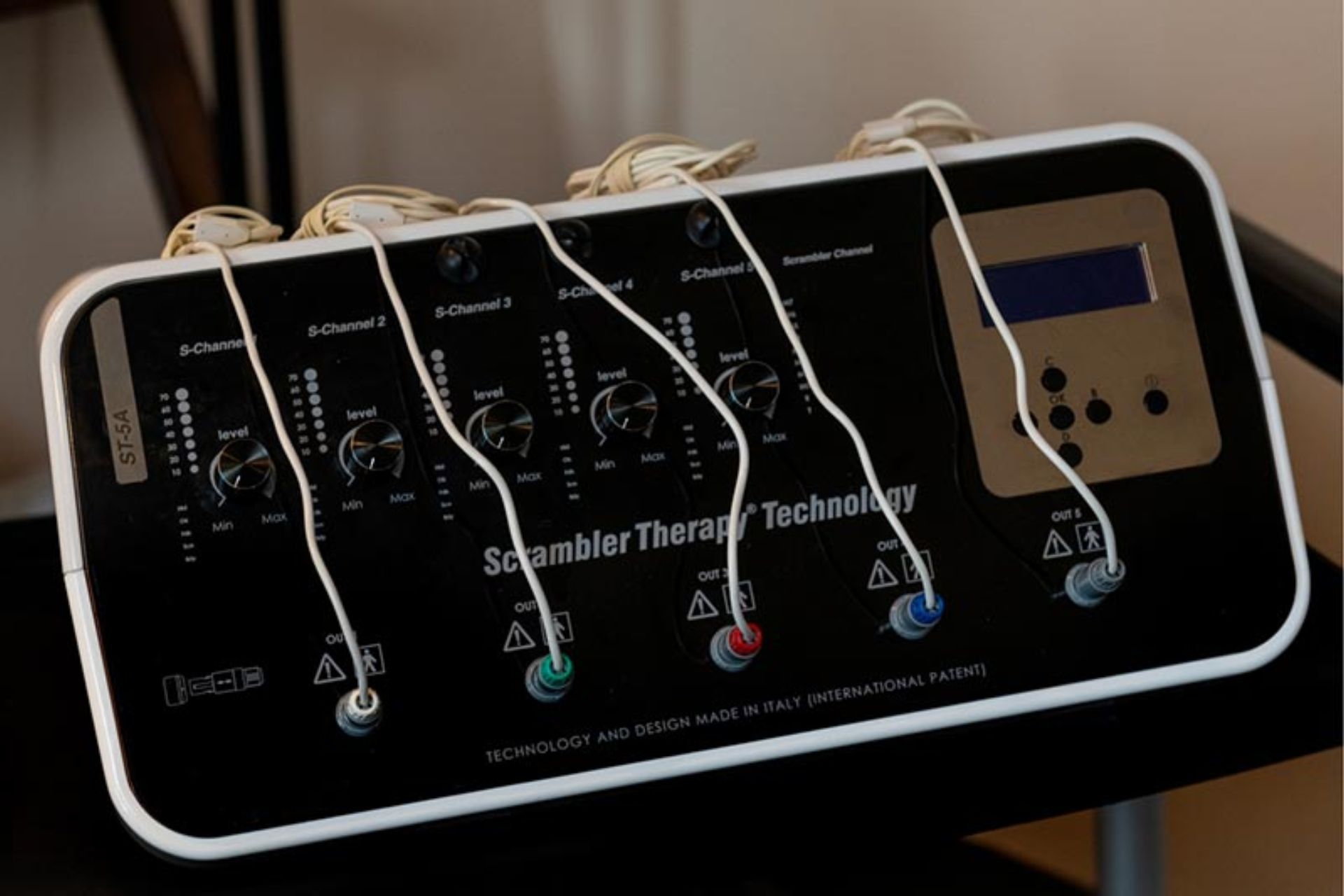
Scrambler Therapy, also known as Calmare® Therapy, is an FDA-cleared, non-invasive pain treatment designed for neuropathic pain. It works by disrupting and retraining faulty nerve signals without using drugs or invasive procedures.
How It Works
The therapy uses external electrodes to deliver non-pain electrical signals to the skin near affected nerves. These signals are interpreted by the brain as normal "non-pain" messages, effectively overriding chronic pain patterns.
Mechanism: Pain signals are replaced with "non-pain" signals via cutaneous nerve stimulation and central nervous system reprogramming.
Scrambler Therapy vs TENS
Feature
Scrambler Therapy
TENS
Signal Type
Variable, non-linear signals
Fixed frequency signals
Effect Duration
Long-lasting after sessions
Temporary, ends after use
Target
Neuropathic pain
General muscle/joint pain
Goal
Retrain pain signaling
Block pain temporarily
Conditions Best Suited for Scrambler Therapy
Cervical radiculopathy
Post-surgical nerve pain
Neuropathies and nerve entrapment syndromes
Post-whiplash chronic nerve pain
Complex regional pain syndrome (CRPS)
Chemotherapy-induced peripheral neuropathy (CIPN)
Next, we’ll show how Scrambler Therapy is used specifically for chronic neck, arm, and shoulder nerve pain.
Treating Chronic Neck, Arm, and Shoulder Nerve Pain with Scrambler Therapy
Why Scrambler Therapy Is Effective
Scrambler Therapy targets the root cause—the nerve misfiring that drives chronic pain. It reconditions the nervous system and helps restore normal sensory patterns.
Treatment Protocol for Neck, Arm & Shoulder Nerve Pain
Treatment Component
Description
Sessions
Typically 10–12 sessions over 2–3 weeks
Duration per session
35–45 minutes
Electrode placement
Tailored to cervical, brachial, and radial nerve areas
Pain areas targeted
Neck, shoulder, upper arm, forearm, and hand
Patient Experience During Therapy
Mild tingling or vibration sensation
No heat, burning, or muscle contractions
Patients often feel relief within 2–5 sessions
Pain Reduction Timeline
Short-term: Initial relief may begin within the first few sessions.
Long-term: Some patients report months or even years of pain reduction.
Ideal Candidate Profile
Diagnosed with neuropathic pain, not inflammatory pain
Failed conventional therapies or pain medications
Not actively undergoing other neurostimulation treatments
When Scrambler Therapy May Not Be Suitable
Pacemaker users or those with implanted electrical devices
Patients with active infections or uncontrolled epilepsy
Now, we’ll cover the concrete benefits of using Scrambler Therapy as a treatment for chronic nerve pain.
Benefits of Scrambler Therapy for Chronic Nerve Pain
Key Advantages of Scrambler Therapy
Drug-free: No dependency or withdrawal risks
Non-surgical: Safe for patients avoiding invasive procedures
Minimal side effects: No systemic reactions or sedation
Faster recovery: Improvement often noted within 1–2 weeks
Long-Term Outcomes
Sustained relief for 3–12 months in many patients
Reduced medication use (including opioids and gabapentinoids)
Improved function in the neck, shoulder, and arm
Compatible with rehab: Can be used alongside physical therapy
In the next section, we’ll walk you through what to expect before, during, and after the therapy sessions.
What to Expect Before, During, and After Scrambler Therapy
Pre-Treatment Evaluation
Detailed pain mapping and neurological assessment
Identification of nerve pathways involved
Planning of custom electrode placements
During a Session
Patient sits or lies in a relaxed position
Electrodes are applied to non-painful adjacent areas
Therapist adjusts signal intensity based on patient feedback
Sensations During Treatment
Gentle pulsing or tingling
No burning or discomfort
Immediate pain relief may occur during the session
After Treatment
Phase
Observation
Immediate
Mild relief or sensation improvement
Short-term
Decreased reliance on medications
Long-term
Improved quality of life, mobility
Some patients may experience temporary fatigue or soreness, but these symptoms resolve quickly. Following all sessions is critical to maximize long-term effectiveness.
Let’s now address some frequently asked questions to clear up common concerns.
FAQs About Chronic Neck, Arm, and Shoulder Nerve Pain with Scrambler Therapy
What types of chronic neck, arm, and shoulder nerve pain respond best to Scrambler Therapy?
Scrambler Therapy works best for neuropathic pain such as cervical radiculopathy, post-surgical nerve damage, and trauma-induced nerve injury.
How long does relief from Scrambler Therapy last?
Relief can last from several months to over a year depending on the individual and underlying cause.
Is Scrambler Therapy painful?
No, the therapy is painless. Patients typically report a pleasant tingling sensation during sessions.
How soon will I feel relief from nerve pain?
Many patients notice improvement within 5 sessions, with the full benefit after 10–12 sessions.
Can Scrambler Therapy replace medications?
In many cases, yes. Patients often reduce or eliminate medications after completing the therapy protocol.
Is Scrambler Therapy safe for older adults?
Yes. Scrambler Therapy is safe for elderly patients, including those with age-related neuropathies.
Can Scrambler Therapy help pain after neck or shoulder surgery?
Yes, it is effective for post-operative nerve pain, especially if the pain is neuropathic in nature.
How does Scrambler Therapy compare to injections or surgery?
Unlike injections or surgery, Scrambler Therapy is non-invasive, reversible, and carries minimal risk, making it an ideal first-line option for many.
Experiencing Chronic Pain in South Florida?
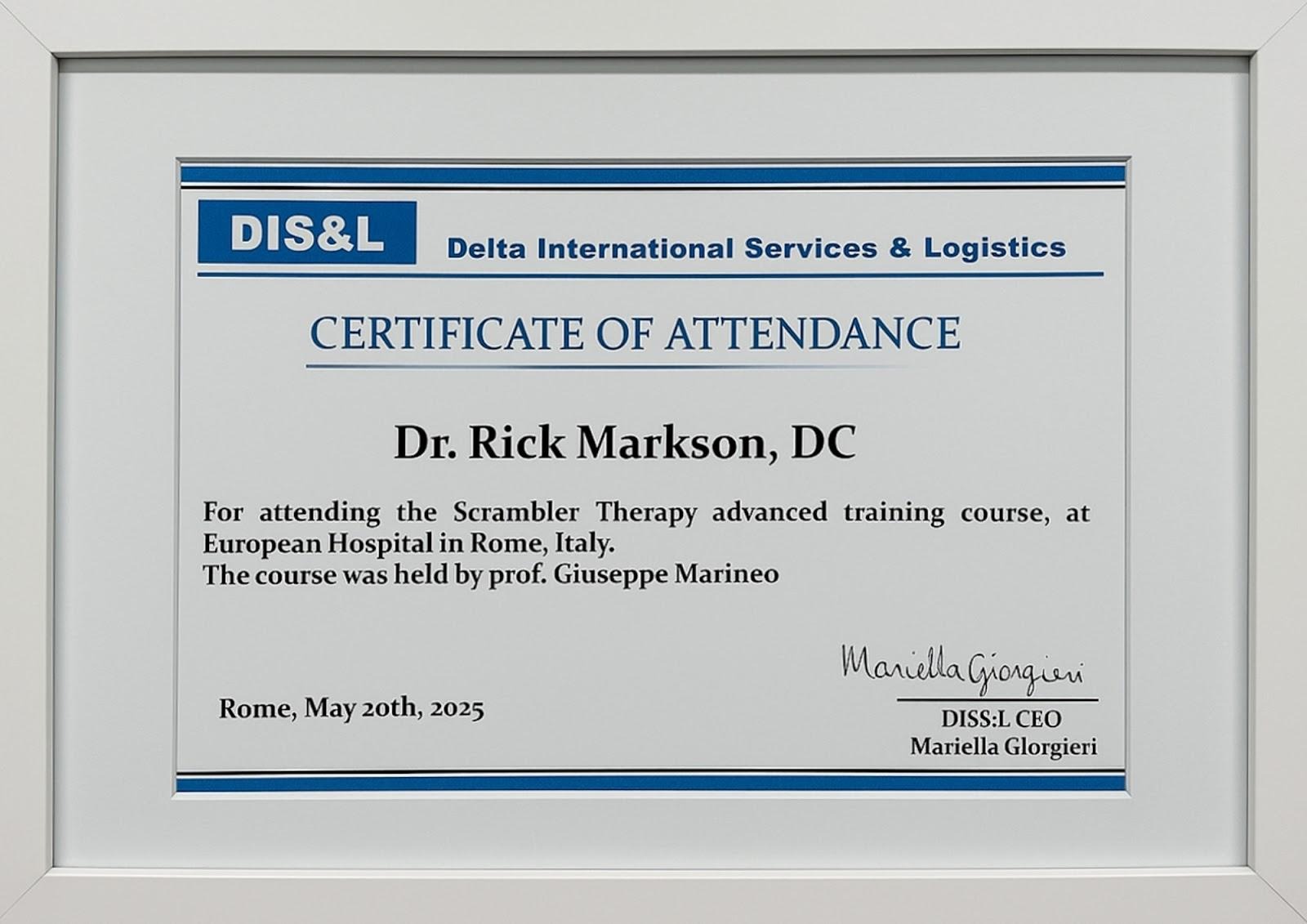
Discover South Florida Scrambler Therapy is one of the nation’s leading clinics for noninvasive chronic pain relief, offering FDA-cleared Scrambler Therapy® for adults and children. Co-founded by Dr. Rick Markson, one of the few practitioners worldwide to receive advanced certification directly from the therapy’s inventor in Rome, our clinic delivers globally recognized expertise with compassionate, personalized care. If you or a loved one is living with treatment-resistant nerve pain, we invite you to schedule a consultation and explore a life beyond pain.
.webp)


.jpeg)


.svg)
.svg)
.svg)