.webp)
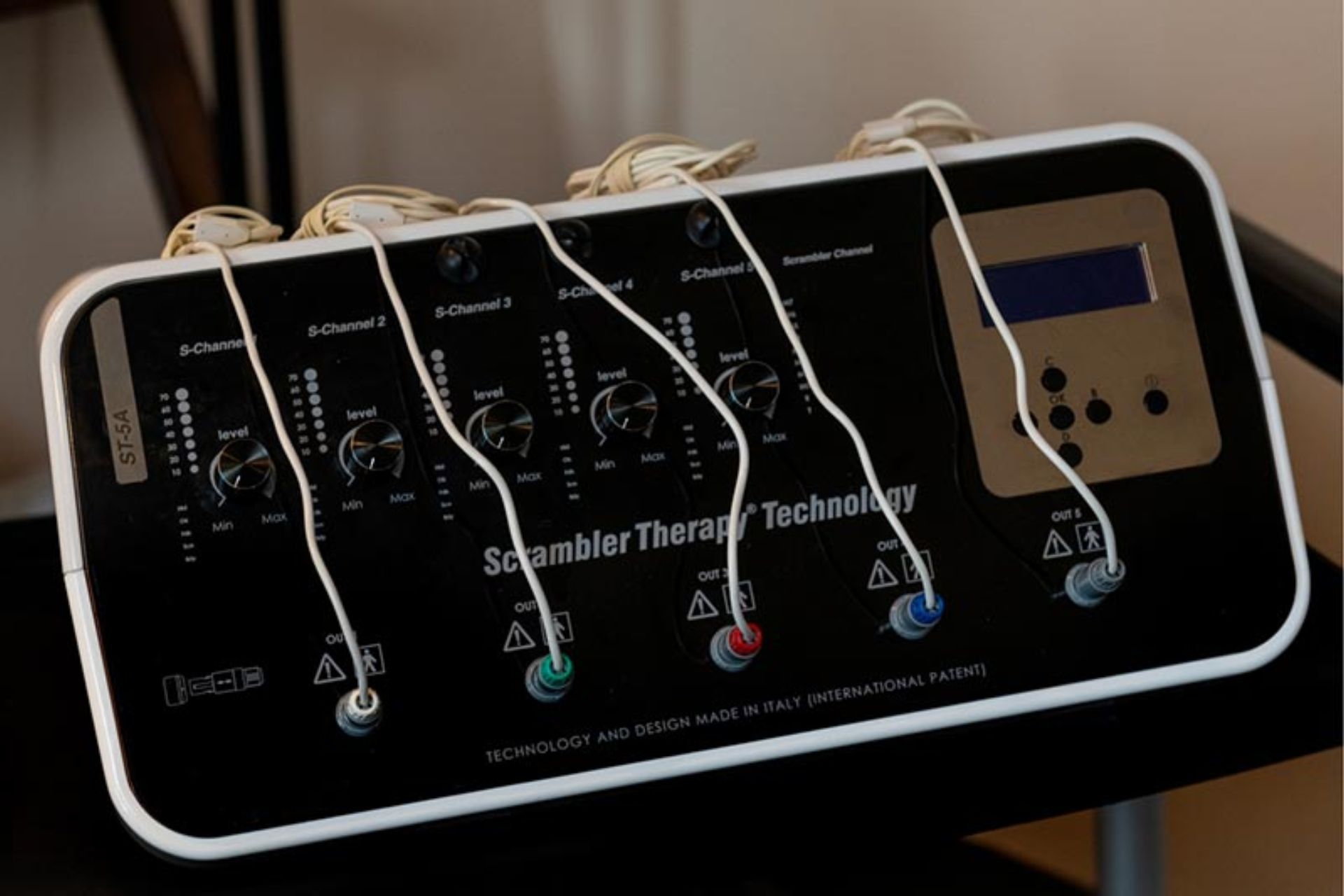
Scrambler Therapy is a non-invasive neuromodulation treatment that rewires how the central nervous system processes chronic pain.
The therapy uses electrical stimulation to send "non-pain" signals via surface electrodes placed on the skin. These override pain messages transmitted through spinal nerve pathways, altering how the brain perceives persistent pain.
This effect supports neuroplasticity—the brain’s ability to rewire itself. But the effects aren’t permanent unless reinforced. Maintaining pain relief after Scrambler Therapy depends heavily on lifestyle and daily habits that support nerve function, emotional regulation, and mobility.
Key Effects Post-Scrambler Therapy:
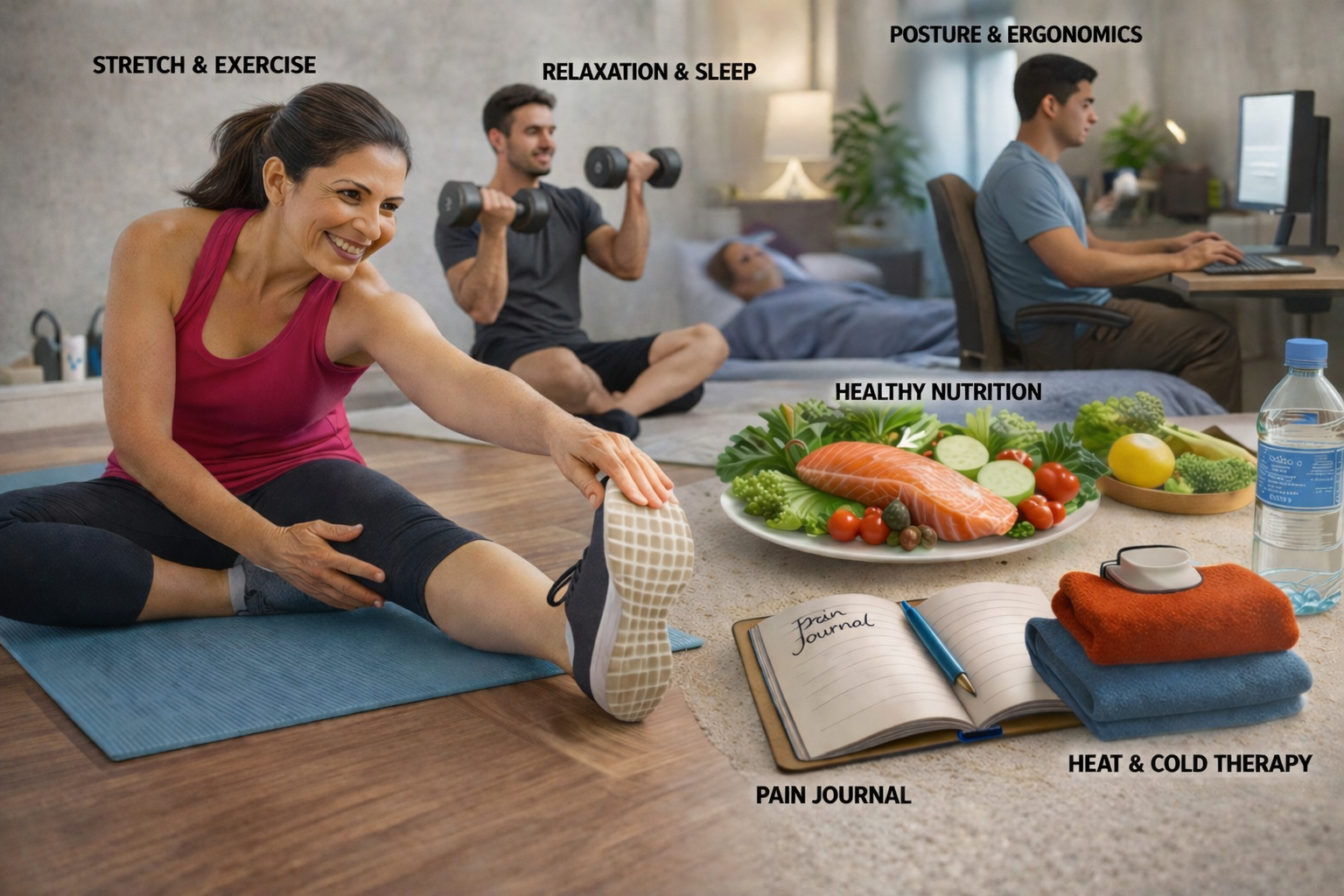
You'll learn how daily movement, nutrition, sleep, posture, and tracking all help sustain these results.
Light physical activity helps reinforce the neurological changes made during Scrambler Therapy.
Movement encourages the brain to maintain new pain-free signal pathways. It stimulates endorphins, increases flexibility, and prevents muscular deconditioning.
Exercise after Scrambler Therapy supports muscle conditioning and protects against nerve-related immobility.
Anti-inflammatory nutrition is key to reducing nerve irritation and sustaining pain relief.
A poor diet can worsen chronic inflammation, reversing Scrambler Therapy results. Certain nutrients actively support nerve regeneration and immune balance.
The right pain-relief diet after Scrambler Therapy boosts nerve function and reduces flare-up risk.
Yes. Emotional stress and poor sleep can reverse Scrambler Therapy’s effects by reactivating pain pathways.
Stress increases cortisol, which raises inflammation and enhances pain perception. Deep, restorative sleep supports healing through neural recovery and neurotransmitter regulation.
Sleep after Scrambler Therapy is not just rest—it’s neural recovery time.
Improper posture compresses nerves and muscles, undoing Scrambler Therapy’s pain-relieving effects.
Daily ergonomics—how you sit, stand, and move—directly influence musculoskeletal strain and nerve compression.
Proper posture and body mechanics reduce stress on the musculoskeletal system. This protects against recurring nerve irritation.
Tracking symptoms helps identify what sustains or disrupts your pain relief.
A pain diary or symptom tracker allows you to monitor pain levels, triggers, and effectiveness of daily habits.
Follow-up care after Scrambler Therapy can extend results and adjust treatment protocols.
Relief can last from weeks to months, depending on the individual’s condition, post-care habits, and response to neuroplastic changes. Some patients report 6–12 months of reduced symptoms.
Yes, but start with low-impact movement. Gentle walking or stretching within 24–48 hours supports therapy integration without overloading the nervous system.
Avoid:
These factors can reactivate pain transmission.
Yes, in most cases. Scrambler Therapy is non-pharmacological and doesn’t interfere with medications, but always consult your pain specialist or prescribing doctor.
Some patients benefit from periodic booster sessions. These help reinforce neuromodulation if pain begins to return or if new pain regions develop.
Each post-therapy habit strengthens the pain relief achieved through your sessions. Below is a summary of essential practices to maintain lasting effects.
Maintaining pain relief after Scrambler Therapy is not passive—it requires consistent, targeted habits. From movement and diet to emotional care and ergonomic awareness, each element supports the rewiring of pain pathways. Patients who integrate these habits report longer-lasting results, fewer flare-ups, and improved quality of life.
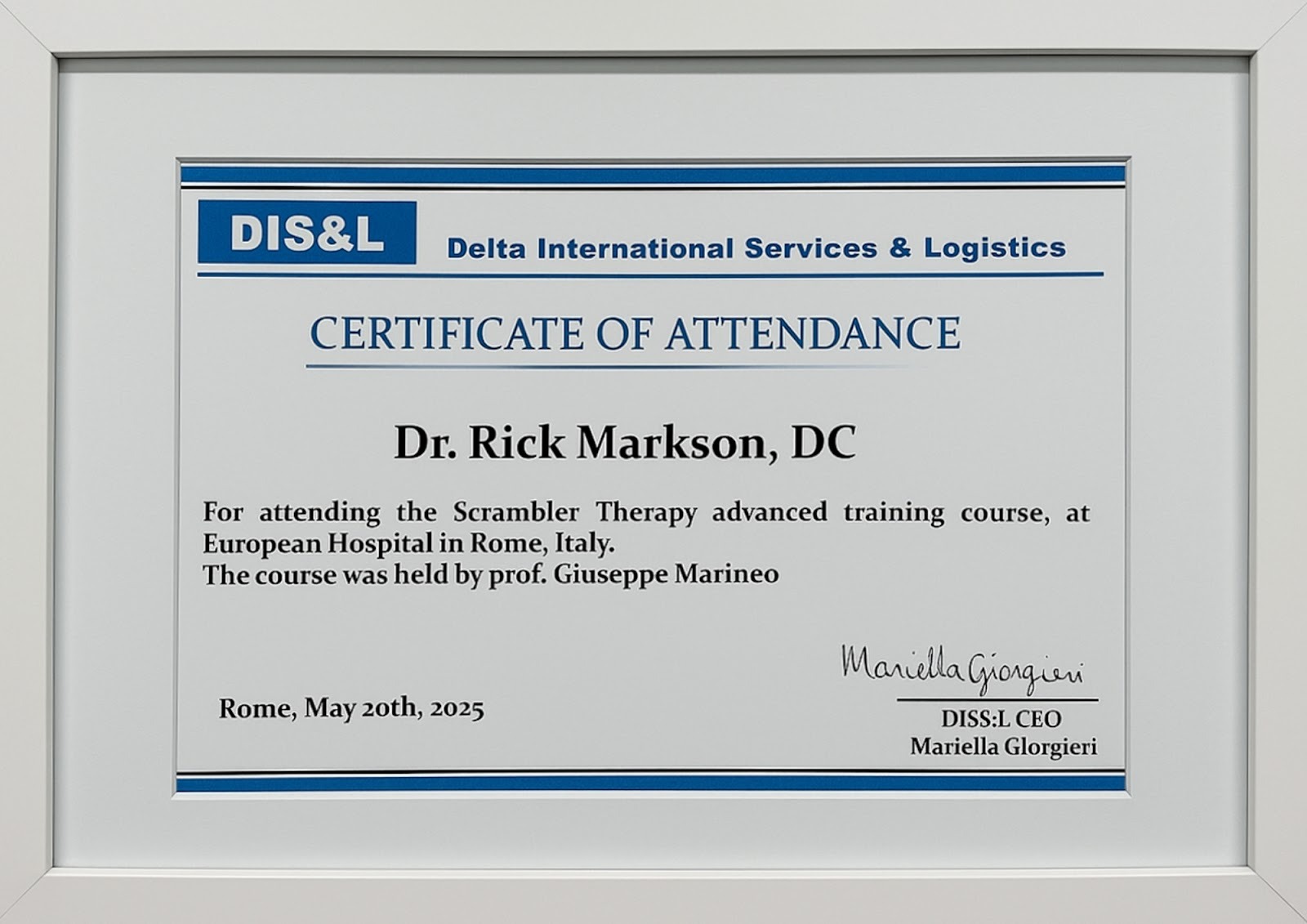
Discover South Florida Scrambler Therapy is one of the nation’s leading clinics for noninvasive chronic pain relief, offering FDA-cleared Scrambler Therapy® for adults and children. Co-founded by Dr. Rick Markson, one of the few practitioners worldwide to receive advanced certification directly from the therapy’s inventor in Rome, our clinic delivers globally recognized expertise with compassionate, personalized care. If you or a loved one is living with treatment-resistant nerve pain, we invite you to schedule a consultation and explore a life beyond pain.
📘 What is scrambler therapy?
📘 What to Expect During a Scrambler Session
📘 CRPS Pain Relief Without Drugs—Real Patient Stories
📘 Conditions that scrambler therapy can treat
Keep up to date with important news about our clinic and your medical records.

.jpeg)


.svg)
.svg)
.svg)