.webp)
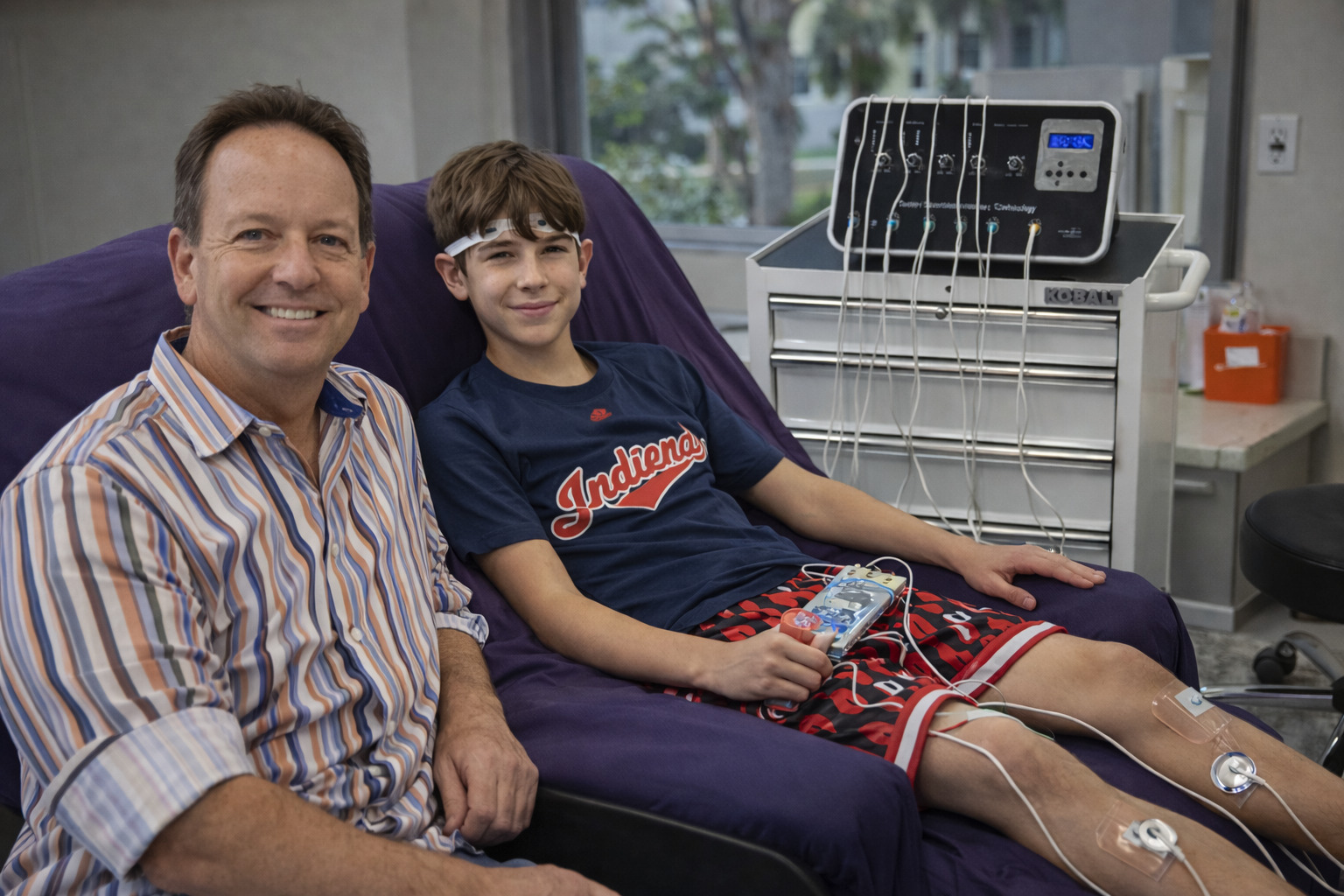
When a child reports persistent or unexplained pain, parents often feel alarmed, especially when test results do not explain the discomfort. In some cases, the pain may be due to Pediatric Complex Regional Pain Syndrome (CRPS), a neurological condition that alters pain processing. Early recognition can help prevent long-term disability and restore function.
Pediatric CRPS is a chronic pain disorder that affects the limbs. It often starts after a minor injury but can also develop without any known cause. The condition originates in the central and peripheral nervous systems, not in damaged tissues. It involves dysregulated pain signaling, meaning the brain continues to perceive pain despite normal healing in the body.
CRPS is rare in children but more responsive to treatment when recognized early.
Children’s nervous systems show higher plasticity, which means early treatment is more likely to reverse symptoms. Unlike adults, children with CRPS often:
Children may appear more sensitive to environmental triggers like light touch, clothing, or temperature, which can be misinterpreted as anxiety or behavioral issues.
A minor injury may cause pain that continues for weeks or months. Even gentle contact or slight movement may cause extreme discomfort.
Children may avoid clothing or resist physical contact. They may describe sensations as burning, stabbing, or freezing, especially when exposed to normal temperatures.
Parents may notice the limb appearing:
These changes may vary throughout the day.
The affected area might swell unpredictably. Some children sweat excessively or not at all in the painful area.
Children may stop using the affected limb altogether. This is not a behavior problem but a protective neurological response to pain.
CRPS does not show up on standard tests. X-rays, MRIs, and blood work often appear normal. Because of this, symptoms may be misattributed to:
Medical professionals may unintentionally dismiss the child's pain, delaying diagnosis. However, CRPS is a physiological condition that needs targeted evaluation by specialists.
Parents frequently say they suspected something deeper was wrong before a diagnosis. Common patterns reported include:
Understanding that CRPS reflects nervous system hypersensitivity, not tissue damage, helps reduce fear and builds trust in treatment.
Timely diagnosis improves long-term outcomes. Children with CRPS benefit from early, active treatment, which can include:
The goal is not to push through pain, but to gradually help the nervous system return to a normal pain threshold.
If your child presents with any combination of the early signs listed above for more than a few weeks, consider consulting a pediatric pain specialist.
You can also read our resources on:
Children with CRPS often regain function, especially when care starts early. The nervous system can relearn safety and decrease pain over time.
Recovery is possible, even if progress feels slow or inconsistent.
“Once we understood what CRPS was, we stopped feeling helpless.”
“Early guidance made a difference for our child’s confidence.”
Early signs include persistent limb pain, sensitivity to touch, color or temperature changes, swelling, and movement avoidance.
Yes. CRPS can occur in children, often after minor injury or without a clear cause.
No. Pediatric CRPS involves nervous system changes, though stress can influence symptoms.
Early recognition is associated with better functional outcomes.
Many children improve with timely, supportive, multidisciplinary care.
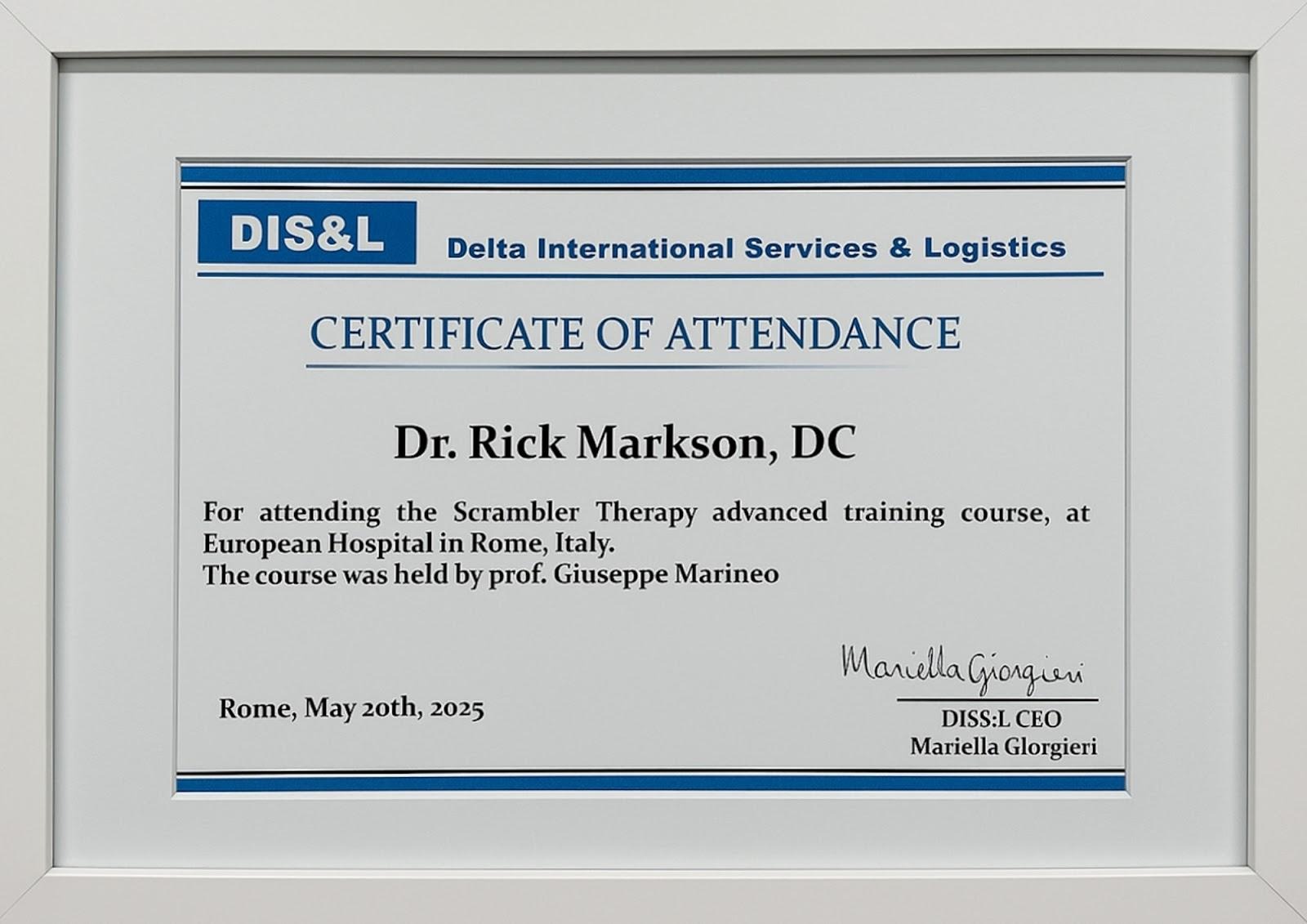
Discover South Florida Scrambler Therapy is one of the nation’s leading clinics for noninvasive chronic pain relief, offering FDA-cleared Scrambler Therapy® for adults and children. Co-founded by Dr. Rick Markson, one of the few practitioners worldwide to receive advanced certification directly from the therapy’s inventor in Rome, our clinic delivers globally recognized expertise with compassionate, personalized care. If you or a loved one is living with treatment-resistant nerve pain, we invite you to schedule a consultation and explore a life beyond pain.
Scrambler Therapy FDA FDA 510(k) database
Scrambler Therapy delivers 80%–90% pain reduction for patients suffering from nerve-related pain.
Pain Physician Journal study on Scrambler Therapy’s effectiveness
Scrambler therapy is a non-invasive, opioid-sparing treatment for chronic pain.
📘 What is scrambler therapy?
📘 What to Expect During a Scrambler Session
📘 CRPS Pain Relief Without Drugs—Real Patient Stories
📘 Conditions that scrambler therapy can treat
This article is for educational purposes only and does not replace medical advice. Pediatric pain conditions vary widely. Always consult qualified healthcare providers for diagnosis and treatment decisions.
Keep up to date with important news about our clinic and your medical records.




.svg)
.svg)
.svg)