Why Electrode Placement Changes Outcomes: The Clinical Rationale

About Scrambler Therapy

Scrambler therapy is a non-invasive neuromodulation technique developed to override chronic pain signaling. While the technology behind the scrambler device is crucial, it’s the electrode placement that often determines the success or failure of treatment. Electrode positioning is not a secondary technical step—it is the direct interface through which the therapy engages the nervous system.

How Scrambler Therapy Modifies Nerve Signaling

What is the mechanism of scrambler therapy?

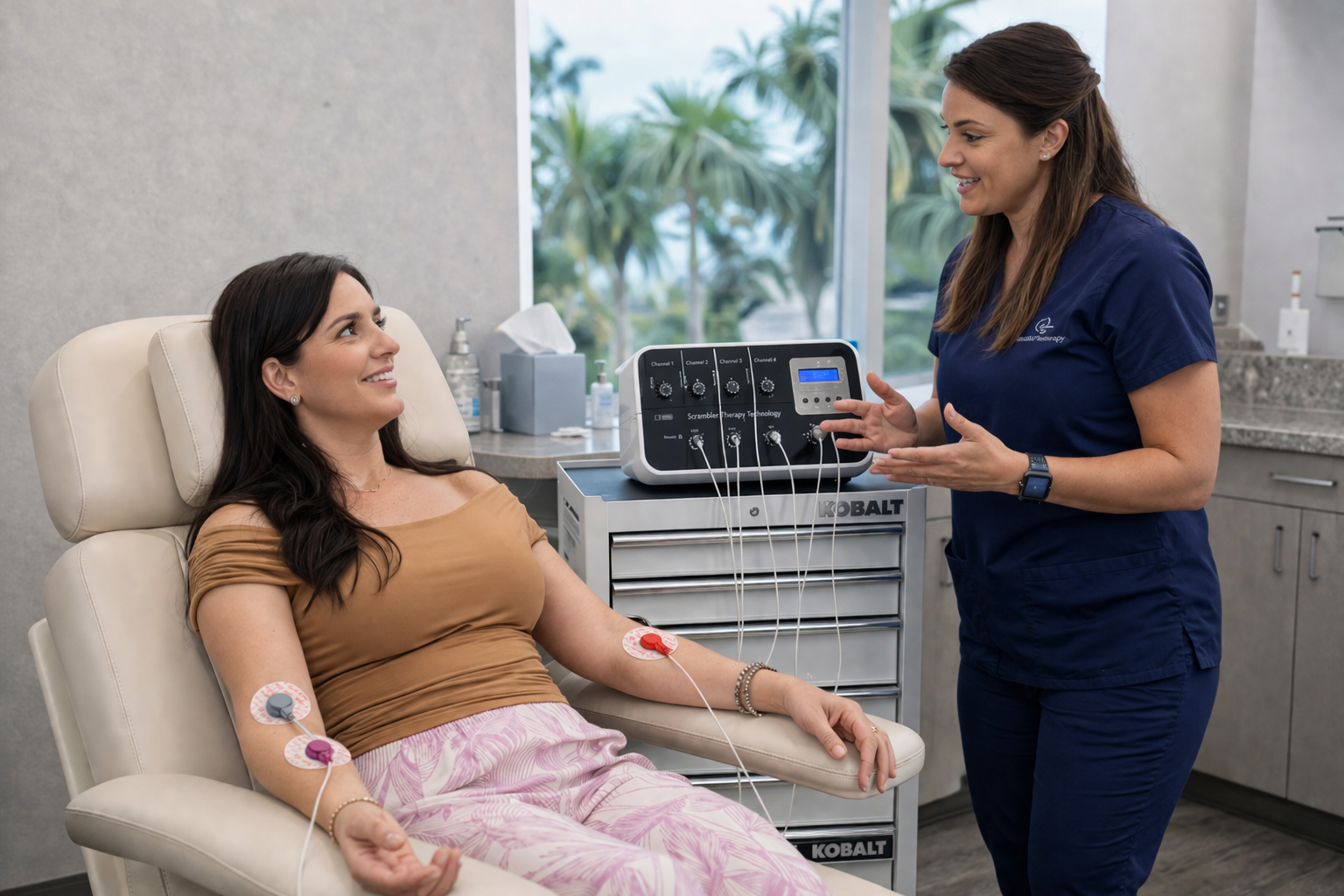
Scrambler therapy sends synthetic “non-pain” signals through surface electrodes. These signals travel along peripheral nerve fibers to compete with, override, or disrupt chronic pain messages being sent to the brain.

Why is placement essential in this process?

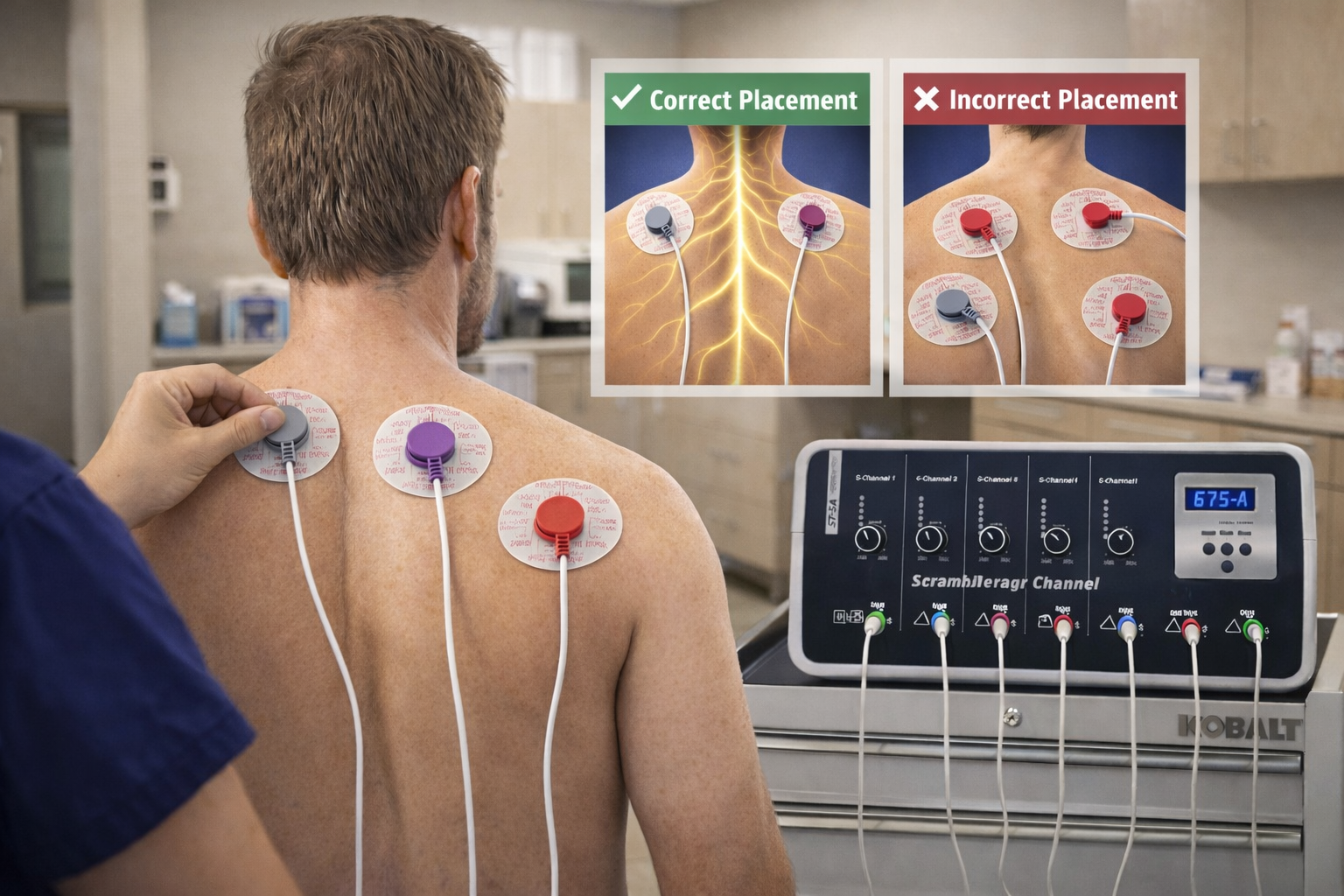
The nervous system processes inputs based on their entry point. Precise electrode placement ensures the intended signal reaches relevant nerve pathways, influencing the pain-processing circuits. Placement errors misdirect the signal, often leading to no therapeutic effect.

Pain Pathways Are Anatomically Specific

Why can't electrodes be placed randomly near pain areas?

Pain signals follow defined anatomical pathways—through peripheral nerves, spinal segments, and central processing centers. Scrambler therapy must intercept these signals at structurally and functionally relevant points.

Peripheral Nerve Mapping Determines Target Zones

  • Electrodes are not placed directly on pain sites.
  • Clinicians identify nearby intact sensory nerves feeding the painful area.
  • Correct targeting influences the actual afferent input of the pain pathway.
  • Misplacement stimulates unrelated dermatomes or nerve branches, bypassing the problem source.

Spinal Segment and Central Processing Integration

  • Signals must enter through spinal segments associated with the sensitized area.
  • Segmental mismatches reduce or nullify signal integration.
  • The treatment’s effectiveness depends on functional proximity to the central pain network.

Why Scrambler Electrode Placement Outcomes Vary

Why do different patients report different results?

Outcomes vary not because the device changes, but because electrode strategy changes—or doesn’t.

Poor results often stem from:

  • Using fixed or generalized protocols
  • Ignoring dermatomal variations
  • Overlooking subjective sensory feedback
  • Failing to adapt in real-time during treatment

Scrambler therapy is feedback-driven. Providers must respond to what the patient feels and where the nervous system is responsive.

How Neuroplasticity Influences Long-Term Outcomes

What role does neuroplasticity play in scrambler therapy?

Neuroplasticity is the nervous system’s ability to rewire and reassign meaning to signals through repeated stimulation. Scrambler therapy uses this plasticity by delivering repetitive, non-painful input to override persistent pain signaling patterns.

Why is precise targeting critical?

  • Accurate placement ensures the non-pain signal reaches sensitized circuits
  • If misdirected, the input may be ignored or filtered out by the brain
  • Rewiring depends on engagement of the correct circuits over time

Clinical Observations from Practice

What do providers see when placement is wrong?

Clinicians frequently encounter patients who tried scrambler therapy elsewhere with minimal results. The common pattern:

  • Electrodes were placed on or near the painful area
  • The same spots were used repeatedly without sensory feedback assessment
  • No adjustments were made when symptoms changed

What improves outcomes?

  • Reassessing nerve involvement
  • Testing alternative electrode locations
  • Adjusting for changes in pain perception during the session

Better results follow dynamic placement based on individual anatomy and response—not default routines.

Scrambler Therapy Is Not Plug-and-Play

Is scrambler therapy standardized?

No. Scrambler therapy must be adaptive. Each treatment requires ongoing assessment of:

  • Pain location and distribution
  • Dermatomal nerve pathways
  • Real-time feedback on tingling, pulsing, or pressure sensations

Effective treatment involves:

  • Identifying non-painful, intact entry points
  • Ensuring signals are perceptible but comfortable
  • Adjusting if pain shifts or decreases mid-session

Without these steps, the therapy risks becoming ineffective.

What High-Intent Patients Should Ask Providers

Patients committed to relief should assess how well the provider personalizes treatment. Ask:

  • How do you identify where to place electrodes?
  • Do you adjust placement based on what I feel?
  • Do you avoid placing electrodes directly on the pain?
  • Do you monitor for changes during each session?

These questions reveal whether the provider uses clinical reasoning or simply follows a protocol.

➡ For a deeper look into how pain pathways function:
[Internal Link: /how-pain-pathways-work/]

➡ To understand how neuroplasticity underpins chronic pain treatment:
[Internal Link: /neuroplasticity-chronic-pain-care/]

Precision Reflects Clinical Expertise

What does placement say about provider skill?

Electrode positioning is a proxy for how well the provider understands:

  • Neuroanatomy
  • Dermatomes and myotomes
  • Pain referral patterns
  • Central sensitization

Precision in placement is often the difference between short-term relief and long-term resolution.

Patient Observations on Placement

(Verify before posting)

“Once the electrode placement was adjusted, the treatment finally felt different.”

“This was the first provider who explained why placement mattered so much.”

FAQs: Scrambler Electrode Placement

Why do scrambler electrode placement outcomes vary?

Outcomes vary because placement determines which nerves receive therapeutic signals.

Is scrambler electrode placement standardized?

No. Placement should be customized to each patient’s pain and sensory map.

Can incorrect placement reduce scrambler effectiveness?

Yes. Incorrect targeting may bypass sensitized pathways and yield no relief.

Does electrode placement change during scrambler therapy?

Yes. Placement may shift to follow evolving pain responses and feedback.

Should electrodes be placed on the painful area?

No. Electrodes are typically placed away from the pain to engage healthy nerve input routes.

Medical Disclaimer

This content is educational and not a substitute for medical advice. Individual outcomes vary. Always consult a licensed provider for diagnosis and care decisions.
Experiencing Chronic Pain in South Florida?

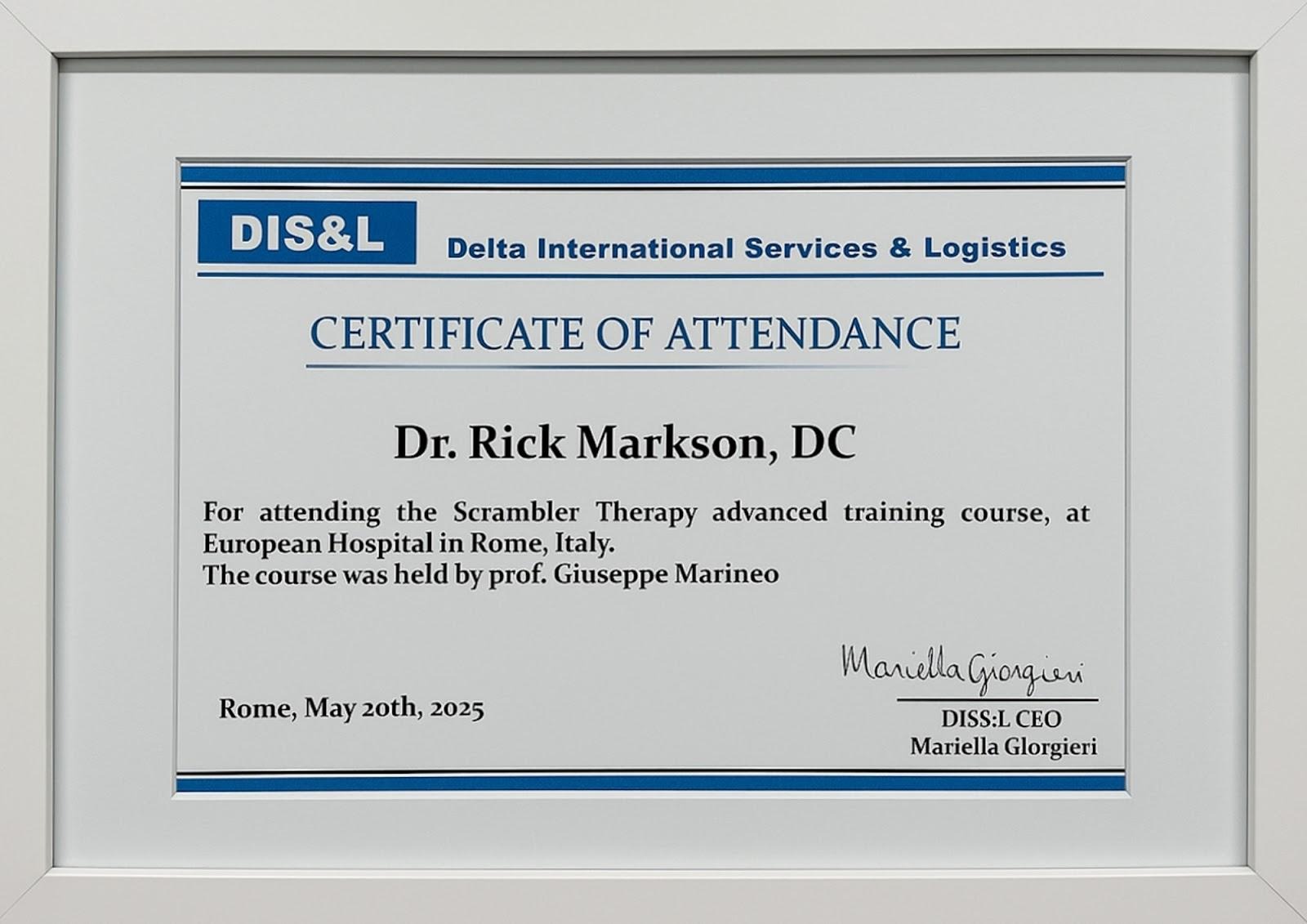
Discover South Florida Scrambler Therapy is one of the nation’s leading clinics for noninvasive chronic pain relief, offering FDA-cleared Scrambler Therapy® for adults and children. Co-founded by Dr. Rick Markson, one of the few practitioners worldwide to receive advanced certification directly from the therapy’s inventor in Rome, our clinic delivers globally recognized expertise with compassionate, personalized care. If you or a loved one is living with treatment-resistant nerve pain, we invite you to schedule a consultation and explore a life beyond pain.

Recommended links that shows legitimacy of scrambler therapy:

Scrambler Therapy FDA FDA 510(k) database

Scrambler Therapy delivers 80%–90% pain reduction for patients suffering from nerve-related pain.

Pain Physician Journal study on Scrambler Therapy’s effectiveness

Scrambler therapy is a non-invasive, opioid-sparing treatment for chronic pain.

Recommended Reads:

📘 What is scrambler therapy?
📘 What to Expect During a Scrambler Session
📘 CRPS Pain Relief Without Drugs—Real Patient Stories
📘 Conditions that scrambler therapy can treat

Take the Next Step: Free Consultation at South Florida Scrambler

Every day counts when we suffer from chronic pain. South Florida Scrambler Therapy offers a free initial consultation to determine if Scrambler is right for you. Schedule Today:

  • Speak directly with Dr. Rick Markson’s team
  • Learn about treatment protocols and insurance
  • Complete a customized treatment plan
  • Start seeing results within days, not months

📞 Call Now or Visit website: www.southfloridascramblertherapy.com

📍 We serve Palm Beach, Fort Lauderdale, and Miami from our location at 100 NW 100th Ave, Plantation

You Can Follow Us through Our Social Media:

📸InstagramDay-in-the-life stories from our patients
👍FacebookSuccess journeys and community support

You deserve to laugh, and enjoy life without pain. The journey starts here.

Testimonials

Patient Reviews

"I am so thankful for the relief I found through Scrambler Therapy. After years of chronic pain from neuropathy, I finally have my life back. The team truly cares about their patients."
Melissa Chen
2 weeks ago
"I am so thankful for the relief I found through Scrambler Therapy. After years of chronic pain from neuropathy, I finally have my life back. The team truly cares about their patients."
Melissa Chen
2 weeks ago
"I am so thankful for the relief I found through Scrambler Therapy. After years of chronic pain from neuropathy, I finally have my life back. The team truly cares about their patients."
Melissa Chen
2 weeks ago
"I am so thankful for the relief I found through Scrambler Therapy. After years of chronic pain from neuropathy, I finally have my life back. The team truly cares about their patients."
Melissa Chen
2 weeks ago
"I am so thankful for the relief I found through Scrambler Therapy. After years of chronic pain from neuropathy, I finally have my life back. The team truly cares about their patients."
Melissa Chen
2 weeks ago
"I am so thankful for the relief I found through Scrambler Therapy. After years of chronic pain from neuropathy, I finally have my life back. The team truly cares about their patients."
Melissa Chen
2 weeks ago
Trusted Relief in South Florida Scrambler Therapy

Start Your Nerve Pain-Free Journey Today

Don't let nerve pain discomfort control your life. Call today or book online to see if this is right for you.
natural treatment for nerve pain