.webp)
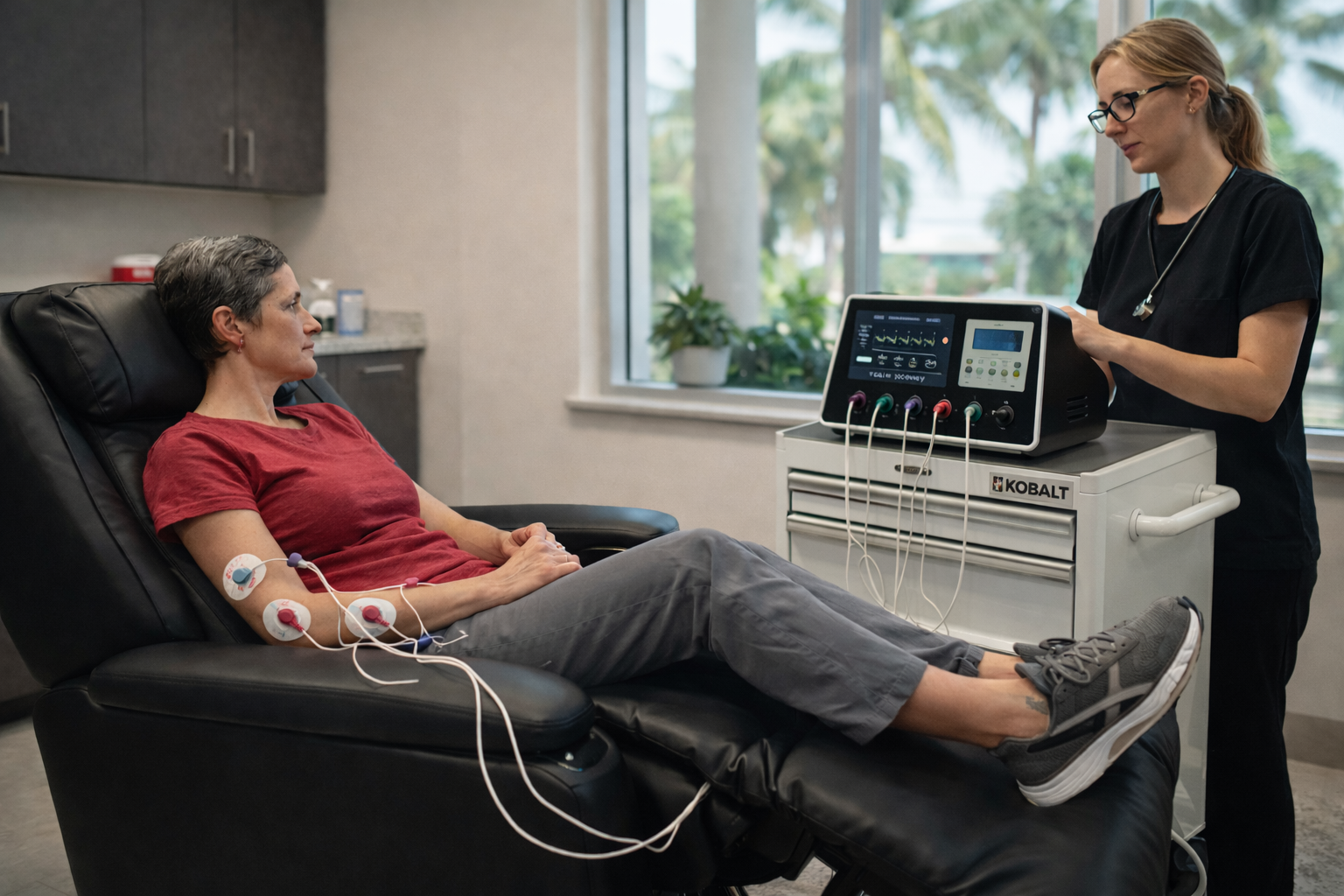
Living with Chronic Pain: What Happens When Nothing Works? Chronic neuropathic pain often leads to a cycle of trial-and-error treatments. This patient had spent over a decade trying medications, nerve blocks, steroid injections, physical therapy, and alternative modalities. None provided lasting relief.
“I kept thinking the next thing would help. But each time, it didn’t.”
This story represents a pattern seen in clinics treating chronic nerve pain, especially in cases of post-surgical nerve damage, chemotherapy-induced neuropathy, or complex regional pain syndrome (CRPS). Emotional burnout is common.
After repeated treatment failures, many patients begin to protect themselves emotionally by expecting disappointment.
This patient reported low expectations when Scrambler Therapy was first mentioned. Their research turned up both promising reviews and unconvincing results from forums and articles. They questioned the science, asking:
“How is this different from TENS or other nerve stimulation devices?”
A clinician took time to map out the patient's pain history, patterns, and treatment fatigue. The goal wasn’t to convince—it was to assess suitability. Key factors that influenced their decision:
This approach is aligned with high EEAT standards—where expertise is communicated clearly, and trust is built through personalization and transparency.
Scrambler Therapy (Calmare®) is an FDA-cleared, non-invasive neuromodulation treatment. Unlike TENS, which masks pain through competing signals, Scrambler Therapy re-trains how the brain interprets pain signals.
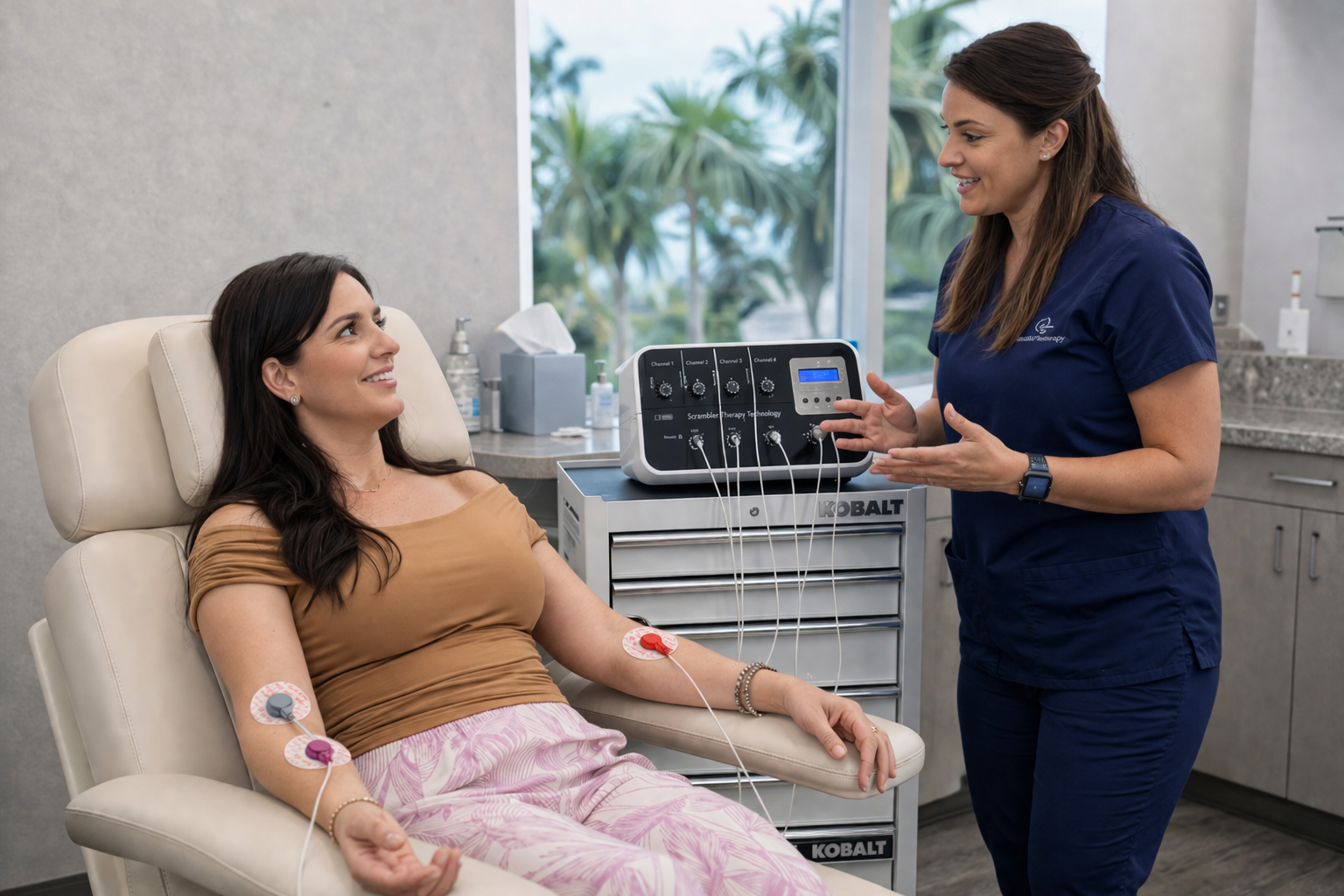
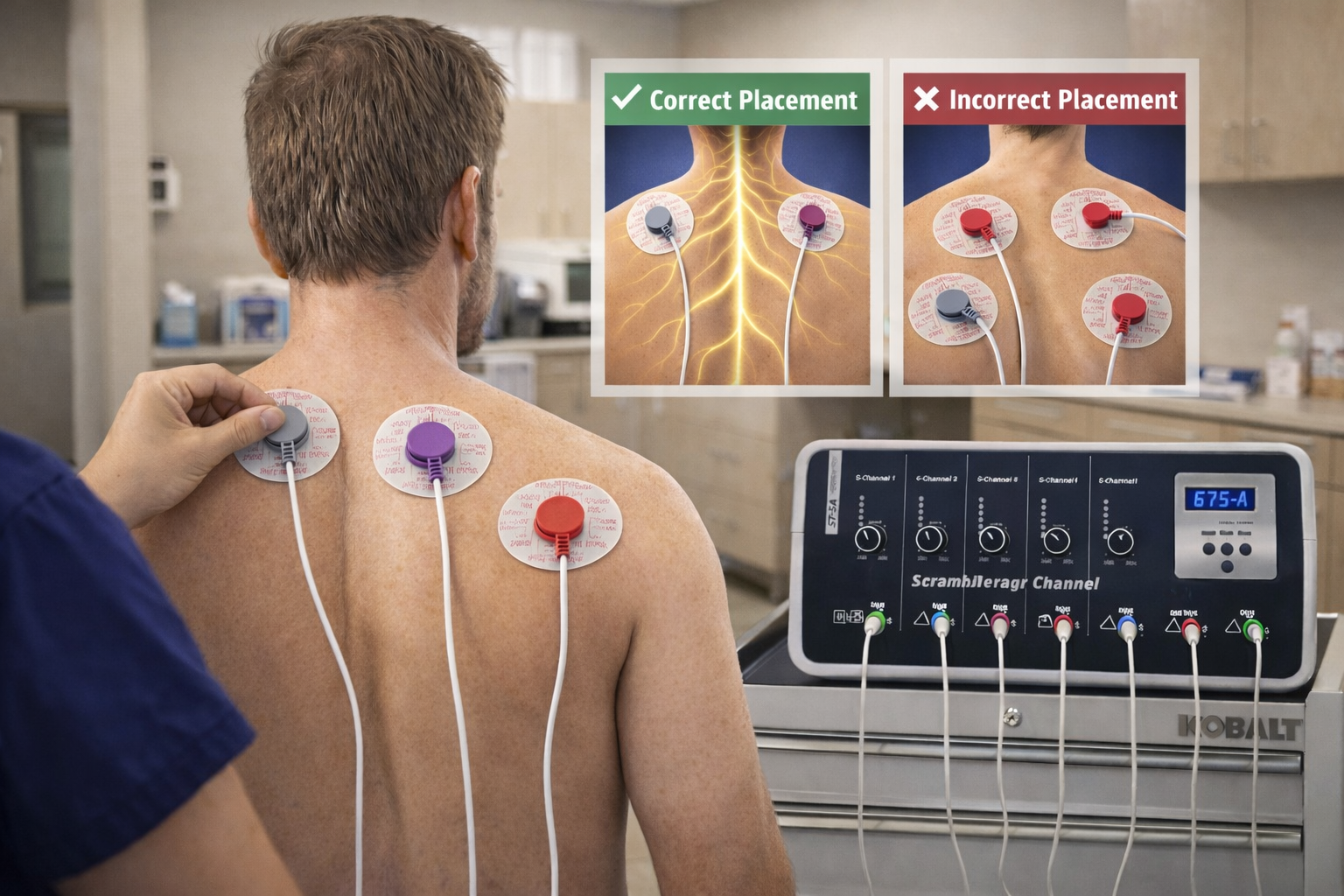
The device uses five electrocutaneous channels, dynamically adjusted by a trained clinician based on the patient’s real-time feedback.
Unlike previous treatments, Scrambler Therapy didn't numb or mask the pain. It interrupted the signal at the source.
“It didn’t feel aggressive. Just… different. Lighter.”
Sessions lasted around 45 minutes. The clinician adjusted electrode placements to target pain regions using patient input—offering a real sense of control. Previous treatments had felt procedural and repetitive; this was dynamic and responsive.
The patient’s progress followed a gradual pattern:
Each phase reinforced hope and engagement. Importantly, this pattern is common in neuropathic pain cases but not guaranteed. Clinical experience shows that early responders often experience cumulative relief across the treatment series.
Clinics offering Scrambler Therapy often work with individuals who have tried at least 3–5 prior pain interventions without sustainable success. Common traits in these patients:
While not a universal solution, when applied properly, Scrambler Therapy has demonstrated success in refractory neuropathic pain across multiple studies (Marineo, 2003; Smith et al., 2021). Clinics emphasize the need for:
When asked if they would recommend the therapy, the patient didn’t hesitate:
“I wish I’d heard about this sooner—not because it’s a miracle, but because it finally made sense for my pain.”
This reflects a key takeaway from many patients:
Being treated as a person, not a protocol, often makes the biggest difference.
Scrambler Therapy may benefit individuals who:
A consultation helps assess whether the therapy matches your diagnosis and pain characteristics.
“After years of nerve pain, I finally felt like my care was personalized.”
“The team explained everything clearly and never overpromised.”
“Scrambler Therapy gave me relief when nothing else helped.”
Scrambler Therapy is used to help manage certain types of chronic nerve pain by modifying pain signal perception.
No. Results vary depending on the type of pain and individual factors.
Most patients describe the sensation as mild and tolerable.
Treatment plans vary, but sessions are often completed over multiple consecutive days.
Some patients reduce reliance on medications, but changes should always be guided by a clinician.
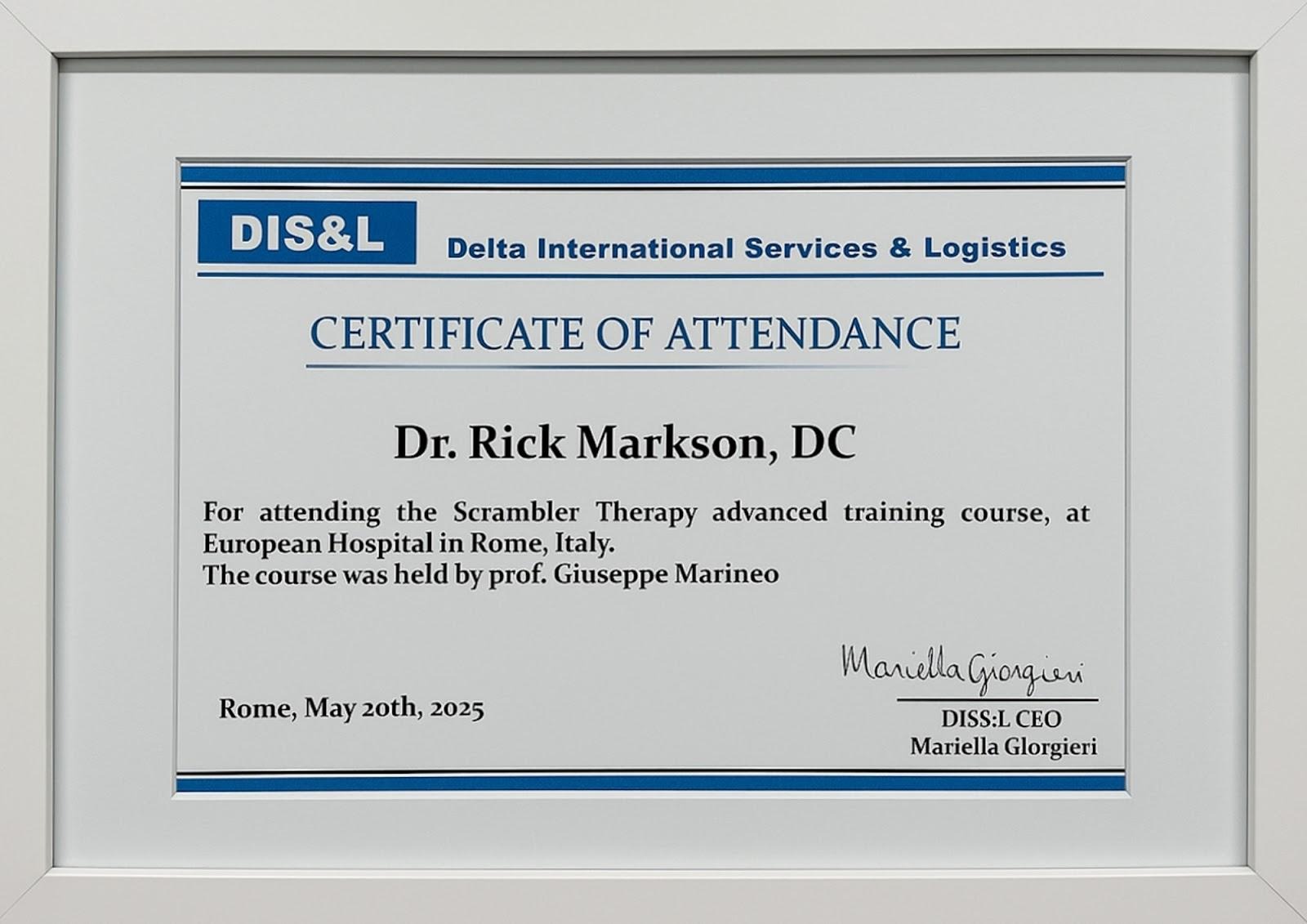
Discover South Florida Scrambler Therapy is one of the nation’s leading clinics for noninvasive chronic pain relief, offering FDA-cleared Scrambler Therapy® for adults and children. Co-founded by Dr. Rick Markson, one of the few practitioners worldwide to receive advanced certification directly from the therapy’s inventor in Rome, our clinic delivers globally recognized expertise with compassionate, personalized care. If you or a loved one is living with treatment-resistant nerve pain, we invite you to schedule a consultation and explore a life beyond pain.
Scrambler Therapy FDA FDA 510(k) database
Scrambler Therapy delivers 80%–90% pain reduction for patients suffering from nerve-related pain.
Pain Physician Journal study on Scrambler Therapy’s effectiveness
Scrambler therapy is a non-invasive, opioid-sparing treatment for chronic pain.
📘 What is scrambler therapy?
📘 What to Expect During a Scrambler Session
📘 CRPS Pain Relief Without Drugs—Real Patient Stories
📘 Conditions that scrambler therapy can treat
This information is educational and does not substitute for medical advice. Outcomes vary. Always consult with a qualified clinician before starting any treatment.
Keep up to date with important news about our clinic and your medical records.



.svg)
.svg)
.svg)