Failed Back Surgery Syndrome: Lasting Relief at Our Clinic
Failed Back Surgery Syndrome (FBSS) is a condition where patients continue to experience chronic pain after spinal surgery. It is not a single diagnosis but rather a collection of symptoms that point to persistent spine pain despite surgical intervention.
FBSS differs from routine post-operative pain because it is long-lasting, often involving nerve root scarring, neurological symptoms, or scar tissue compressing spinal nerves. This condition is also known as post-laminectomy syndrome, especially after decompression surgeries.
Key Characteristics of FBSS:
Feature
Description
Prevalence
Affects 10–40% of post-spinal surgery patients (source: NIH)
Duration
Pain lasting more than 6 months post-surgery
Diagnosis
Based on clinical signs, imaging, and history
Differentiation
Differs from healing pain due to intensity and duration
Our clinic uses diagnostic imaging, including MRI and EMG, to confirm FBSS and differentiate it from temporary recovery pain.
In the next section, we’ll explain what causes FBSS and why some back surgeries fail.
What Causes Failed Back Surgery Syndrome?
FBSS has both mechanical and neuropathic origins. Mechanical causes involve structural instability or hardware failure, while neuropathic sources relate to nerve damage or inflammation.
Common Causes of FBSS:
Surgical Errors:
Improper decompression of nerves
Incomplete removal of disc material
Re-herniation:
The disc may herniate again, pressing on nerves
Epidural Fibrosis:
Scar tissue formation leads to nerve root entrapment
Instability or Facet Joint Issues:
Unstable spinal segments can cause recurrent pain
Hardware Complications:
Fusion implants can fail or become misaligned
Following a discectomy or spinal fusion, FBSS is more common. When pain persists, our clinic evaluates both surgical technique and post-surgical spine condition.
Now that you know the causes, let’s explore the symptoms to watch for.
What Signs of Failed Back Surgery Syndrome Are There?
The hallmark symptom of FBSS is chronic lower back pain that continues after spinal surgery. The damaged nerve roots determine whether the symptoms are confined or spread to the legs.
Common FBSS Symptoms:
Persistent or worsening back or leg pain
Burning or tingling down one leg is an indication of sciatic nerve irritation.
If you notice any of these signs, accurate diagnosis is the next critical step.
How Is Failed Back Surgery Syndrome Diagnosed?
Diagnosing FBSS involves clinical evaluation, imaging studies, and sometimes nerve tests. Our spine specialists aim to identify pain sources rather than treating symptoms blindly.
Tools for Diagnosing FBSS:
MRI or CT scans: Show the disc integrity, hardware location, and scar tissue
Electromyography (EMG): Assesses nerve function
Myelograms: Detects spinal cord compression
Discograms: Evaluates disc-related pain with contrast dye
Our clinic prioritizes diagnostic clarity using axial imaging and thorough assessments before proposing any treatment plan.
After diagnosis, we move to treatment options—both conventional and advanced.
Traditional Treatments for Failed Back Surgery Syndrome
Initial FBSS treatment often involves non-surgical options aimed at pain control. However, these conventional therapies may offer only temporary relief.
Traditional FBSS Treatments:
NSAIDs & Painkillers: Reduce inflammation but carry long-term risks
Opioids: Short-term pain relief, high risk of tolerance and dependence
Corticosteroid Injections: Targeted relief through lumbar injections
Physical Therapy: Rehabilitates the spine and improves mobility
Therapy Type
Limitations
Pain Medications
Do not treat root cause, risk of dependency
Steroid Injections
Temporary effect, multiple rounds may be needed
Nerve Blocks
Short-term numbness, not curative
Physical Therapy
Helpful but limited if nerve compression persists
For patients unresponsive to standard care, modern therapies are often more effective.
What Are the Advanced Treatments for FBSS?
Advanced FBSS treatments address neuropathic pain and structural dysfunctions through minimally invasive techniques. These often provide lasting relief and improve mobility.
Innovative FBSS Solutions:
Spinal Cord Stimulation (SCS):
Uses dorsal column stimulation to block pain signals
Proven to reduce pain by 50% or more in many cases
Stem Cell Therapy:
Promotes regeneration of disc tissue and nerves
Platelet-Rich Plasma (PRP):
Uses growth factors from your own blood for healing
Intrathecal Pumps:
Deliver medication directly into spinal fluid, reducing dosage
Neuromodulation Devices:
Customizable nerve impulse modulation for chronic pain control
Technique
Benefits
Spinal Cord Stimulator
Minimally invasive, adjustable, reversible
PRP Injections
Natural healing, low side effects
Stem Cell Therapy
Cellular regeneration of discs and joints
When Should You Consider Revision Surgery?
Revision spine surgery may help when there’s clear structural damage or hardware failure. But it’s not for every FBSS case.
Indications for Revision Surgery:
Spinal instability visible on imaging
Confirmed hardware malfunction
Severe nerve compression or herniation recurrence
Risks to Weigh:
Higher operative risk
Potential for scar tissue and epidural fibrosis
Lower success rate compared to the first surgery
We conduct thorough surgical reevaluation to assess if anatomical correction is likely to improve your pain.
If surgery isn't the answer, our clinic’s unique approach may offer better results.
Our Clinic’s Multidisciplinary Approach to FBSS
Our clinic delivers personalized, patient-centered care through a team-based model. Each patient benefits from a collaborative treatment pathway combining medical, physical, and psychological support.
Physical Therapist: Focuses on functional recovery
We offer:
Custom treatment plans
Diagnostic precision with cutting-edge imaging
Holistic assessments across multiple disciplines
In the next section, you’ll read how this approach has helped real patients regain control over their lives.
Patient Success Stories and Testimonials
Patients treated at our clinic often experience measurable pain reduction, restored mobility, and a significant improvement in life quality.
Sample Case:
Maria, 52—Former FBSS Patient
Before Treatment: Constant sciatic pain, unable to work
After SCS Implant: 70% less pain, returning to part-time work
Outcome: Pain reduction score improved from 8/10 to 2/10
Real Benefits:
Improved confidence
Better activity levels
Sustainable long-term relief
We invite you to visit our clinic or speak to past patients for first-hand insights.
Now let’s guide you on how to prepare for your first visit.
How to Prepare for Your FBSS Consultation
Before your first appointment, it’s essential to gather medical history and pain documentation to help us design the best care plan.
What to Bring:
Past imaging reports (MRI, CT scans)
Surgical notes from previous procedures
List of medications and therapies attempted
A pain journal detailing location, severity, and triggers
Preparation Checklist:
Referral from primary doctor
Completed intake forms
Insurance card and ID
List of questions and expectations
This preparation improves diagnostic speed and ensures a productive consultation.
Next, we’ll help you understand financial and insurance aspects.
Insurance & Financial Guidance for FBSS Patients
We help patients navigate the often-complicated process of insurance verification and treatment financing.
What We Offer:
Billing code explanations for procedures
Pre-authorization support with insurance providers
Transparent cost breakdown and co-pay estimates
Access to payment assistance plans
Insurance Types Accepted:
Coverage Type
Support Services
Private Insurance
Full verification, pre-approval support
Medicare
Claim filing and coverage explanation
Self-pay
Custom financing options available
Finally, here are the most common questions patients ask about FBSS.
FAQs about Failed Back Surgery Syndrome
How do I know if I have Failed Back Surgery Syndrome?
If pain persists for more than six months post-surgery with neurological symptoms, FBSS is likely.
Can FBSS be cured without more surgery?
Yes, non-surgical treatments like spinal cord stimulation and regenerative therapy can provide relief.
Is spinal cord stimulation safe for FBSS?
Yes, it is FDA-approved, minimally invasive, and reversible.
What is the success rate of treating FBSS?
Spinal cord stimulators offer up to 70% pain relief in suitable candidates.
Can FBSS get worse over time?
Yes, especially if underlying issues like instability or nerve compression persist.
Experiencing Chronic Pain in South Florida?
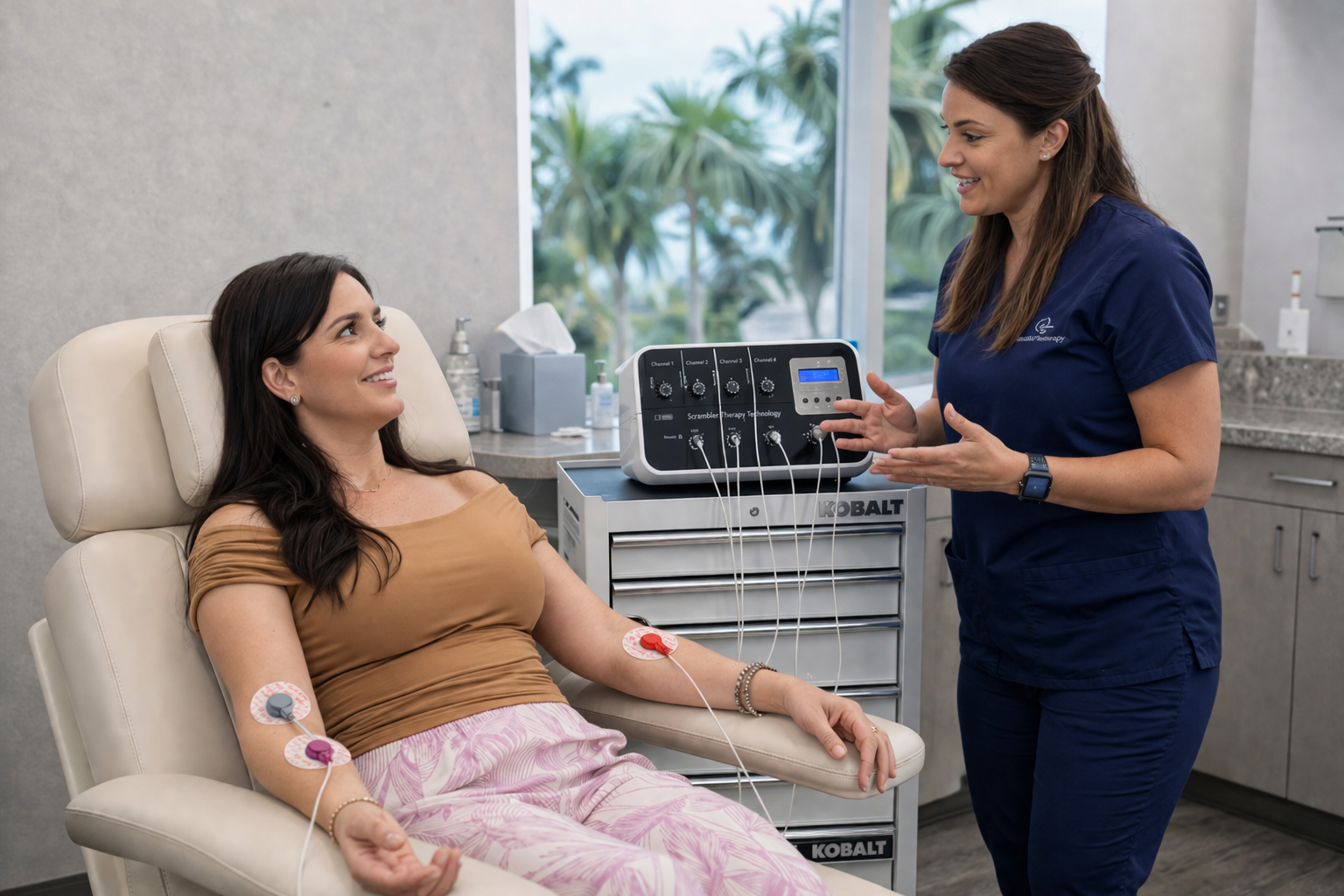
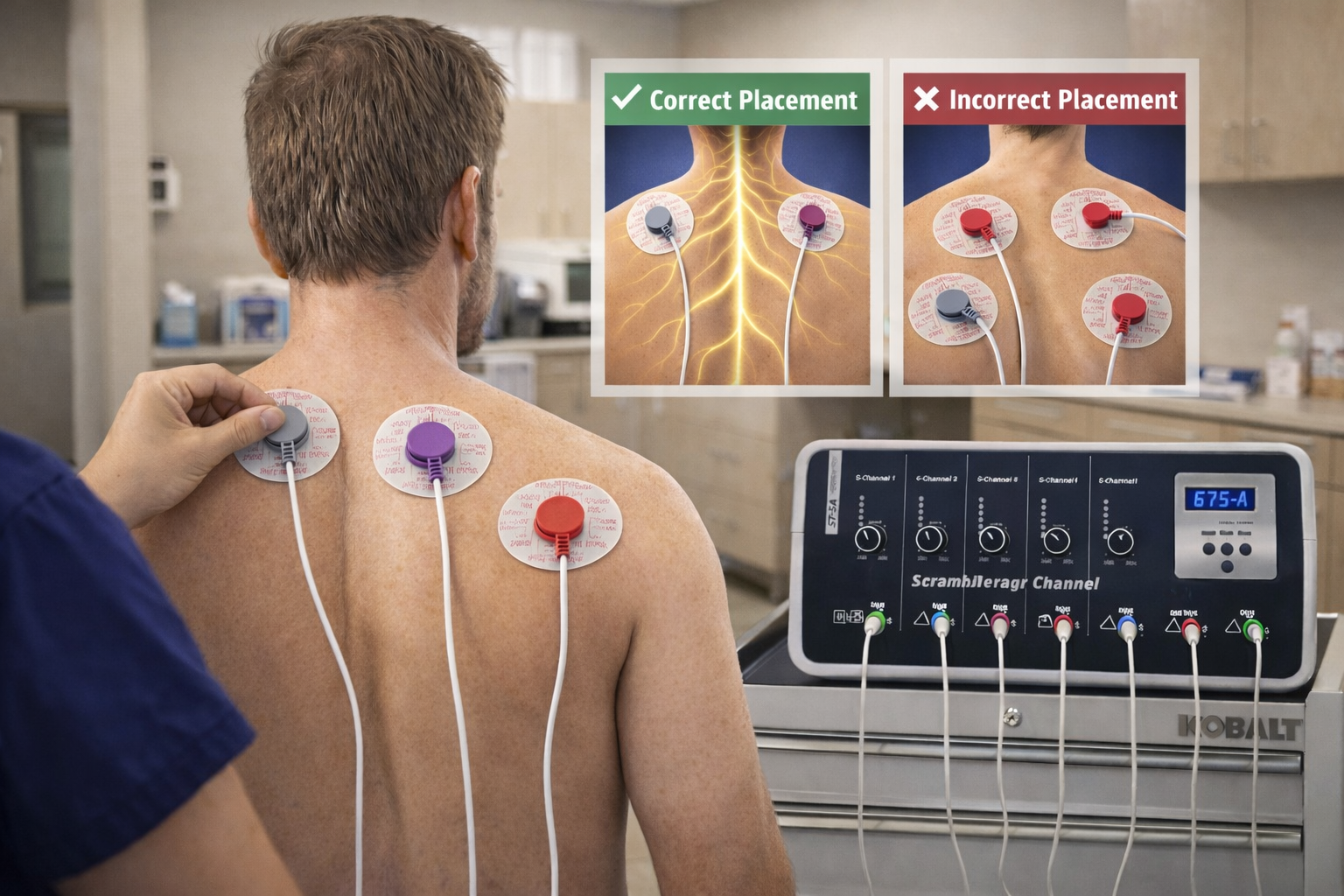
Discover South Florida Scrambler Therapy is one of the nation’s leading clinics for noninvasive chronic pain relief, offering FDA-cleared Scrambler Therapy® for adults and children. Co-founded by Dr. Rick Markson, one of the few practitioners worldwide to receive advanced certification directly from the therapy’s inventor in Rome, our clinic delivers globally recognized expertise with compassionate, personalized care. If you or a loved one is living with treatment-resistant nerve pain, we invite you to schedule a consultation and explore a life beyond pain.
.webp)





.svg)
.svg)
.svg)