.webp)

Scrambler Therapy is a non-invasive method that targets chronic nerve pain, including diabetic neuropathy. Diabetic neuropathy affects over 50% of individuals with diabetes, causing pain, numbness, and sensory loss due to prolonged high blood sugar. Scrambler Therapy, developed as a pain rewire therapy, offers a novel solution by retraining the nervous system’s response to pain. Its emergence as an FDA-cleared option signals a shift in chronic pain management away from pharmacological interventions.
This therapy stimulates sensory nerves with controlled electrical signals. These override the pain signals typically sent to the brain, leading to symptom relief. In diabetic nerve pain cases, it represents a growing alternative to long-term drug use or invasive procedures.
Next, we’ll explore how Scrambler Therapy works and why it’s gaining medical attention.
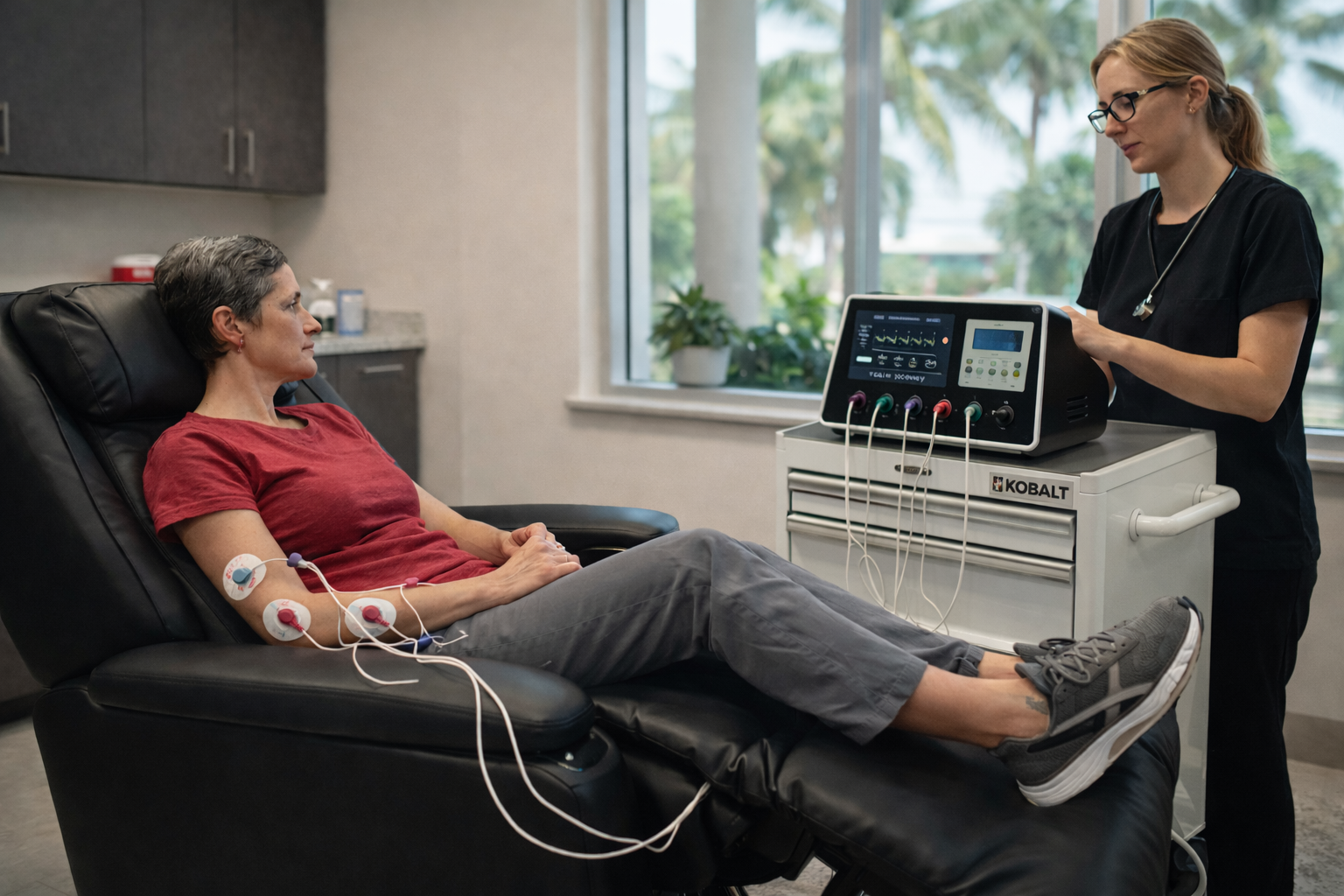
Scrambler Therapy uses the MC-5A device to transmit artificial “non-pain” signals via surface electrodes to the nervous system. Invented by Professor Giuseppe Marineo in Italy, the therapy is grounded in neuroplasticity principles and aims to "scramble" pain signals before they reach the brain. It differs significantly from TENS (Transcutaneous Electrical Nerve Stimulation), which blocks pain perception temporarily. Scrambler Therapy seeks to replace pain coding at the central level.
This mechanism makes it a promising nerve signal therapy for various conditions beyond diabetes, such as chemotherapy-induced neuropathy, post-surgical pain, and lower back disorders.
Coming up: a closer look at diabetic neuropathy and how it affects nerve health.
Diabetic neuropathy results from prolonged hyperglycemia causing nerve damage, often in the feet, legs, and hands. It is categorized into four main types: peripheral, autonomic, proximal, and focal neuropathy. The most common is peripheral neuropathy, responsible for burning pain, tingling, and numbness.
Diabetes nerve damage progresses silently, often starting with minor discomfort and escalating into severe functional impairments or diabetic foot complications. Managing pain without increasing medication load has become crucial.
Next, we look at the clinical outcomes of Scrambler Therapy in diabetic patients.
Research shows Scrambler Therapy leads to significant reductions in pain scores for diabetic neuropathy patients.
In multiple randomized controlled trials (RCTs) and peer-reviewed studies, patients reported consistent relief, sustained over weeks or months.
These results highlight Scrambler Therapy’s potential as a long-term, non-pharmacologic solution for neuropathy pain.
Let’s explore how this pain relief is achieved at the neurobiological level.
Scrambler Therapy rewires pain memory in the brain by modulating incoming nerve signals. Its foundation lies in neuroplasticity—the brain’s ability to reorganize itself based on new input.
This signal override therapy effectively re-educates the central nervous system to respond differently to previously painful stimuli—crucial in treating chronic diabetic nerve pain.
In the next section, we review real patient cases and their reported outcomes.
Patients with diabetic neuropathy report major improvements after multiple sessions of Scrambler Therapy.
Medical journals and anecdotal reports show positive therapy cycles with minimal side effects.
These experiences position Scrambler Therapy as a viable diabetic nerve pain solution for long-term relief.
How does it compare to conventional treatments? See the comparison below.
Scrambler Therapy offers comparable or better outcomes than traditional diabetic neuropathy treatments, with fewer side effects.
Scrambler Therapy stands out as non-invasive, drug-free, and focused on modifying nerve response rather than masking symptoms.
Now, let’s explore where patients can access this treatment and how affordable it is.
Scrambler Therapy is available in specialized clinics across the US, Europe, and Asia, with varying insurance coverage.
Accessibility continues to grow, with more hospitals adopting this therapy in integrative pain care.
What about limitations and criticisms? Let’s assess the evidence.
Some experts express skepticism due to small study sizes, lack of blinding, and unclear long-term effects.
Despite these, most clinical evidence still favors Scrambler Therapy's efficacy for short-to-mid-term pain relief.
Now, let’s see how it fits into broader diabetes care.
Scrambler Therapy should complement, not replace, broader diabetes management strategies.
Combining therapy with lifestyle modifications ensures sustainable results and prevents symptom recurrence.
What’s on the horizon for this innovative therapy?
Ongoing clinical trials and technological upgrades are shaping the next generation of Scrambler Therapy.
Expect continued evolution of Scrambler Therapy in neuropathy treatment pipelines worldwide.
Let’s now address the most common questions patients have.
Most patients experience a 50–90% reduction in pain, with relief lasting several months.
Typically 8–12 sessions over two to three weeks provide optimal results.
Side effects are rare. Some report mild skin irritation from electrode pads.
Relief is often temporary (3–6 months) but can be repeated as needed.
Coverage varies by country and plan. In the U.S., partial coverage is available under specific CPT codes.
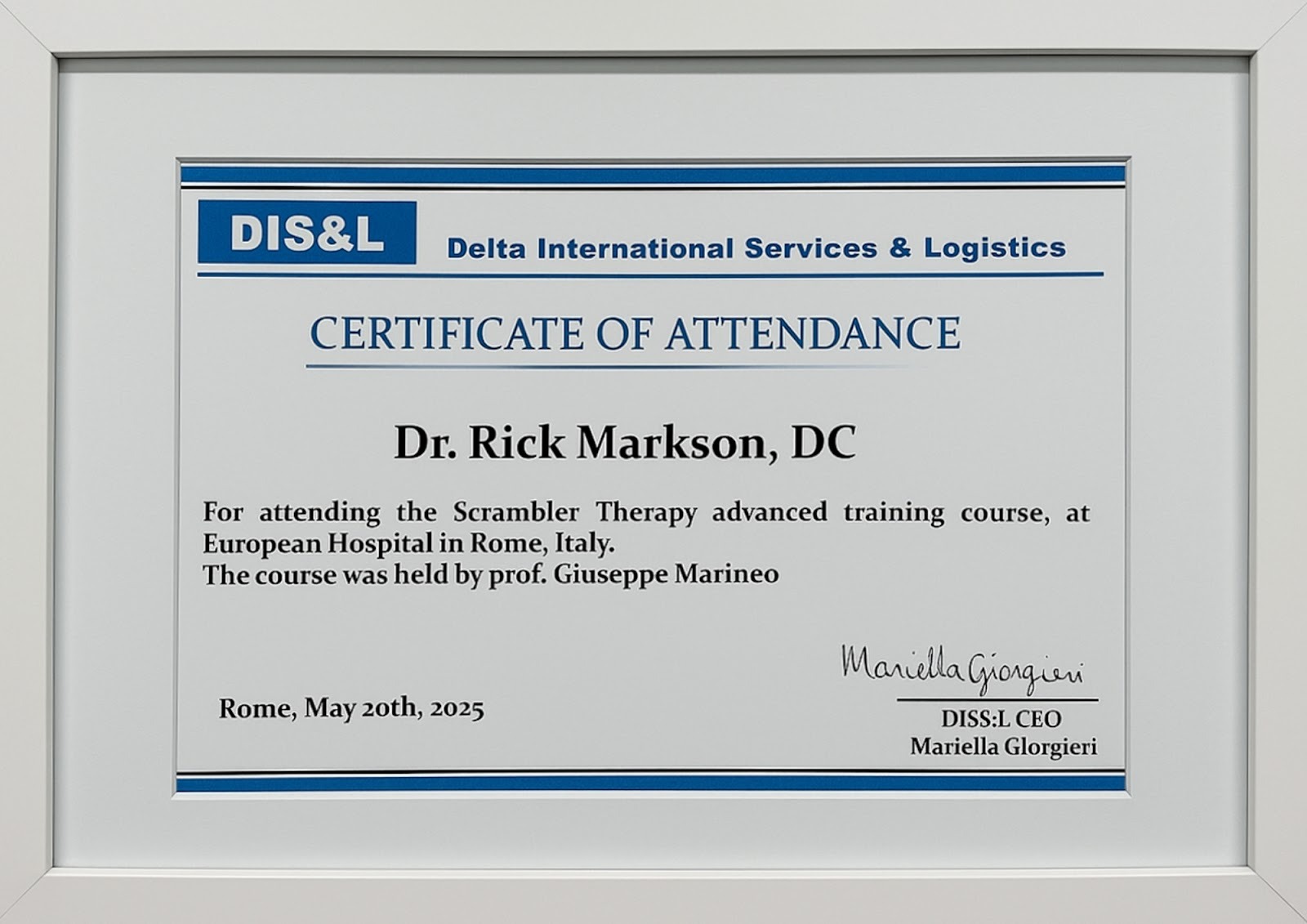
Discover South Florida Scrambler Therapy is one of the nation’s leading clinics for noninvasive chronic pain relief, offering FDA-cleared Scrambler Therapy® for adults and children. Co-founded by Dr. Rick Markson, one of the few practitioners worldwide to receive advanced certification directly from the therapy’s inventor in Rome, our clinic delivers globally recognized expertise with compassionate, personalized care. If you or a loved one is living with treatment-resistant nerve pain, we invite you to schedule a consultation and explore a life beyond pain.
📘 What is scrambler therapy?
📘 What to Expect During a Scrambler Session
📘 CRPS Pain Relief Without Drugs—Real Patient Stories
📘 Conditions that scrambler therapy can treat
Keep up to date with important news about our clinic and your medical records.



.svg)
.svg)
.svg)