.webp)

Chronic pain isn’t just about nerves being damaged—it’s about the brain misfiring pain messages even after the original injury heals. This makes chronic pain a brain-based condition, and that’s where neuroplasticity steps in.
Neuroplasticity refers to the brain's ability to adapt by reorganizing its neural pathways. In cases of chronic pain, the brain can become stuck in a feedback loop, continuously sending pain signals without a real threat. This is known as maladaptive pain processing.
Scrambler Therapy is a non-invasive pain retraining treatment that works by intercepting and rewriting these faulty pain signals. It uses the principles of neuroplastic rewiring to send “non-pain” messages to the brain, effectively retraining the central nervous system (CNS).
You’re about to explore what Scrambler Therapy is, how it interacts with neuroplasticity, and what clinical science says about its effectiveness.
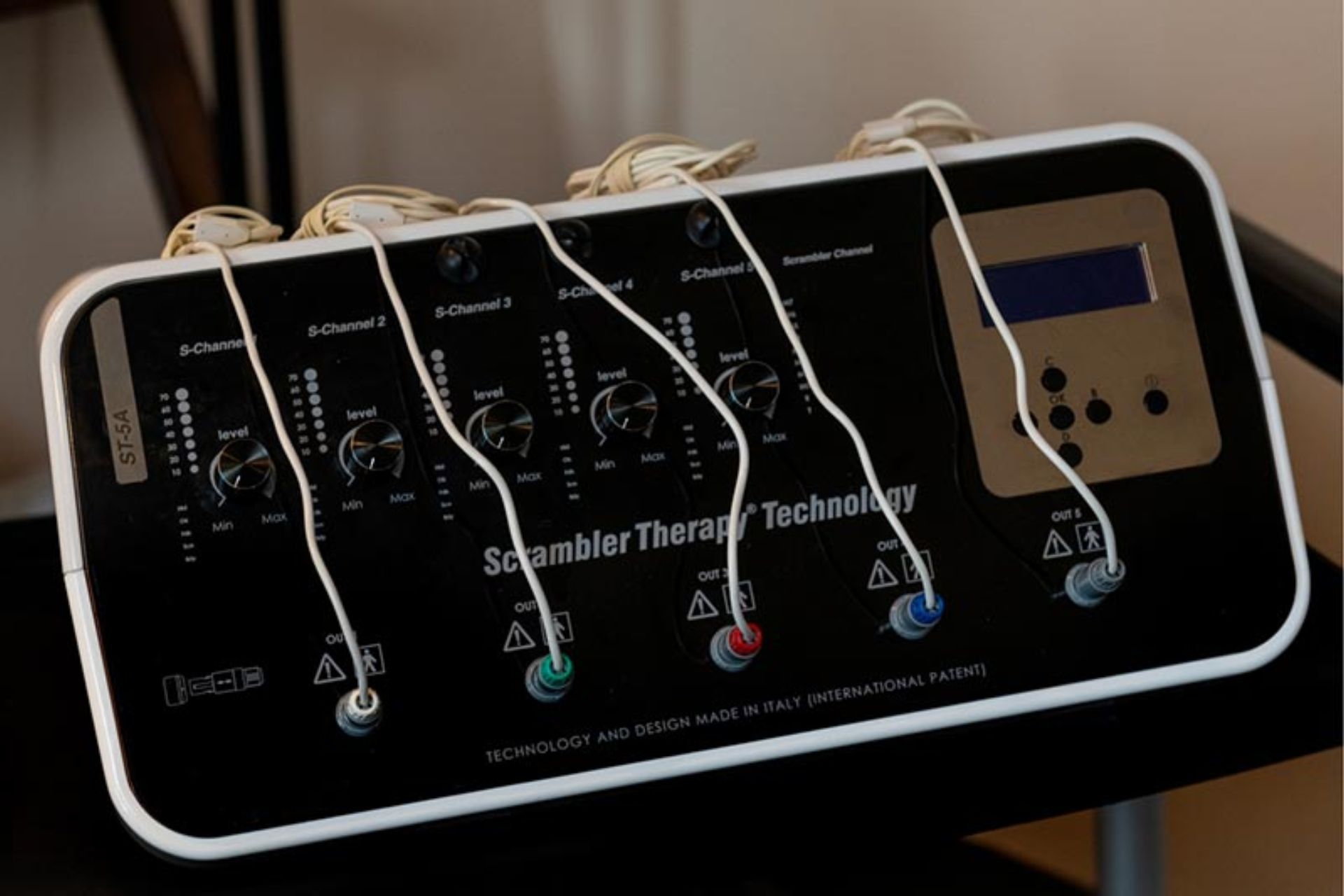
Scrambler Therapy is a type of electrical stimulation therapy developed by Italian scientist Giuseppe Marineo. It uses a device known as the MC-5A, which sends synthetic “non-pain” signals through electrodes placed on the skin near areas of chronic pain.
Unlike TENS units, which merely block pain, Scrambler Therapy confuses or ‘scrambles’ the pain message by replacing it with synthetic normal signals. This process is known as signal substitution and relies on neuro-interface stimulation.
Next, let’s look at the science of how neuroplasticity connects to chronic pain—and how it supports treatments like Scrambler Therapy.
Neuroplasticity is the nervous system’s ability to form new connections and reorganize existing ones. In chronic pain, this adaptability becomes counterproductive.
Neuroadaptation means the brain gets used to sending pain signals even when there’s no actual threat, forming a maladaptive memory of pain.
Therapies like Scrambler aim to reverse these effects by leveraging plasticity in a positive way.
Now let’s explore how exactly Scrambler Therapy taps into this process.
Scrambler Therapy takes advantage of the brain’s plastic potential to override chronic pain. Instead of blocking the pain, it replaces pain signals with normal sensory messages using the same neural pathways.
As sessions continue, patients report a gradual sensory remapping—pain fades and is replaced by sensations of warmth, tingling, or nothing at all. These are signs of functional reorganization in the CNS.
Neurotransmitter balance is also affected. There’s a decrease in pro-inflammatory signals and an increase in calming neuromodulators like GABA.
In the next section, you’ll see how clinical trials confirm these neuroplastic effects with real-world data.
Multiple clinical studies and real-world reports support Scrambler Therapy’s ability to reduce chronic pain by modifying brain responses.
Scrambler Therapy is often compared to TENS (Transcutaneous Electrical Nerve Stimulation). Unlike TENS, which blocks pain temporarily, Scrambler reprograms pain perception for long-term benefit.
Additional reports also show improved quality of life scores and decreased reliance on pain medications, indicating its potential as a non-opioid pain management solution.
Now let’s see which chronic pain conditions respond best to this neuroplastic rewiring.
Scrambler Therapy has shown positive outcomes in multiple chronic pain syndromes, especially those driven by nerve damage and central sensitization.
As you can see, Scrambler Therapy is especially effective where pain has become centralized in the nervous system.
Next, we’ll answer the most common questions people have before starting Scrambler Therapy.
Yes. Scrambler Therapy is FDA-cleared and has a strong safety profile. It’s non-invasive, with no drugs or surgery involved.
Most patients need 10–12 sessions, typically done over 2 weeks. Some cases may require maintenance therapy every few months.
No. TENS blocks pain temporarily, while Scrambler replaces and retrains pain signals through targeted neural rewiring.
Yes. Studies on peripheral neuropathy and neuropathic pain show Scrambler Therapy can retrain nerve signals, improving sensation and reducing pain.
Pain relief can last weeks to months. Neuroplastic gains depend on condition severity and treatment consistency. Some patients report long-term remission.
Reported side effects are minimal, mostly temporary skin tingling or redness where electrodes are applied.
Patients describe the sensation as mild tingling or warmth. It’s not painful and often replaces the feeling of chronic pain during treatment.
It’s not recommended for:
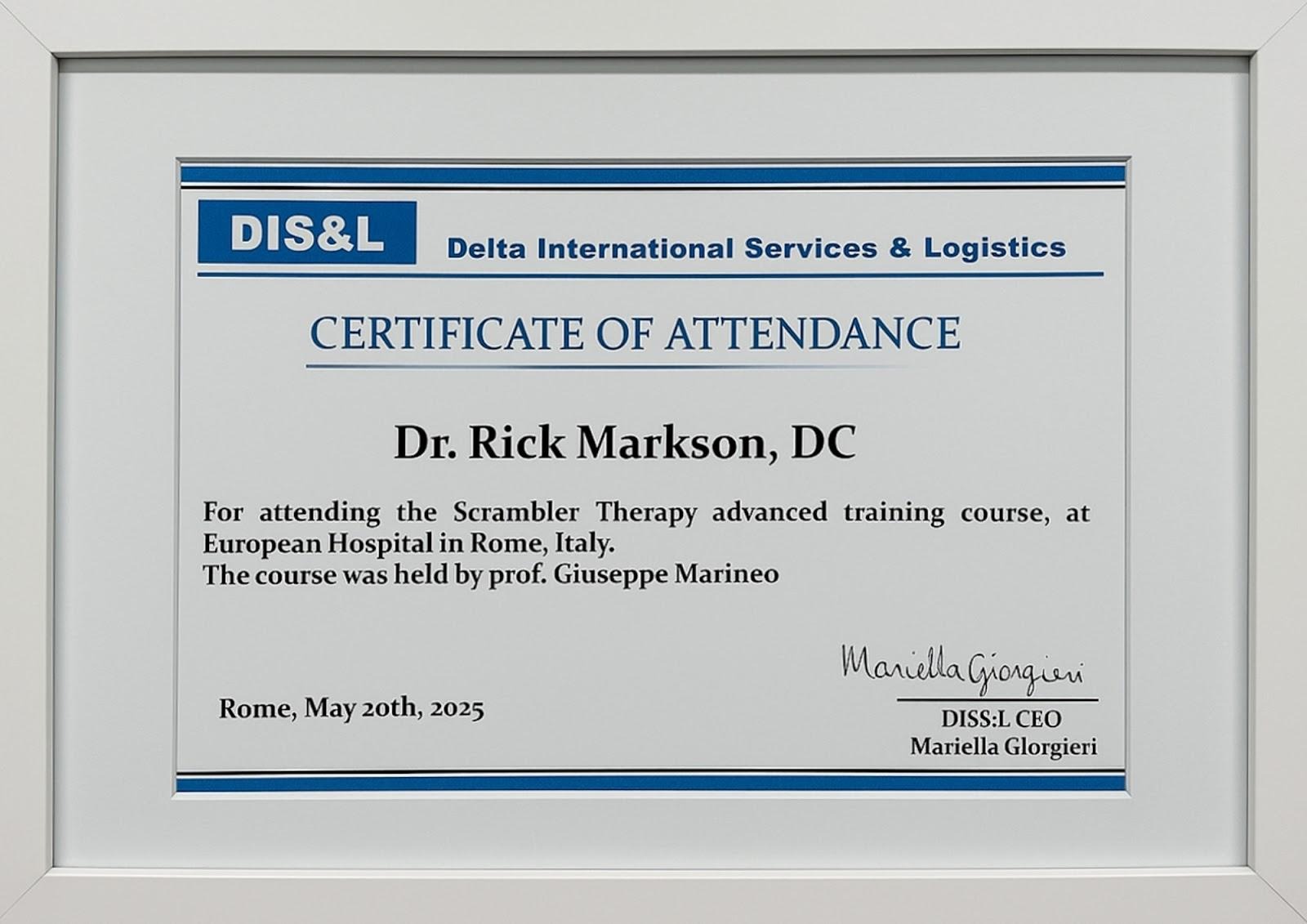
Discover South Florida Scrambler Therapy is one of the nation’s leading clinics for noninvasive chronic pain relief, offering FDA-cleared Scrambler Therapy® for adults and children. Co-founded by Dr. Rick Markson, one of the few practitioners worldwide to receive advanced certification directly from the therapy’s inventor in Rome, our clinic delivers globally recognized expertise with compassionate, personalized care. If you or a loved one is living with treatment-resistant nerve pain, we invite you to schedule a consultation and explore a life beyond pain.
📘 What is scrambler therapy?
📘 What to Expect During a Scrambler Session
📘 CRPS Pain Relief Without Drugs—Real Patient Stories
📘 Conditions that scrambler therapy can treat
Keep up to date with important news about our clinic and your medical records.

.jpeg)


.svg)
.svg)
.svg)