.webp)
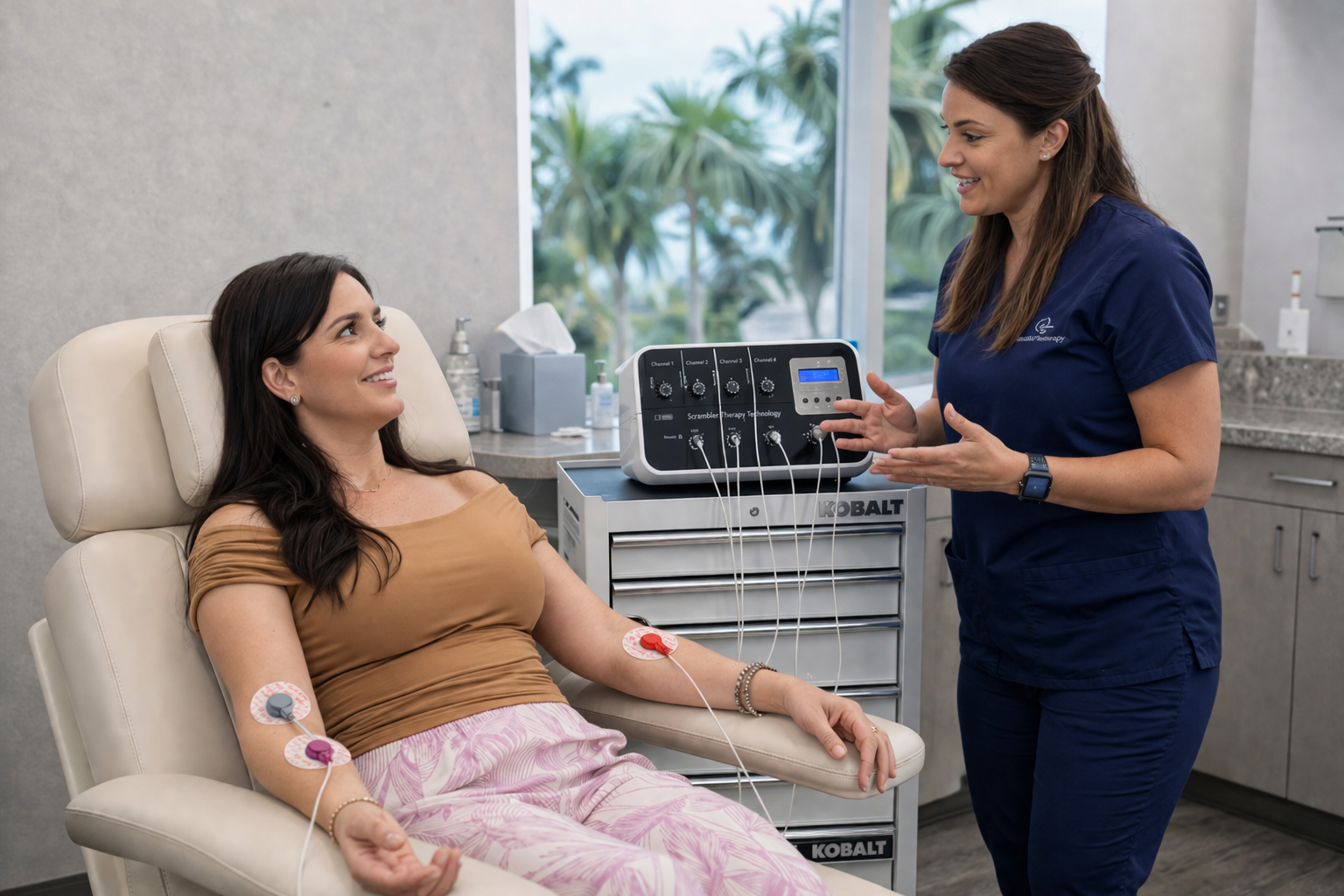
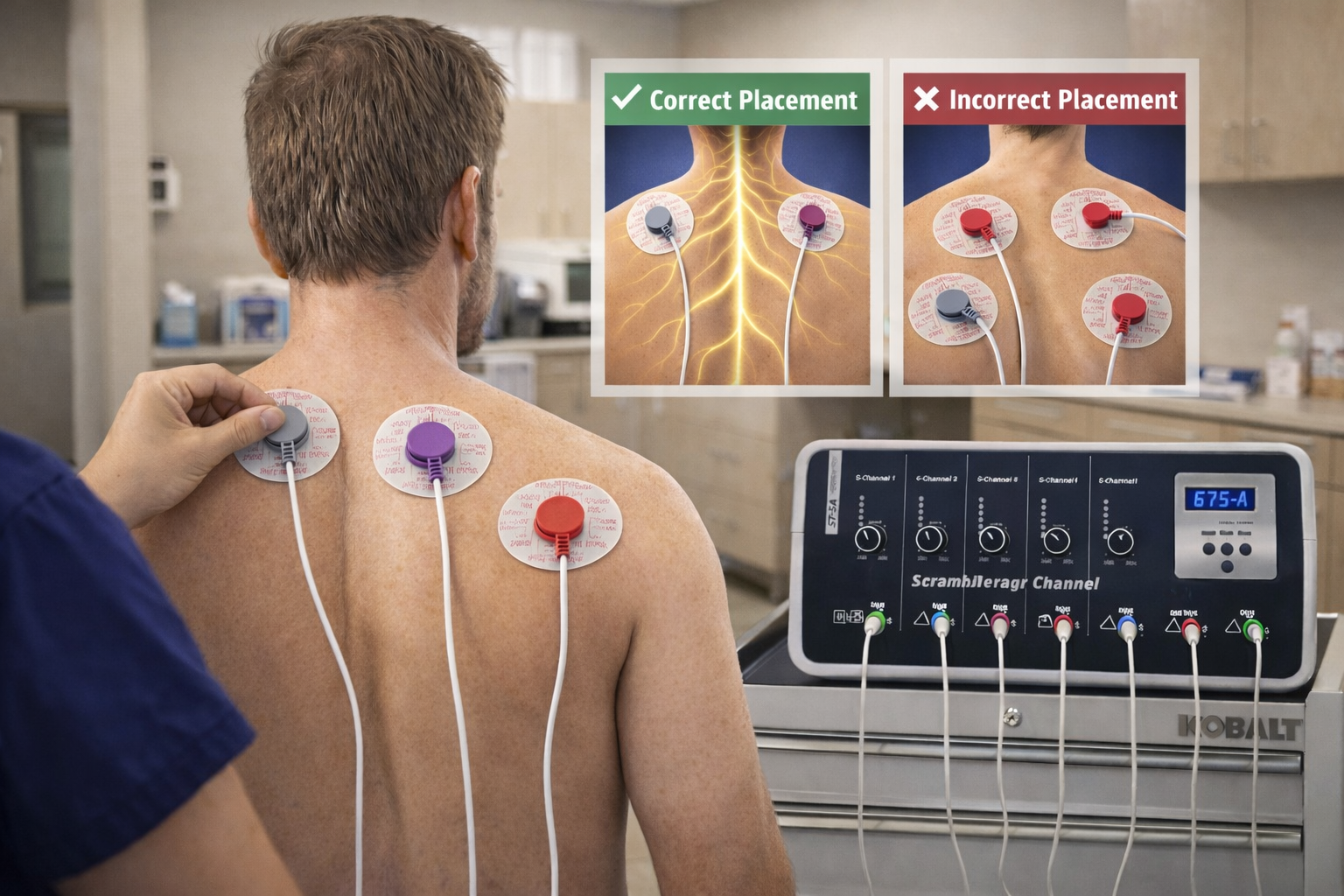
Scrambler Therapy reprograms pain signals through non-invasive electrostimulation. It uses electrical pulses to send "non-pain" information to the brain, overriding faulty pain messages from damaged nerves. This disrupts chronic pain signaling without drugs or invasive procedures.
Unlike TENS units or traditional electrotherapy, Scrambler Therapy actively retrains nerve pathways instead of blocking signals temporarily. The device targets pain receptors and nociceptors through surface electrodes, modulating spinal cord activity and the somatosensory system.
In the next section, we explore why maintaining pain relief after Scrambler Therapy is crucial for long-term recovery.
Pain can return if neural pathways aren’t stabilized. While Scrambler Therapy disrupts chronic pain signals, the brain’s pain memory and neuroplasticity can potentially rebuild maladaptive circuits if left unchallenged.
In the next section, we cover daily lifestyle adjustments that support your recovery and prevent pain from returning.
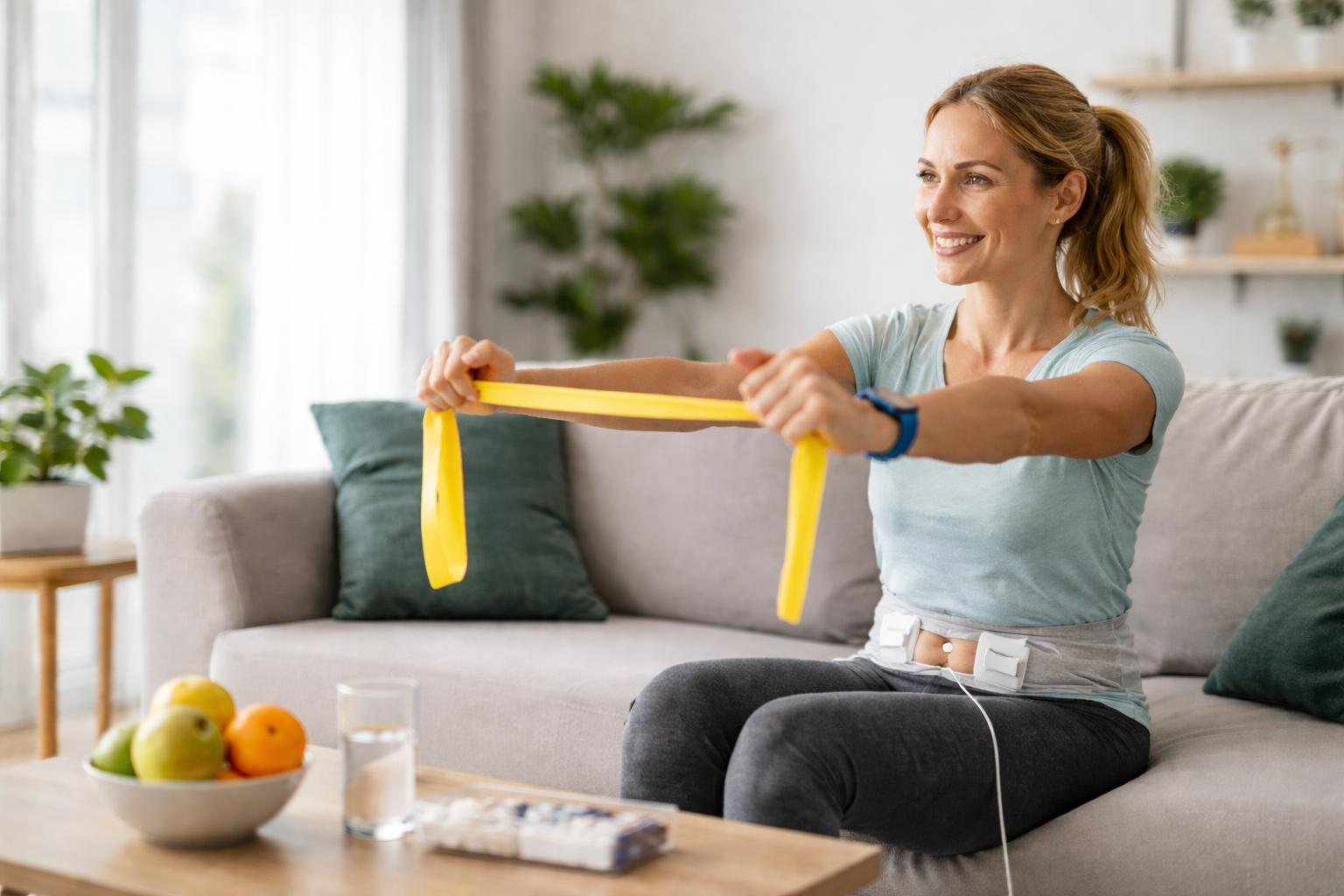
Post-therapy success heavily relies on lifestyle habits that reduce physical stress and inflammation. Movement, ergonomics, and sleep are pillars of long-term recovery after Scrambler Therapy.
🧘♂️ Regular movement: Walking, stretching, or low-impact exercise improves circulation and reduces stiffness.
🛌 Sleep hygiene: Following a consistent bedtime supports the circadian rhythm and pain repair.
🍽️ Anti-inflammatory diet: Omega-3s, turmeric, and leafy greens reduce systemic inflammation.
🪑 Ergonomic support: Proper posture and workspace alignment prevent musculoskeletal strain.
🧍 Core strengthening: Builds body mechanics and spine support.
Next, we examine the role of mind-body therapies in preventing the return of chronic pain.
Mindfulness-based interventions reduce pain perception and increase mental resilience. Chronic pain is deeply connected to emotional and cognitive processing, and these techniques help rewire the brain’s stress response.
🧠 Cognitive Behavioral Therapy (CBT): Challenges catastrophic thinking and reduces fear-avoidance behavior.
🧘 Mindfulness meditation: Enhances cortical rewiring and parasympathetic activation.
🌬️ Breathing techniques: Activate the vagus nerve to lower pain sensitivity.
🖼️ Guided imagery: Distracts and desensitizes the pain-processing centers.
🧪 Biofeedback: Teaches voluntary control over muscle tension and stress markers.
Let’s look at how professional follow-ups can reinforce these benefits.
A pain management team provides structure, oversight, and personalized adjustments. Scrambler Therapy outcomes improve when combined with ongoing care by specialists who understand the condition’s complexity.
🧑⚕️ Rehabilitation physicians: Customize physical plans based on recovery stage.
🧠 Pain psychologists: Address emotional drivers of chronic pain.
📱 Telehealth teams: Offer remote monitoring and follow-up.
👩🔬 Neurologists: Assess nerve function and reactivity.
🧑🏫 Health coaches: Encourage lifestyle consistency and therapy adherence.
We now explore complementary therapies that extend Scrambler Therapy benefits.
Safe, non-invasive complementary therapies can maintain results and support healing. These practices reduce muscle tension, improve circulation, and activate natural pain modulators like endorphins.
Chiropractic care: Realigns joints to improve nerve flow.
Yoga: Builds flexibility and calms the nervous system.
Aromatherapy: Essential oils like lavender reduce tension.
Acupuncture: Targets trigger points and pain pathways.
Supplements: Magnesium, vitamin D, and turmeric support nerve function.
Next, we answer the most common questions about post-Scrambler Therapy relief.
Relief typically lasts several weeks to months. Results depend on nerve damage severity, condition chronicity, and lifestyle factors.
Yes, especially without maintenance therapy or healthy habits. The relapse risk is lower when neural pathways are continuously challenged.
Avoid physical overexertion, prolonged inactivity, and stress triggers. These can reactivate the pain circuitry.
Yes, booster sessions are common. Clinical protocols recommend evaluating response curves and waiting several months before repeating.
Use lifestyle changes, physical therapy, mind-body techniques, and professional follow-ups for long-term control.
Next, we explain how brain rewiring (neuroplasticity) plays a central role in chronic pain maintenance.
Neuroplasticity is the brain’s ability to rewire itself. Chronic pain alters cortical mapping and reinforces pain signals. Scrambler Therapy interrupts this cycle, allowing for new, healthy sensory interpretations.
Desensitization: Repeated exposure to safe stimuli lowers pain sensitivity.
Cognitive reframing: Reshapes pain expectations and reactions.
Sensory reprogramming: Introduces new inputs to replace harmful signals.
Amygdala downregulation: Reduces emotional amplifiers of pain.
Next, we examine how tracking pain patterns can improve outcomes.
Pain tracking helps detect flare-up patterns and informs better decisions. Using a pain journal or digital tracker can reveal trends in activity, mood, or diet that influence pain levels.
📓 Paper journals: Log pain intensity, triggers, relief techniques.
📱 Mobile apps: Use AI to correlate symptoms and behaviors.
⌚ Wearables: Track sleep, movement, and heart rate variability.
🧾 Behavioral logs: Document emotional states and coping responses.
Let’s now look at when it's appropriate to repeat Scrambler Therapy.
Booster treatments are safe and often effective when pain returns. The decision depends on the recurrence pattern, treatment interval, and patient response history.
In the next section, real patient stories and expert opinions illustrate what maintaining relief really looks like.
Patients report significant improvements in daily life, function, and emotional well-being. Doctors emphasize the importance of a personalized, multi-faceted approach to maintaining relief.
👨⚕️ “Scrambler therapy alters the way the brain perceives pain. But maintaining relief requires movement, mindset, and monitoring.” – Dr. Elise D., Pain Specialist
Finally, we review how diet and nutrition play a role in inflammation and nerve pain.
Anti-inflammatory nutrition reduces pain sensitivity by modulating biochemical responses. Certain foods stabilize nerve signals and prevent flare-ups.
🐟 Omega-3s: Reduce cytokine activity and improve nerve function.
🌿 Turmeric (curcumin): Lowers oxidative stress.
🥦 Cruciferous vegetables: Support detoxification and inflammation control.
💧 Hydration: Flushes inflammatory waste and maintains disc hydration.
🚫 Avoid processed sugar: Triggers free radicals and inflammation spikes.
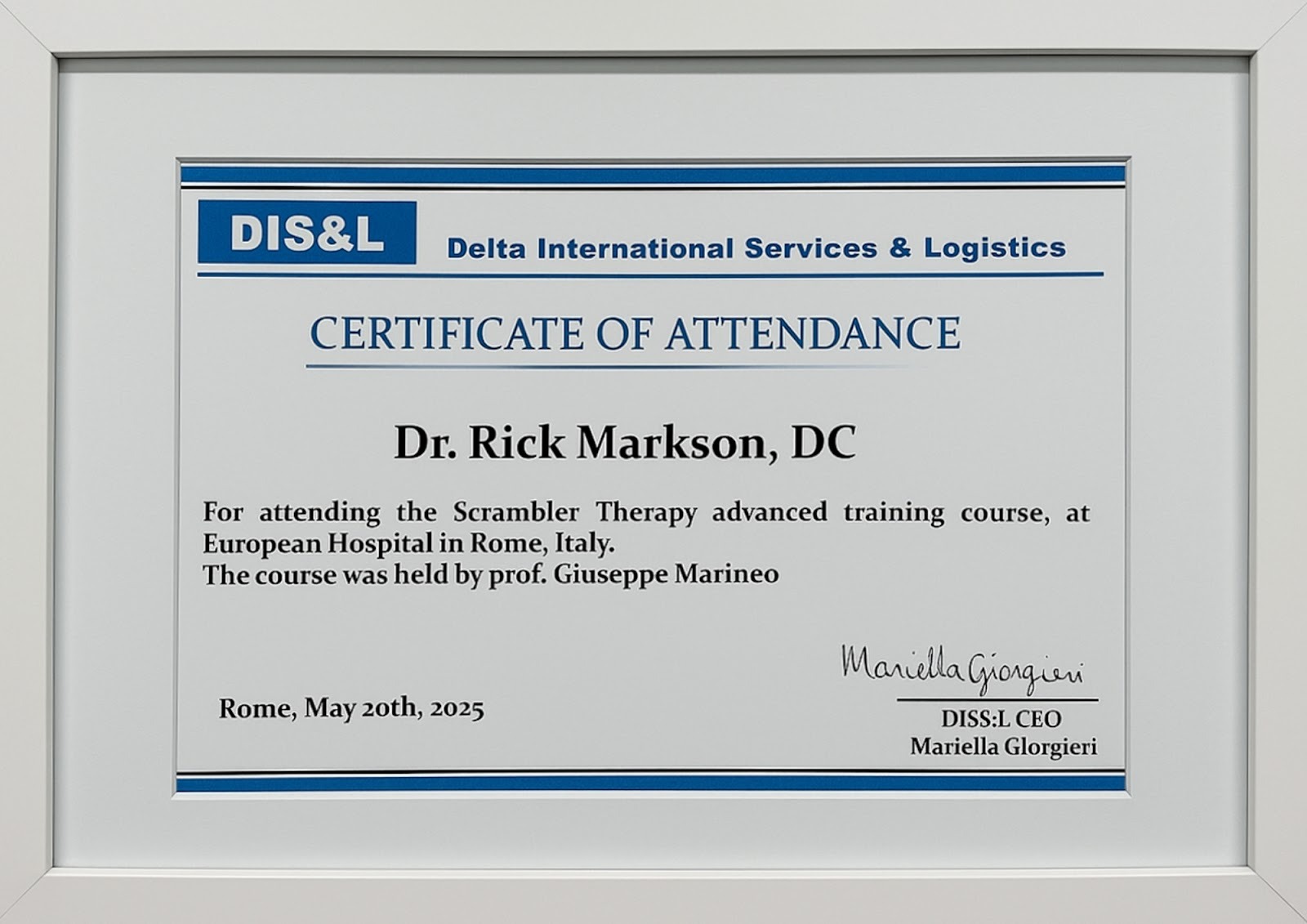
Discover South Florida Scrambler Therapy is one of the nation’s leading clinics for noninvasive chronic pain relief, offering FDA-cleared Scrambler Therapy® for adults and children. Co-founded by Dr. Rick Markson, one of the few practitioners worldwide to receive advanced certification directly from the therapy’s inventor in Rome, our clinic delivers globally recognized expertise with compassionate, personalized care. If you or a loved one is living with treatment-resistant nerve pain, we invite you to schedule a consultation and explore a life beyond pain.
📘 What is scrambler therapy?
📘 What to Expect During a Scrambler Session
📘 CRPS Pain Relief Without Drugs—Real Patient Stories
📘 Conditions that scrambler therapy can treat
Keep up to date with important news about our clinic and your medical records.



.svg)
.svg)
.svg)