.webp)

Lifestyle significantly influences the effectiveness of Scrambler Therapy.
Scrambler Therapy aims to retrain nerve signals to reduce chronic pain. However, daily habits—such as diet, sleep, exercise, stress levels, and hydration—can either enhance or hinder its effects.
Behavioral choices impact pain modulation.
Patient compliance, emotional resilience, and treatment consistency affect how well the nervous system responds to therapy. The brain learns to reinterpret pain signals more efficiently when supported by healthy routines and a stable physiological environment.
Next, we explain how Scrambler Therapy works and how lifestyle integrates with its mechanism.
Scrambler Therapy interrupts chronic pain signals through electrostimulation.
It uses FDA-cleared devices that deliver electrical pulses to override nociceptor (pain receptor) signals and reprogram nerve communication. Unlike TENS, Scrambler Therapy simulates normal nerve input, not just blocking pain.
Neural reprogramming requires consistency and system support.
Scrambler Therapy effectiveness depends on how well your nervous system can adapt. Lifestyle plays a role in optimizing this adaptive process—referred to as neuroplasticity. Neural pathways heal faster when inflammation, stress, and fatigue are minimized.
Session Duration: Most protocols involve 10–12 sessions, with each lasting 30–45 minutes. Consistent attendance and lifestyle alignment maximize pain relief duration.
Next, we explore how your nutrition choices can amplify therapy effects.
Anti-inflammatory diets reduce nerve irritation and support healing.
Inflammation affects pain sensitivity and signal transmission. Nutrition directly influences cytokine levels and immune modulation, which are central to chronic pain.
Avoid high-sugar and ultra-processed foods
These increase inflammation markers like CRP and interfere with pain management.
Nutrient timing matters.
Eating balanced meals around therapy sessions can improve energy levels and cognitive responsiveness to neural retraining.
Next, we look at movement and its effect on Scrambler Therapy success.
Low-impact movement improves nerve health and therapy outcomes.
Exercise increases blood flow, enhances oxygen delivery to tissues, and supports neuroplastic changes. It reduces muscle tension, promotes proprioception, and triggers endorphins—natural painkillers.
Movement schedules should align with energy levels.
Exercise too soon after a session may fatigue the nervous system. Optimal time: 4–6 hours post-treatment.
Next, we review how sleep patterns influence Scrambler Therapy outcomes.
Deep sleep enhances neuroregeneration and pain reduction.
During REM and slow-wave sleep, the body releases growth hormones, supports tissue repair, and consolidates new neural pathways—crucial for the success of nerve retraining.
Poor sleep increases pain sensitivity and delays recovery by elevating inflammation and disrupting autonomic balance.
Next, we look at how stress control affects Scrambler Therapy.
Chronic stress increases sympathetic activation and disrupts therapy response.
High cortisol levels interfere with nerve signaling and pain modulation. Stress contributes to the stress-pain loop, making therapy less effective.
Regular practice improves autonomic balance, which supports the body’s ability to interpret therapy inputs correctly.
Next, we discuss hydration and detox support during therapy.
Water intake directly affects nerve function and detoxification.
Hydration facilitates cellular signaling, electrolyte balance, and metabolic waste removal—all essential for healthy nerve communication.
Proper hydration reduces inflammatory by-products, enhances lymphatic drainage, and supports therapy-induced neural reprogramming.
Next, we explore how tracking your progress improves therapy effectiveness.
Tracking helps identify therapy response curves and optimize adjustments.
Monitoring symptoms offers feedback on what’s working and what needs modification.
Trend identification helps clinicians adjust the treatment plan, enhancing personalization and success rates.
Next, we look at the emotional and social factors influencing therapy results.
Positive mindset and social support increase Scrambler Therapy success.
Emotional resilience, optimism, and caregiver involvement create a healing environment. Self-efficacy plays a key role in compliance and motivation.
Patients with strong support systems show higher engagement and lower dropout rates.
Next, we look at complementary therapies that enhance results.
Holistic treatments enhance the physiological and emotional readiness for Scrambler Therapy.
Integrative approaches enhance neural receptivity and create optimal conditions for nerve reprogramming.
Next, we highlight mistakes that could reduce Scrambler Therapy effectiveness.
Inconsistency and unhealthy habits can counteract therapy gains.
Therapy noncompliance can lead to regression, flare-ups, and longer recovery timelines.
Now, we answer the most common questions about Scrambler Therapy.
Most patients feel noticeable relief by session 4–5, with full benefits after 10–12 sessions.
Yes, but stick to low-impact exercises like walking, yoga, or stretching.
Yes. Anti-inflammatory foods such as salmon, berries, and turmeric reduce pain signals and enhance nerve healing.
It is most effective for neuropathic and nerve-related pain, such as diabetic neuropathy, CRPS, and chemotherapy-induced pain.
Track your pain levels, sleep quality, and mobility in a symptom journal to monitor changes session by session.
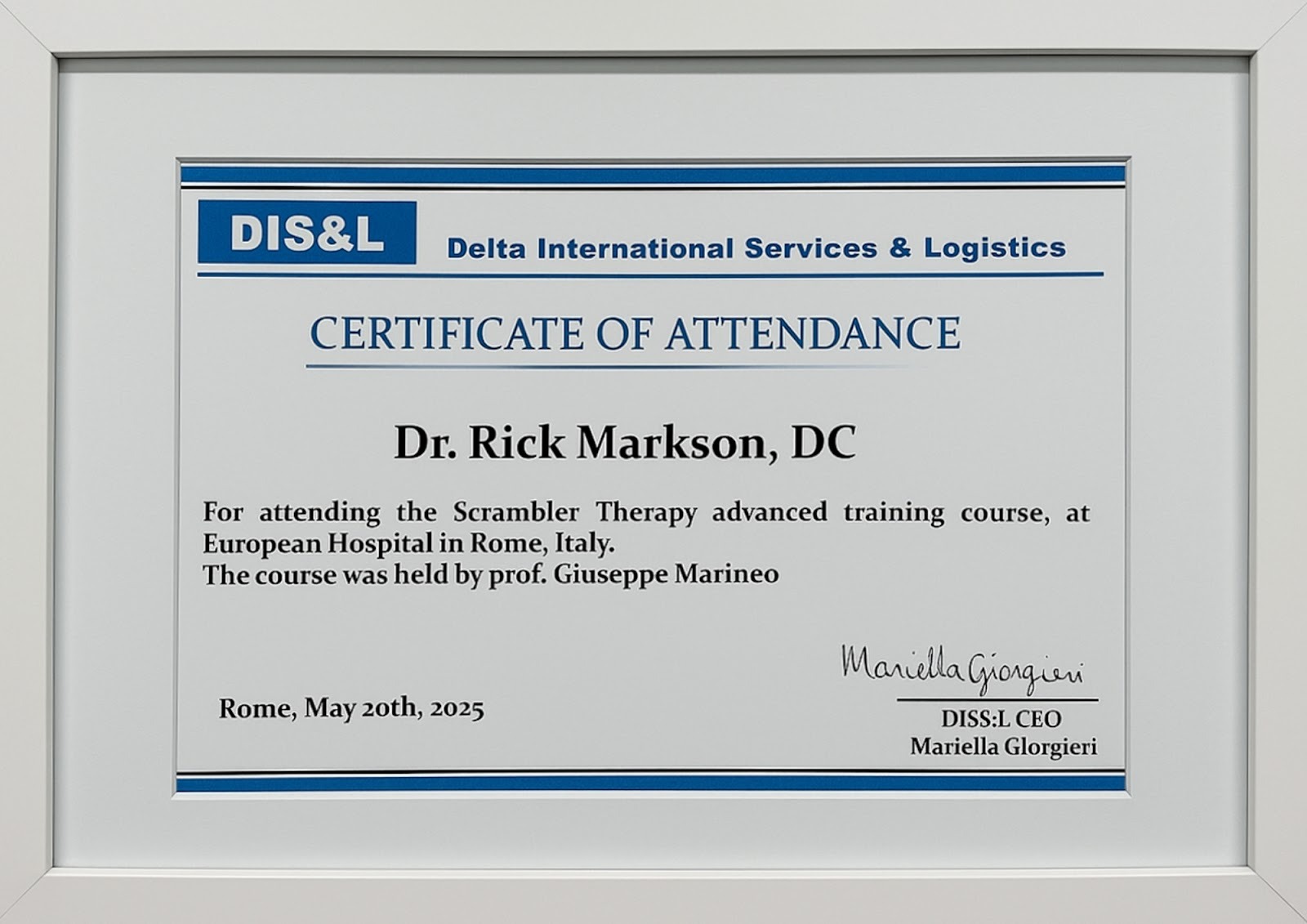
Discover South Florida Scrambler Therapy is one of the nation’s leading clinics for noninvasive chronic pain relief, offering FDA-cleared Scrambler Therapy® for adults and children. Co-founded by Dr. Rick Markson, one of the few practitioners worldwide to receive advanced certification directly from the therapy’s inventor in Rome, our clinic delivers globally recognized expertise with compassionate, personalized care. If you or a loved one is living with treatment-resistant nerve pain, we invite you to schedule a consultation and explore a life beyond pain.
📘 What is scrambler therapy?
📘 What to Expect During a Scrambler Session
📘 CRPS Pain Relief Without Drugs—Real Patient Stories
📘 Conditions that scrambler therapy can treat
Keep up to date with important news about our clinic and your medical records.




.svg)
.svg)
.svg)