.webp)

Pediatric nerve pain, also called neuropathic pain, occurs when the nervous system sends pain signals even without ongoing injury. This type of pain feels different from a sprain or bruise and may be described as:
Unlike adult neuropathy, which is often linked to diabetes, nerve pain in children more commonly develops after:
Children’s nervous systems are still developing, which can influence how pain is processed and how recovery occurs.
Pediatric nerve pain may be associated with:
Clear communication helps your child’s pediatric pain specialist identify patterns.
Bring a simple pain journal including:
It can be confusing and frustrating when your child’s pain persists without clear imaging findings. Reassuring your child that their pain is real and deserves careful evaluation is an important first step.
Pediatric nerve pain is often diagnosed based on a detailed medical history and neurological examination rather than imaging alone.
Your provider may recommend:
In suspected cases of Complex Regional Pain Syndrome (CRPS), providers may use established clinical criteria (such as the Budapest criteria) to guide diagnosis.
In some cases, nerve conduction studies may be considered.
Treatment often involves a multidisciplinary approach. Many pediatric pain programs also incorporate occupational therapy and school reintegration planning to support full functional recovery.
Supports gradual movement restoration and desensitization.
Cognitive behavioral strategies can help children cope with persistent pain.
Depending on age and diagnosis, options may include:
Medication decisions should always follow pediatric specialist guidance.
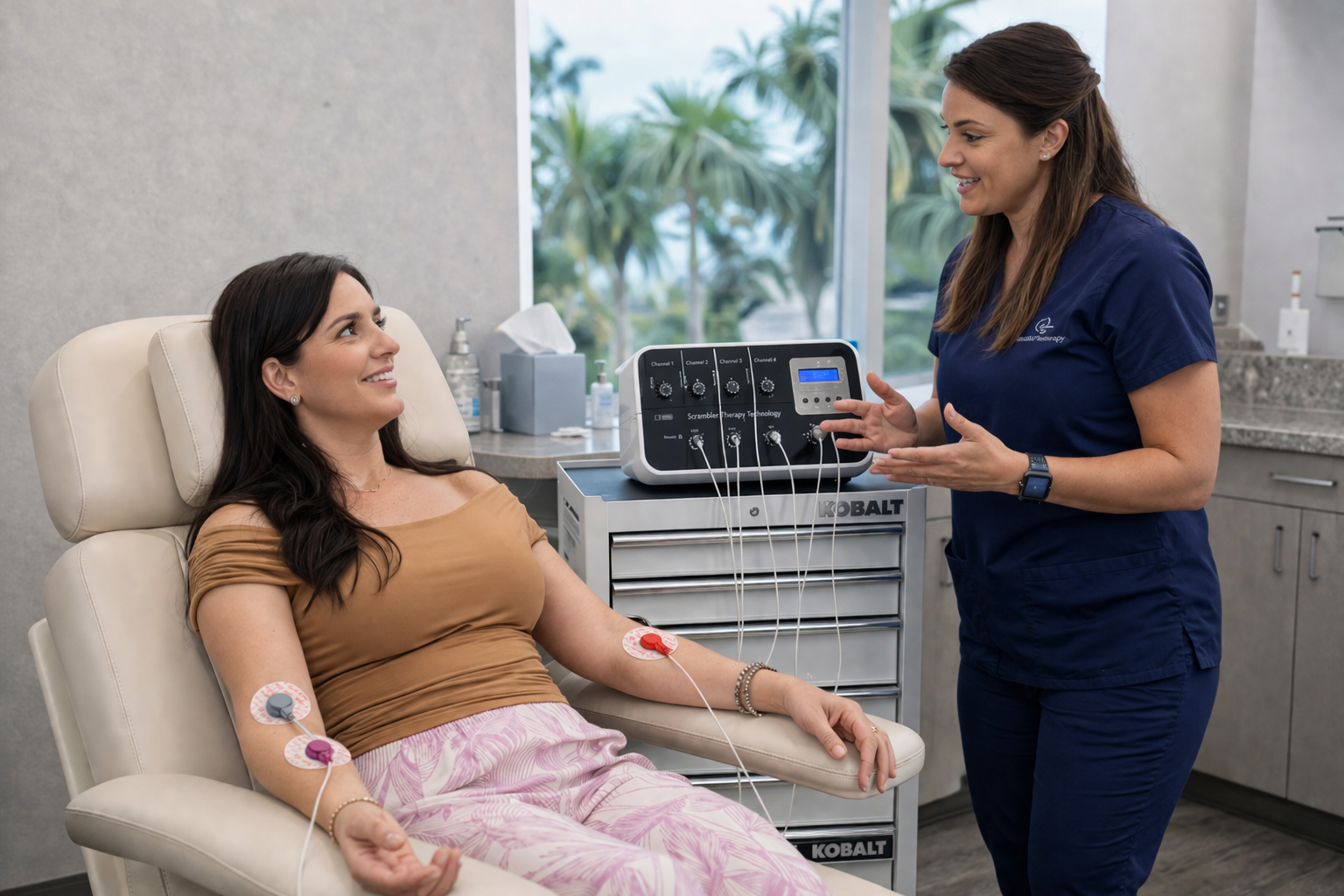
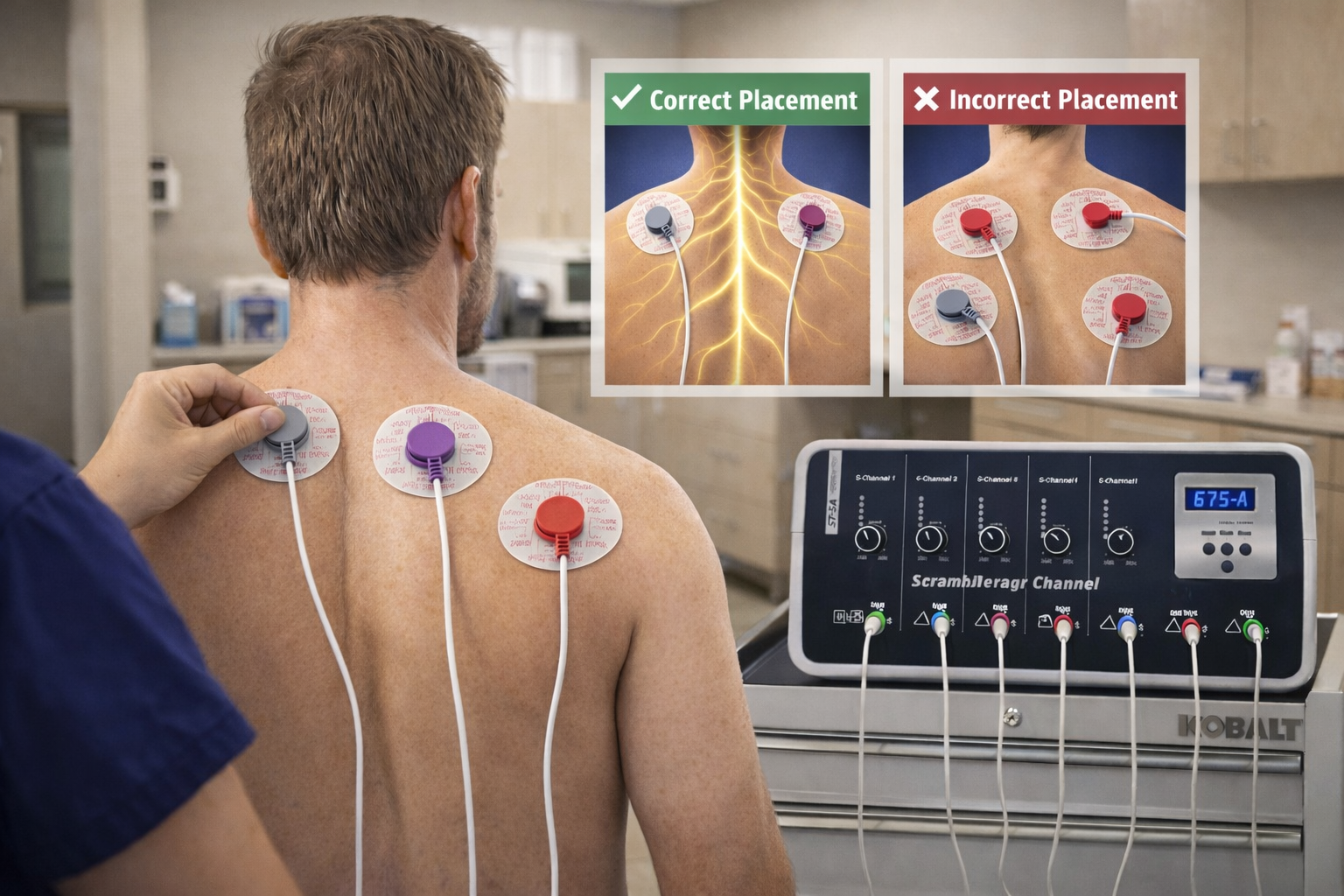
Non-invasive approaches such as Scrambler Therapy aim to modulate abnormal pain signaling. Availability varies, and not all children are candidates.
Children have strong neuroplasticity, the nervous system’s ability to adapt.
With structured therapy:
Research suggests early intervention may be associated with improved functional outcomes.
Seek urgent evaluation if your child experiences:
Bring:
Many children improve with structured treatment, especially when addressed early.
It is less common than adult forms but does occur and is treatable with multidisciplinary care.
Yes. Neuropathic pain may not appear in standard imaging studies.
Persistent nerve pain in children deserves thoughtful evaluation. A structured, evidence-informed plan can help support gradual return to school, activity, and confidence.
If symptoms continue despite initial care, consultation with a pediatric pain specialist may help clarify next steps.
This article is for educational purposes only and does not replace professional medical advice.
Keep up to date with important news about our clinic and your medical records.



.svg)
.svg)
.svg)