.webp)

Scrambler Therapy is a non-invasive treatment that retrains the brain’s response to chronic pain. It uses electrical stimulation to override pain signals sent by damaged nerves, effectively “scrambling” them before they reach the brain.
This therapy targets neuropathic signals in the central nervous system, modifying how pain is interpreted by the brain. Instead of sending pain alerts, the Scrambler Therapy device delivers synthetic “non-pain” messages to the nerve endings.
Key neurological mechanisms include:
Scrambler Therapy is non-invasive, meaning no surgery or medications are required. Unlike nerve blocks or opioids, it works through the natural retraining of nerve pathways and pain messaging systems.
Fibromyalgia is a central pain disorder caused by faulty pain processing in the brain. It is not an inflammatory or autoimmune disease, but a neurological condition involving central sensitization.
This means the brain becomes hypersensitive to stimuli, leading to amplified pain perception, even when there's no physical cause.
Core symptoms include:
Key biological factors:
In fibromyalgia, the nociceptors (pain receptors) misfire repeatedly, sending excessive pain signals to the brain. Over time, these repeated patterns reshape the neural circuits, making the condition chronic.
Scrambler Therapy interrupts and replaces pain messages with artificial “no-pain” signals.
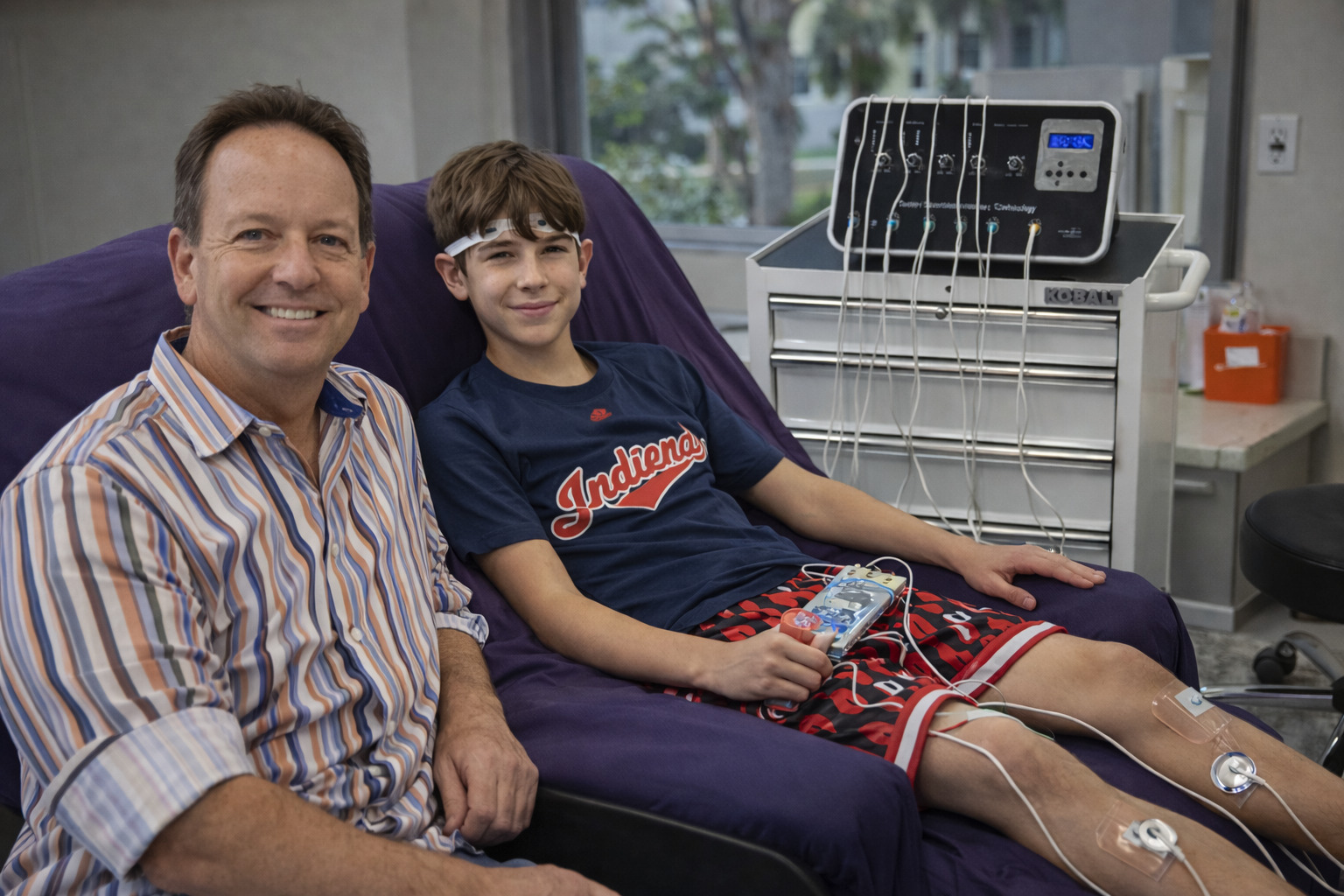
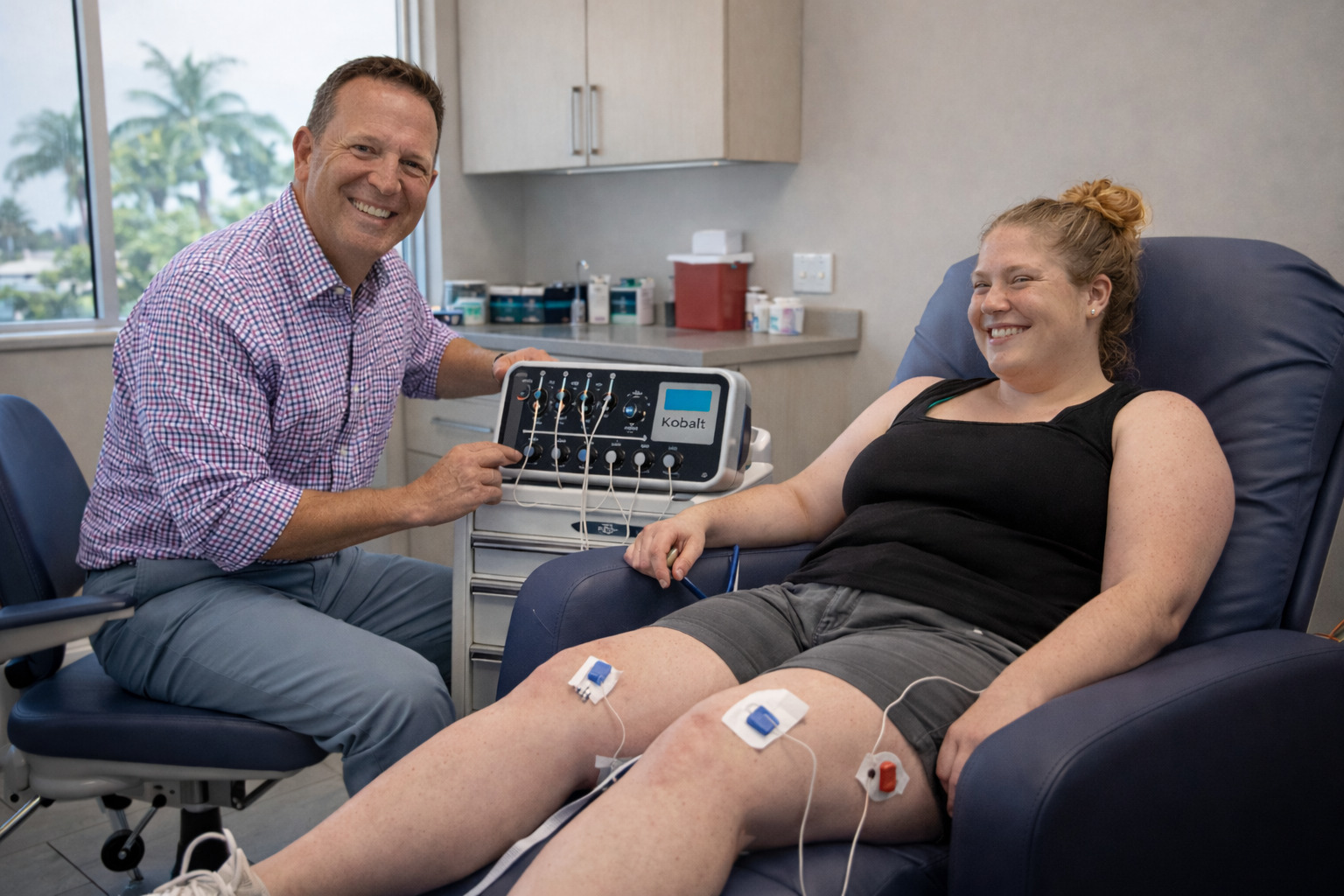
It works by placing surface electrodes on skin near the pain area. These electrodes deliver complex electrical signals designed to mimic normal nerve messages, which the brain interprets as non-painful.
Mechanism vs. TENS (Transcutaneous Electrical Nerve Stimulation):
Important mechanisms:
Patients often describe sensations like tingling, pulsing, or vibration, but no pain during treatment. The goal is pain signal interruption and eventual brain retraining.
Multiple clinical trials and reviews support Scrambler Therapy’s effectiveness in reducing fibromyalgia pain.
Key findings:
Pain outcome metrics used:
Scrambler Therapy consistently shows better durability of response than TENS or medications, especially for treatment-resistant fibromyalgia.
Scrambler Therapy provides long-term pain relief without medication dependence or significant side effects.
Compared to other treatments:
Core benefits:
For those seeking natural pain relief for fibromyalgia, Scrambler Therapy offers a non-drug alternative with high safety and efficacy.
Ideal candidates are adults diagnosed with fibromyalgia who have persistent nerve-related pain unresponsive to other treatments.
Key candidacy indicators:
Profile of typical responders:
Each Scrambler Therapy session lasts 30–50 minutes in an outpatient clinic.
Step-by-step session breakdown:
Therapy technicians monitor your response and adjust protocols accordingly. Patients often notice a cumulative effect, with pain decreasing over the course of treatment.
Many fibromyalgia patients report dramatic improvements in daily life after Scrambler Therapy.
Case study 1:
Maria, 42, had suffered for 8 years with widespread pain. After 10 sessions, her VAS score dropped from 8 to 3, and she reported improved sleep and fewer flare-ups.
Case study 2:
Tom, 56, failed multiple antidepressants and opioids. Post-therapy, he regained mobility, reduced fatigue, and returned to work part-time.
Common success markers:
These patient testimonials show Scrambler Therapy as a viable long-term strategy for managing fibromyalgia nerve pain.
Scrambler Therapy is FDA-cleared and has a high safety profile.
Known side effects:
No known serious adverse effects have been reported in published clinical studies. It is considered a non-invasive fibromyalgia treatment with minimal risk.
Caution required for:
Always discuss medical history with a qualified provider to assess risk profile.
Scrambler Therapy is available at specialized pain clinics across the U.S.
Insurance status:
Access options:
Scrambler Therapy works best as part of a multimodal fibromyalgia treatment plan.
Complementary strategies include:
Mind-body approaches like meditation and breathing exercises can enhance the neuroplastic benefits of Scrambler Therapy.
Combining therapies creates a synergistic effect and supports long-term management.
No. While many patients experience long-term relief, periodic booster sessions may be needed.
Most patients report improvement after 4–6 sessions. Full benefit typically occurs after 10–12 sessions.
Yes. The device is FDA-cleared for chronic pain, including neuropathic conditions.
Yes. It can be safely used alongside antidepressants, muscle relaxants, or supplements.
About 20–30% of patients may not respond, especially if nerve damage is severe or diagnosis is unclear.
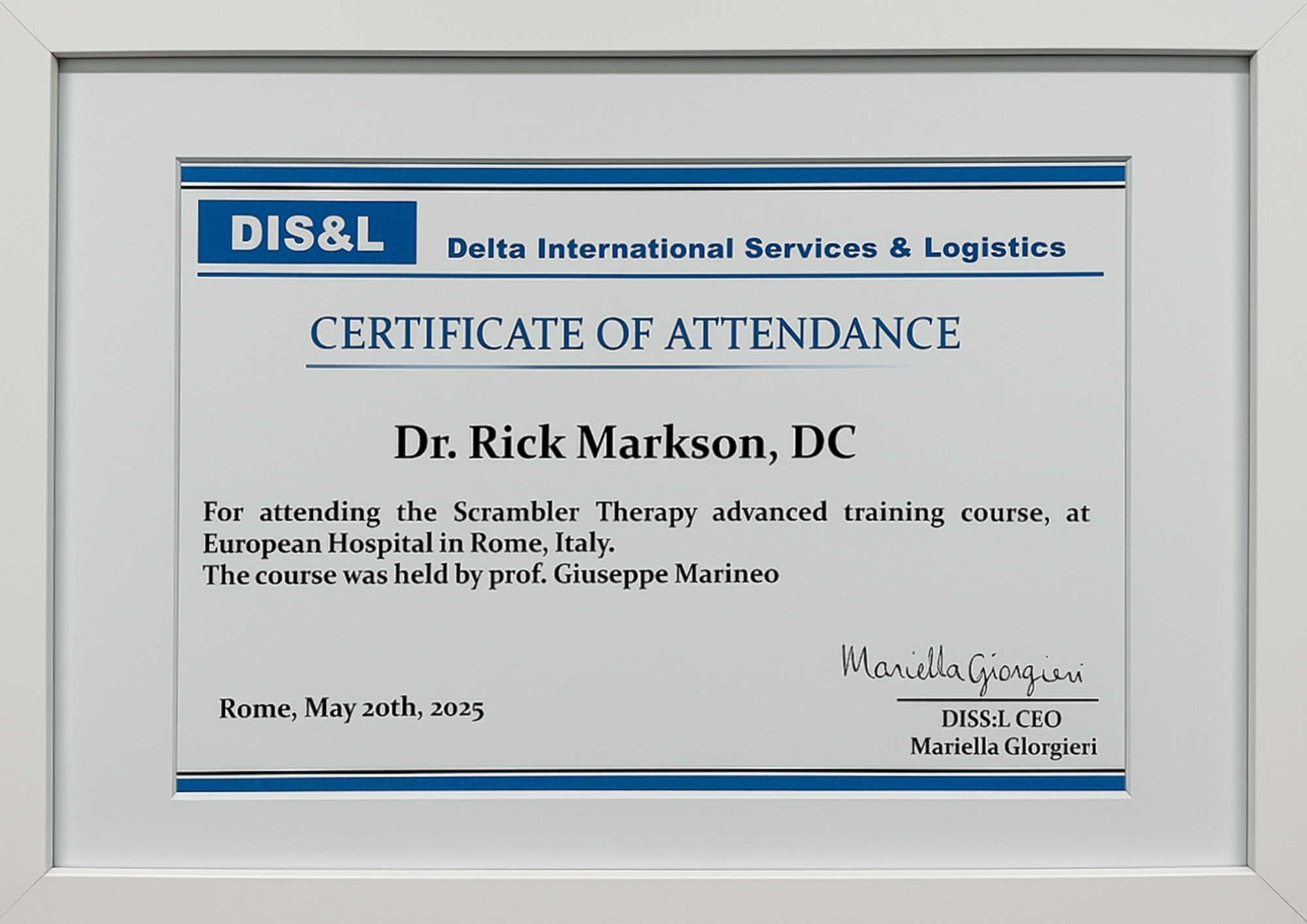
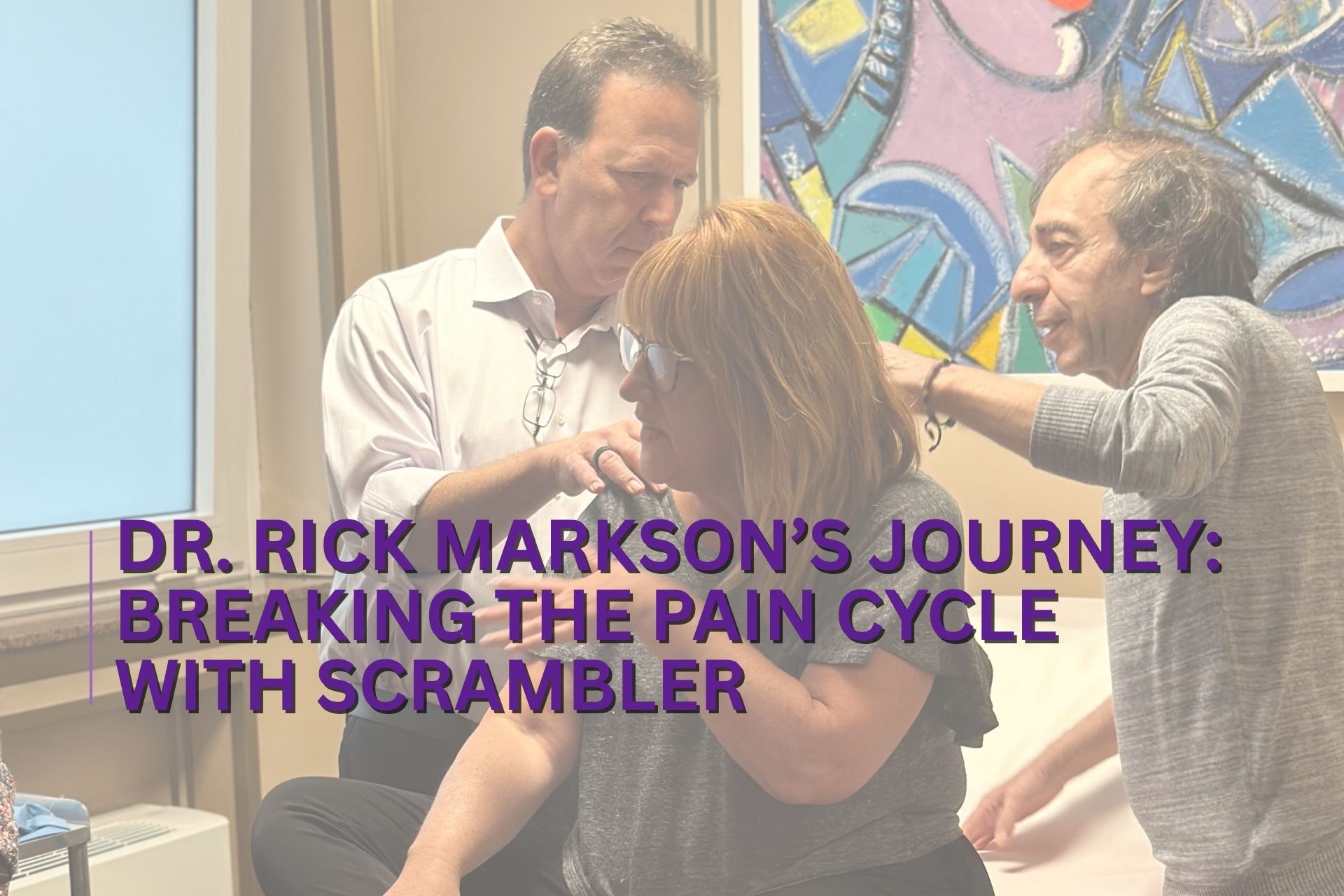
Discover South Florida Scrambler Therapy is one of the nation’s leading clinics for noninvasive chronic pain relief, offering FDA-cleared Scrambler Therapy® for adults and children. Co-founded by Dr. Rick Markson, one of the few practitioners worldwide to receive advanced certification directly from the therapy’s inventor in Rome, our clinic delivers globally recognized expertise with compassionate, personalized care. If you or a loved one is living with treatment-resistant nerve pain, we invite you to schedule a consultation and explore a life beyond pain.
📘 What is scrambler therapy?
📘 What to Expect During a Scrambler Session
📘 CRPS Pain Relief Without Drugs—Real Patient Stories
📘 Conditions that scrambler therapy can treat
Keep up to date with important news about our clinic and your medical records.


.svg)
.svg)
.svg)