.webp)
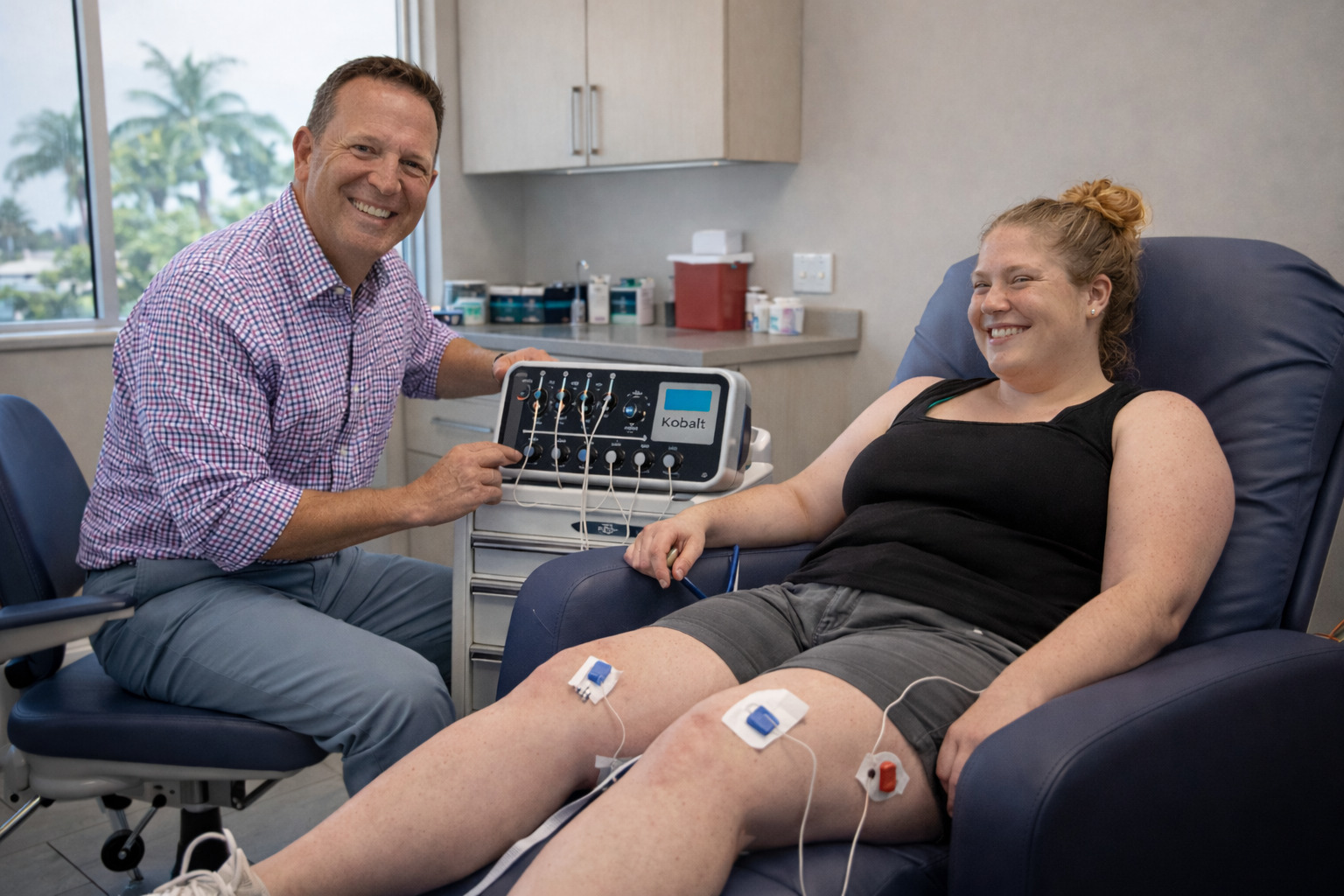
For many people living with chronic neuropathic pain, sleep loss becomes one of the most debilitating parts of the condition. This is the story of one patient whose nights were defined by burning sensations and how meaningful change began—not with pain elimination, but with sleep restoration.
Nerve pain increases at night due to sensory system shifts and reduced external distractions. The brain becomes more aware of internal sensations when ambient noise, movement, and visual input decrease.
The patient described their pain as manageable during the day but unbearable after dark. Sleep became associated with dread.
“I dreaded bedtime more than the pain itself.”
The body stayed tense. Sleep evasion became habitual. Pain perception intensified, setting off a feedback loop between poor rest and worsening discomfort.
Sleep deprivation weakens physical, emotional, and cognitive resilience. In patients with neuropathy, it often amplifies the pain experience.
Documented effects of sleep loss include:
This patient tried sleep aids and pain medications. Relief was inconsistent. Side effects—like grogginess and disorientation—created more disruption than support. Dependency concerns added mental strain.
“It felt like I was trapped between two choices—pain or exhaustion.”
Scrambler Therapy is a non-invasive neuro-modulation technique that aims to retrain how the brain interprets pain signals. Unlike medications, it does not sedate the body or numb the nerves.
Key facts about Scrambler Therapy:
After traditional treatments failed, this patient explored options beyond symptom suppression. Scrambler Therapy stood out for addressing the source of pain perception, not just the symptoms.
They reviewed clinical content including:
The patient reported no expectations for sleep improvement during the first sessions. The focus was on managing discomfort and completing treatment.
But then a shift occurred.
“I fell asleep without realizing it.”
Changes reported:
This subtle change marked the beginning of neurological adaptation. Scrambler Therapy had not eliminated the pain, but it began to modulate its intensity and rhythm.
Sleep does not cure nerve pain, but it enables healing systems to function more efficiently. For this patient, the ability to rest restored physical balance and emotional resilience.
Clinical research shows:
Rest calms the sympathetic nervous system. It prevents cortisol dysregulation and supports neurotransmitter stability. These changes can help patients respond better to ongoing therapies.
“Getting even a few nights of real rest gave me energy I hadn’t felt in years.”
Clinicians report that early signs of therapy effectiveness often appear at night. Patients frequently mention that their sleep patterns improve before daytime pain changes.
In practice, this suggests that the central nervous system is beginning to reinterpret pain signals. Scrambler Therapy does not work by blocking sensation but by correcting maladaptive neural coding.
“Patients come in saying they slept for the first time in months. That’s when we know we’re making progress.” — Pain Specialist, Clinical Lead
Although pain has not fully disappeared, the patient now feels a sense of control over their nights. Sleep became less about fear and more about recovery.
“Sleep gave me my days back.”
Key improvements included:
This transformation redefined their experience with pain. Sleep became a marker of progress, not just a passive goal.
If nerve pain prevents restful sleep, Scrambler Therapy may help reset the body's pain communication pathways. While not designed as a sleep therapy, many patients experience better sleep as an indirect result of treatment.
A consultation can assess:
Treatment plans vary. Some patients notice changes within a few sessions. Others require multiple cycles to see sustainable improvement.
(Verified Patient Statements)
“I slept through the night for the first time in years.”
“The burning pain eased enough that rest finally felt possible.”
“Sleep improvement changed everything for me.”
Reduced distractions and nervous system sensitivity can increase pain awareness at night.
Some patients report improved sleep as pain signaling becomes less intense.
No. It targets nerve pain, which may indirectly improve sleep.
Timing varies, but some patients notice changes during treatment.
Not necessarily. It often means pain is more manageable.
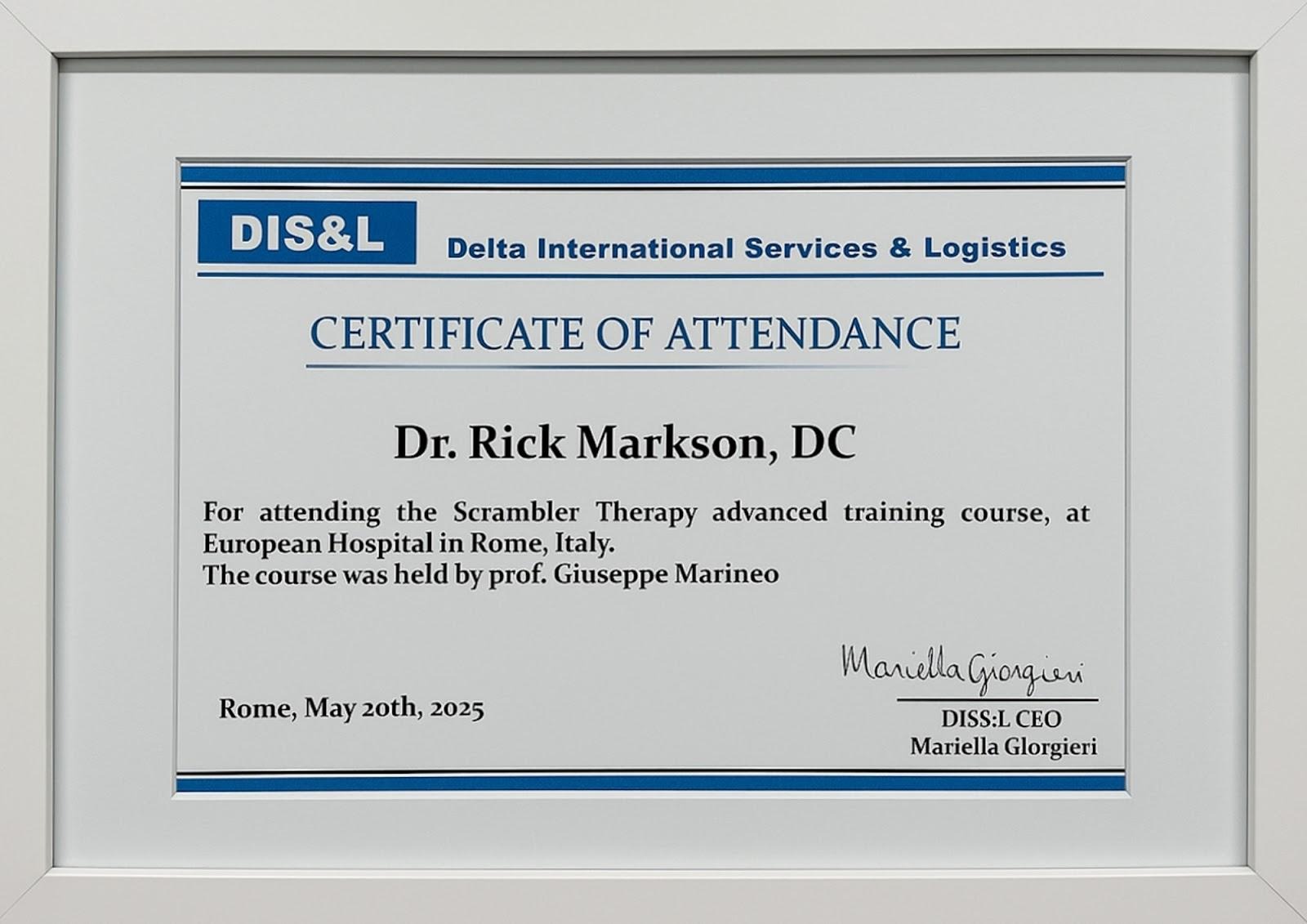
Discover South Florida Scrambler Therapy is one of the nation’s leading clinics for noninvasive chronic pain relief, offering FDA-cleared Scrambler Therapy® for adults and children. Co-founded by Dr. Rick Markson, one of the few practitioners worldwide to receive advanced certification directly from the therapy’s inventor in Rome, our clinic delivers globally recognized expertise with compassionate, personalized care. If you or a loved one is living with treatment-resistant nerve pain, we invite you to schedule a consultation and explore a life beyond pain.
Scrambler Therapy FDA FDA 510(k) database
Scrambler Therapy delivers 80%–90% pain reduction for patients suffering from nerve-related pain.
Pain Physician Journal study on Scrambler Therapy’s effectiveness
Scrambler therapy is a non-invasive, opioid-sparing treatment for chronic pain.
📘 What is scrambler therapy?
📘 What to Expect During a Scrambler Session
📘 CRPS Pain Relief Without Drugs—Real Patient Stories
📘 Conditions that scrambler therapy can treat
This content is intended for informational purposes only and does not replace medical advice. Individual results vary. Always consult a qualified healthcare provider before starting or changing any treatment.
Keep up to date with important news about our clinic and your medical records.



.svg)
.svg)
.svg)