.webp)
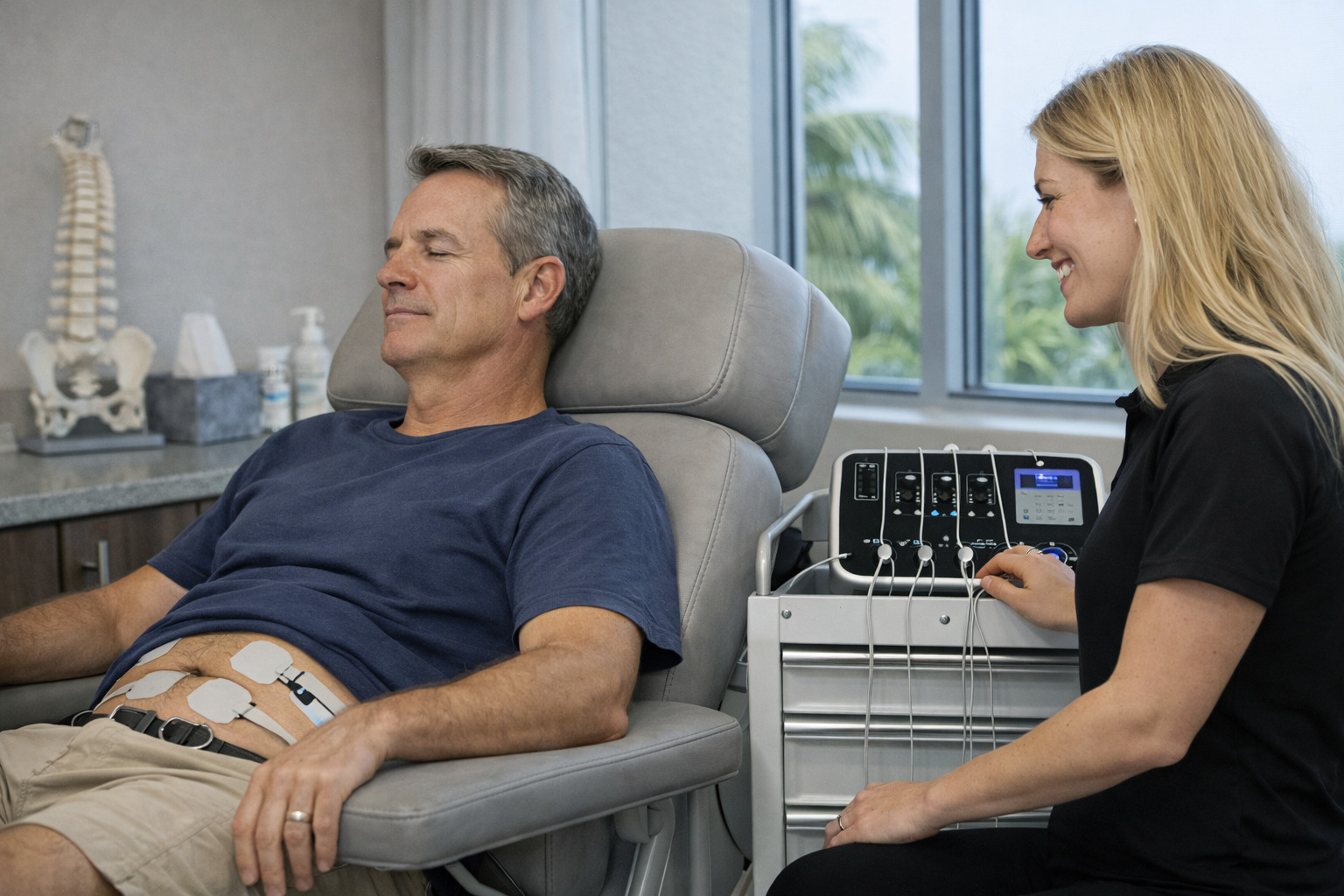
Pain is a biological signal, not just a feeling.
Your nervous system constantly monitors the body, converts sensory input into signals, and decides how to respond. Whether the pain comes from injury or a nerve dysfunction, the process involves multiple steps.
Understanding how pain is coded helps explain why some people feel pain without visible damage and why pain sometimes persists even after healing.
A pain signal is an electrical and chemical message triggered by sensory receptors called nociceptors.
These receptors detect harmful stimuli like:
Once activated, nociceptors convert the stimulus into an electrical signal. The signal travels through peripheral nerves to the spinal cord and brain.
Pain does not come from one location. It emerges from a distributed neural network.
Peripheral nerves detect threats in the skin, muscles, joints, or organs.
They send raw sensory data, not judgments, to the spinal cord.
Signals travel along A-delta and C fibers to the spinal cord.
At this level, pain may be:
The dorsal horn of the spinal cord plays a major role in this modulation.
The brain assigns meaning to incoming signals.
It considers:
This explains why the same injury can feel different between individuals.
For example, pain after a sports injury may feel less threatening than pain after a car accident, even if the tissue damage is similar.
How Does It Work?
Neuropathic pain originates from nerve dysfunction.
Instead of responding to an injury, damaged or irritated nerves generate pain signals without proper stimulus.
Common symptoms include:
This pain is real. It reflects errors in nerve signaling, not imagined symptoms.
Neuroplasticity is the brain and nervous system’s ability to adapt, rewire, and learn.
In the context of pain, this means:
This adaptive learning helps explain why chronic pain persists in some cases.
When pain lasts, the nervous system may enter a state of central sensitization.
In this condition:
These changes reflect amplified processing, not increasing damage.
Many patients report severe pain despite normal imaging.
Once they understand that pain is a product of nervous system processing, not just tissue damage, their fear reduces.
Less fear supports:
This feedback loop improves functional outcomes.
Yes. The nervous system is plastic and trainable.
With the right strategies, it can learn to process signals more accurately.
Evidence-based methods include:
These do not erase pain instantly, but they shift perception toward safety.
Understanding pain reduces fear.
Fear amplifies pain through limbic system activation and motor inhibition.
Education breaks this cycle by:
Knowledge doesn’t erase pain, but it lowers the brain’s threat response.
Pain signals are electrical messages sent through nerves to the brain, where they are interpreted based on context and experience.
Neuropathic pain occurs when nerves themselves send pain signals without normal external triggers.
Yes. Pain reflects nervous system processing, not just injury.
Not always. Chronic pain often involves nervous system sensitization.
Yes. The nervous system is adaptable and can change with appropriate care.
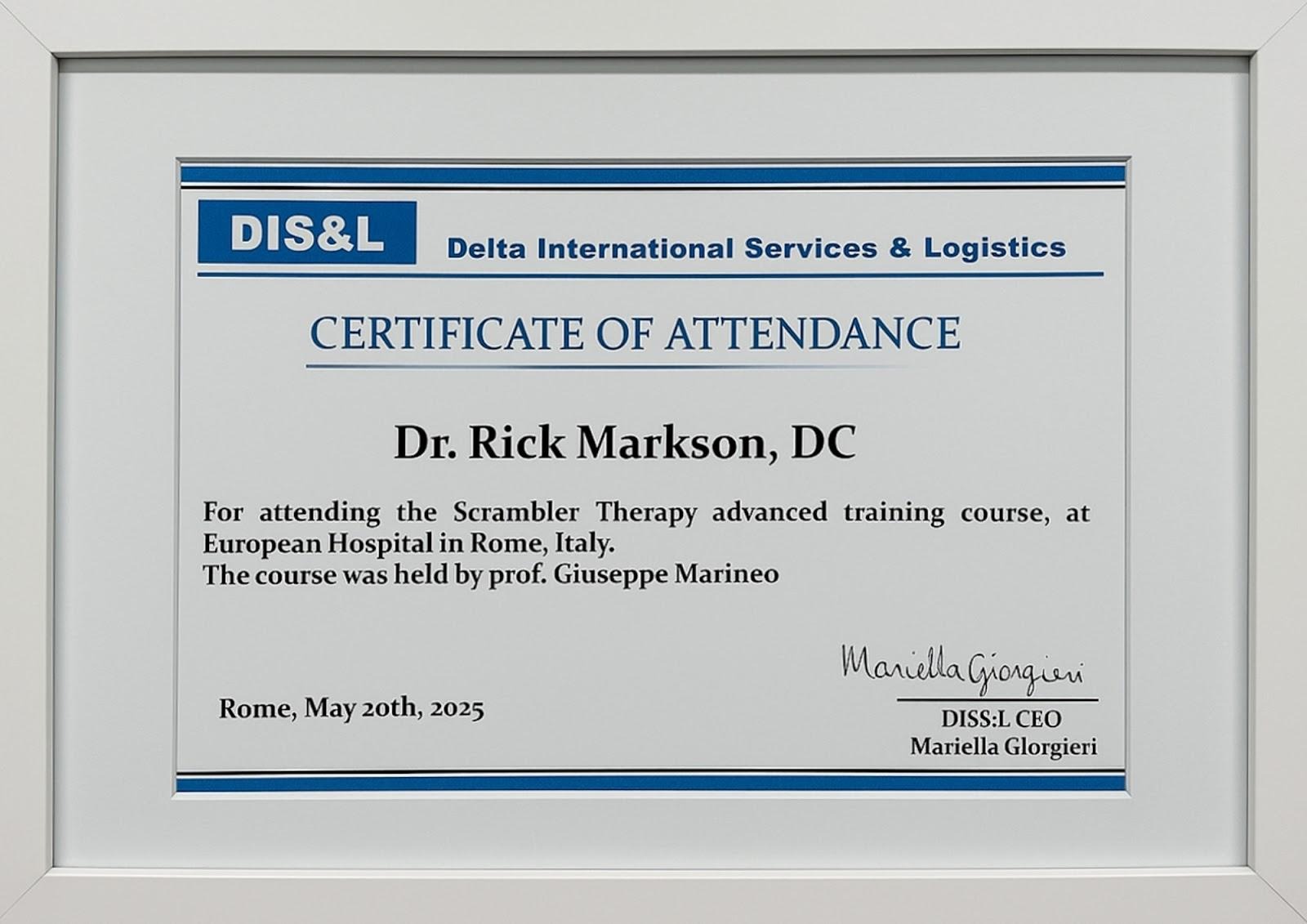
Discover South Florida Scrambler Therapy is one of the nation’s leading clinics for noninvasive chronic pain relief, offering FDA-cleared Scrambler Therapy® for adults and children. Co-founded by Dr. Rick Markson, one of the few practitioners worldwide to receive advanced certification directly from the therapy’s inventor in Rome, our clinic delivers globally recognized expertise with compassionate, personalized care. If you or a loved one is living with treatment-resistant nerve pain, we invite you to schedule a consultation and explore a life beyond pain.
Scrambler Therapy FDA FDA 510(k) database
Scrambler Therapy delivers 80%–90% pain reduction for patients suffering from nerve-related pain.
Pain Physician Journal study on Scrambler Therapy’s effectiveness
Scrambler therapy is a non-invasive, opioid-sparing treatment for chronic pain.
📘 What is scrambler therapy?
📘 What to Expect During a Scrambler Session
📘 CRPS Pain Relief Without Drugs—Real Patient Stories
📘 Conditions that scrambler therapy can treat
This article provides general educational information. It is not medical advice. Always consult a qualified healthcare provider for diagnosis or treatment. Pain varies between individuals and needs professional evaluation.
Keep up to date with important news about our clinic and your medical records.



.svg)
.svg)
.svg)