How We Build a Pain Map in South Florida Scrambler Therapy: The Assessment Process Explained

About Scrambler Therapy

Chronic nerve pain can be difficult to localize, describe, and treat effectively. A structured pain mapping approach helps clinicians identify where pain originates, how it spreads, and which neural pathways may be involved. This process supports more precise, individualized, and evidence-informed care planning.

What Is a Pain Mapping Assessment and Why It Matters

A pain mapping assessment is a structured neurological evaluation used to analyze the location, pattern, and behavior of neuropathic pain. It focuses on how peripheral nerves and the central nervous system process abnormal sensory signals.

How is this different from a general exam?

Unlike a general physical exam, a targeted neurological pain evaluation may include:

  • Mapping pain across dermatomes (nerve root distributions)
  • Assessing nociceptive signaling pathways
  • Identifying abnormal sensory responses such as:
    • Allodynia (pain from non-painful stimuli)
    • Hyperalgesia (increased sensitivity to pain)

This type of structured evaluation is widely supported in clinical neurology for improving diagnostic clarity in neuropathic pain conditions (Treede et al., Neurology, 2008; IASP guidelines).

Why does mapping matter?

Neuropathic pain often follows predictable nerve distributions. Understanding these patterns may help clinicians:

  • Identify affected peripheral nerves
  • Detect central sensitization mechanisms
  • Differentiate nerve-related pain from musculoskeletal conditions

Research shows that mechanism-based pain classification can improve treatment targeting and outcomes (Baron et al., Lancet Neurology, 2010).

Does it support non-opioid care?

A structured assessment may support more targeted, conservative care strategies by:

  • Reducing reliance on generalized medication approaches
  • Guiding non-invasive therapies
  • Supporting individualized treatment planning

The CDC and NIH emphasize careful evaluation before escalating pharmacologic therapy in chronic pain management.

Step-by-Step: How a Pain Map Is Built

A pain map is developed through a systematic process combining patient history, physical examination, and sensory testing.

1. Detailed Symptom Interview

Clinicians document:

  • Onset, duration, and progression
  • Pain characteristics (burning, tingling, electric-like)
  • Aggravating and relieving factors

This establishes the clinical baseline.

2. Pain Distribution Analysis

The clinician evaluates:

  • Localized vs radiating pain
  • Symmetry vs asymmetry
  • Alignment with dermatomes

Dermatomal mapping is a key diagnostic tool in conditions such as radiculopathy (Cleveland Clinic, 2023).

3. Sensory Testing

A neurological exam may include:

  • Light touch and pinprick testing
  • Detection of numbness or sensory loss
  • Identification of hypersensitive areas

Quantitative sensory testing (QST) is supported in research as a reliable method for assessing neuropathic pain mechanisms (Rolke et al., Pain, 2006).

4. Pain Scoring and Baseline Measurement

Validated tools such as the Visual Analog Scale (VAS) or Numeric Rating Scale (NRS) are used to quantify pain intensity.

These tools are widely used in clinical trials and recommended by NIH pain research standards.

5. Review of Diagnostic Data

Existing studies may be reviewed:

  • MRI → structural abnormalities (disc herniation, stenosis)
  • EMG/NCS → nerve conduction and dysfunction

This multimodal approach improves diagnostic confidence.

Identifying the Source of Nerve Pain

A structured mapping process helps distinguish neuropathic pain from other pain types by analyzing:

  • Nerve pathway distribution
  • Sensory deficits
  • Patterns of radiation

Example

  • Sciatic nerve involvement often presents as pain radiating from the lower back down the leg
  • Diabetic neuropathy typically shows symmetric distal patterns

Conditions commonly evaluated

  • Lumbar radiculopathy
  • Diabetic peripheral neuropathy
  • Post-herpetic neuralgia
  • Chemotherapy-induced neuropathy

These conditions have distinct clinical patterns supported by neurological guidelines (NIH; Dworkin et al., Pain, 2007).

Differentiating pain types

  • Radicular pain → follows dermatomes
  • Localized pain → confined to one region
  • Referred pain → felt away from the source

Accurate classification is essential for appropriate treatment selection.

How Mapping Supports Treatment Planning

Pain mapping findings can help guide therapy selection by aligning treatment with the underlying pain mechanism.

Potential benefits include:

  • More precise targeting of affected nerve pathways
  • Avoidance of ineffective generalized treatments
  • Support for non-invasive interventions

Common therapies informed by mapping

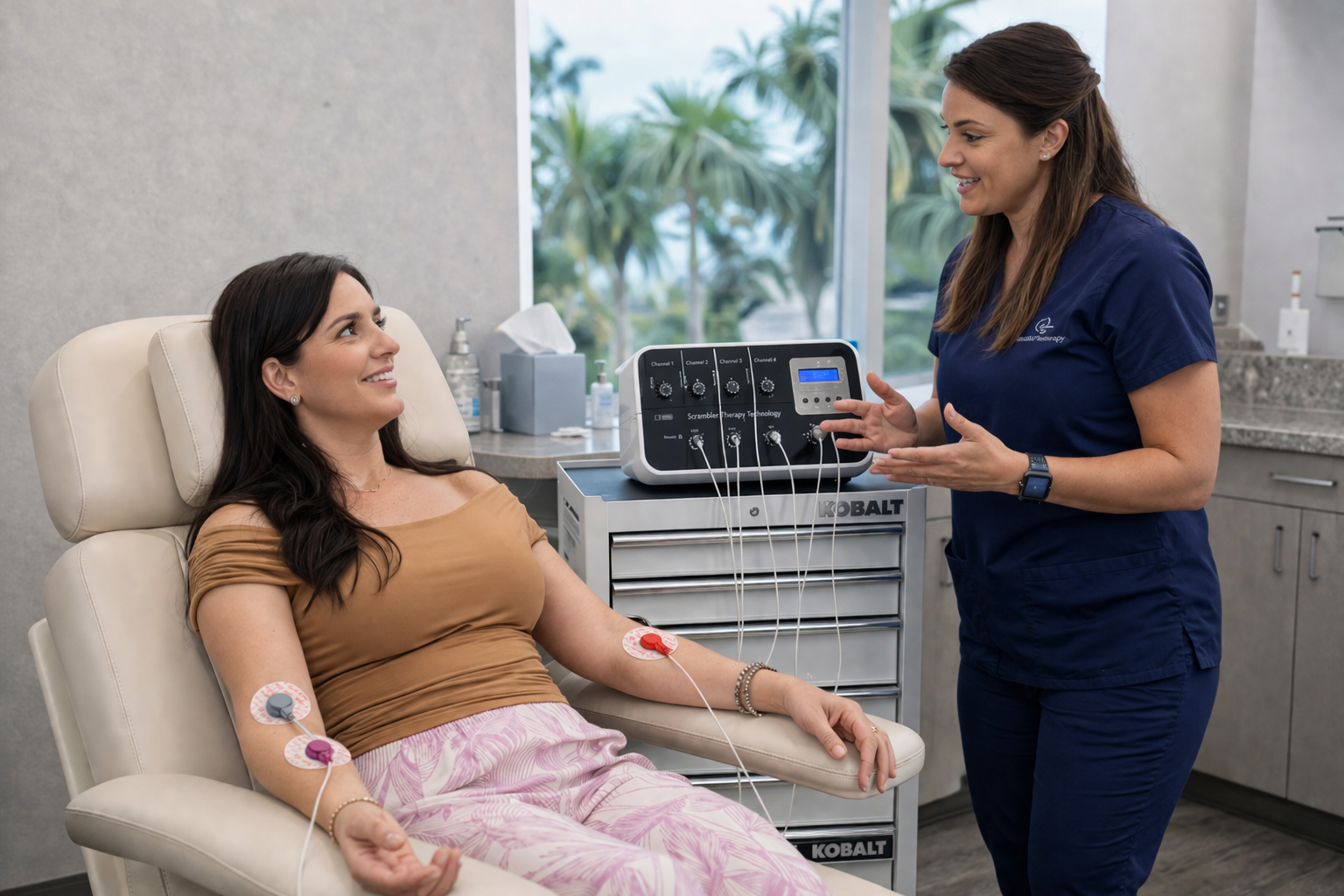
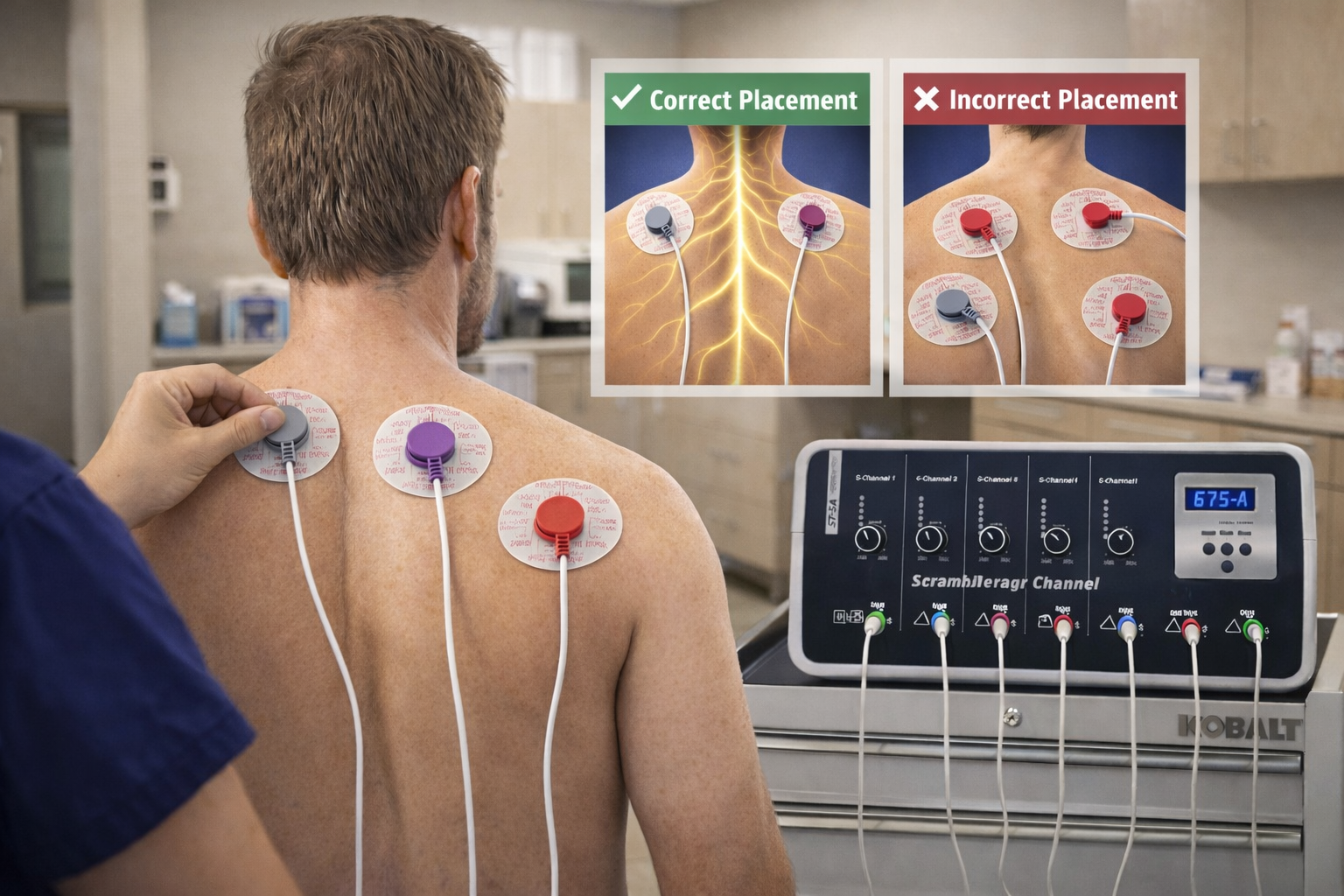
  • Scrambler Therapy (cutaneous electrical stimulation)
  • Neuromodulation techniques
  • Peripheral nerve stimulation

Emerging evidence suggests that neuromodulation may help alter maladaptive pain signaling and promote neuroplasticity (Marineo et al., Journal of Pain and Symptom Management, 2012).

Role of neuroplasticity

Targeted stimulation may:

  • Interrupt abnormal pain signaling
  • Encourage reorganization of neural pathways
  • Improve function over time in some patients

Why Clinical Expertise Matters

The accuracy of a pain mapping assessment depends heavily on clinician training and experience.

Important qualifications

  • Board certification in pain medicine or neurology
  • Experience with complex neuropathic conditions
  • Familiarity with evidence-based diagnostic frameworks

Role of clinical guidelines

Organizations such as:

  • National Institutes of Health (NIH)
  • International Association for the Study of Pain (IASP)

provide standardized approaches for evaluating and managing chronic pain.

Experienced clinicians are more likely to apply structured diagnostic reasoning and avoid misclassification.

Frequently Asked Questions

Is this assessment safe?

Yes. It is non-invasive and relies on clinical examination and sensory testing, consistent with guidelines from institutions like Mayo Clinic and Cleveland Clinic.

How effective is it?

It may improve diagnostic accuracy and support more targeted treatment decisions, especially in neuropathic pain syndromes.

How long does it take?

Typically 45–90 minutes, depending on complexity and need for additional testing.

Who should consider it?

Patients with:

  • Chronic neuropathic pain
  • Post-surgical nerve pain
  • Diabetic neuropathy
  • Unexplained or treatment-resistant symptoms

References

  1. Treede RD, et al. Neuropathic pain: redefinition and grading system. Neurology.
  2. Baron R, Binder A, Wasner G. Neuropathic pain: diagnosis and mechanisms. Lancet Neurology.
  3. Rolke R, et al. Quantitative sensory testing in neuropathic pain. Pain.
  4. Dworkin RH, et al. Pharmacologic management of neuropathic pain. Pain.
  5. Marineo G, et al. Scrambler therapy for neuropathic pain. J Pain Symptom Manage.
  6. Cleveland Clinic – Radiculopathy
  7. National Institutes of Health (NIH) – Chronic Pain Overview

What Happens Next?

After the assessment, patients typically receive:

  • A personalized care plan
  • Guidance on conservative treatment options
  • Ongoing monitoring and follow-up

This structured approach helps align treatment with the underlying pain mechanism rather than relying solely on symptom suppression.

📞 Call: 954-476-6661
📅 Or schedule a consultation to explore non-invasive options

Patient Reviews

"I am so thankful for the relief I found through Scrambler Therapy. After years of chronic pain from neuropathy, I finally have my life back. The team truly cares about their patients."
Melissa Chen
2 weeks ago
"I am so thankful for the relief I found through Scrambler Therapy. After years of chronic pain from neuropathy, I finally have my life back. The team truly cares about their patients."
Melissa Chen
2 weeks ago
"I am so thankful for the relief I found through Scrambler Therapy. After years of chronic pain from neuropathy, I finally have my life back. The team truly cares about their patients."
Melissa Chen
2 weeks ago
"I am so thankful for the relief I found through Scrambler Therapy. After years of chronic pain from neuropathy, I finally have my life back. The team truly cares about their patients."
Melissa Chen
2 weeks ago
"I am so thankful for the relief I found through Scrambler Therapy. After years of chronic pain from neuropathy, I finally have my life back. The team truly cares about their patients."
Melissa Chen
2 weeks ago
"I am so thankful for the relief I found through Scrambler Therapy. After years of chronic pain from neuropathy, I finally have my life back. The team truly cares about their patients."
Melissa Chen
2 weeks ago
Trusted Relief in South Florida Scrambler Therapy

Start Your Nerve Pain-Free Journey Today

Don't let nerve pain discomfort control your life. Call today or book online to see if this is right for you.
natural treatment for nerve pain