.webp)

If your pain starts at the base of your skull and shoots upward—or feels like stabbing, zapping, or burning—it may be nerve pain, not a typical headache.
Occipital neuralgia happens when the occipital nerves (which travel from the upper neck to the scalp) become irritated or inflamed. The pain often feels electric, sharp, or hot. It can be triggered by neck movement, posture strain, or light touch.
This guide explains:
Occipital neuralgia is a neuropathic pain condition involving the greater or lesser occipital nerves. These nerves originate in the C2-C3 spinal roots and travel upward through neck muscles to the scalp. When irritated, they send pain signals interpreted as sharp, electric, or burning.
Common pain descriptions include:
Next, we’ll review the key symptoms to help distinguish nerve-based head pain.
Occipital neuralgia symptoms typically include:
This pain often mimics migraines, but differs in quality. Migraines often pulse and involve nausea or light sensitivity. Occipital neuralgia pain is sharper, shorter, and often electric in nature.
Next, we’ll explore what causes these nerve-related symptoms.
Known triggers of occipital neuralgia include:
The nervous system may stay in a hyper-reactive state, even after the original injury resolves. That’s why some patients don’t have a clear, isolated cause.
Next, we’ll compare occipital neuralgia with other common headache types.
Occipital neuralgia differs in both origin and symptom pattern.
Recognizing the pattern helps guide proper care. In the next section, we focus on relief options.
Neuropathic pain involves a hyperactive pain pathway. To reduce irritation:
The neck’s mobility and muscle tone can impact nerve pressure.
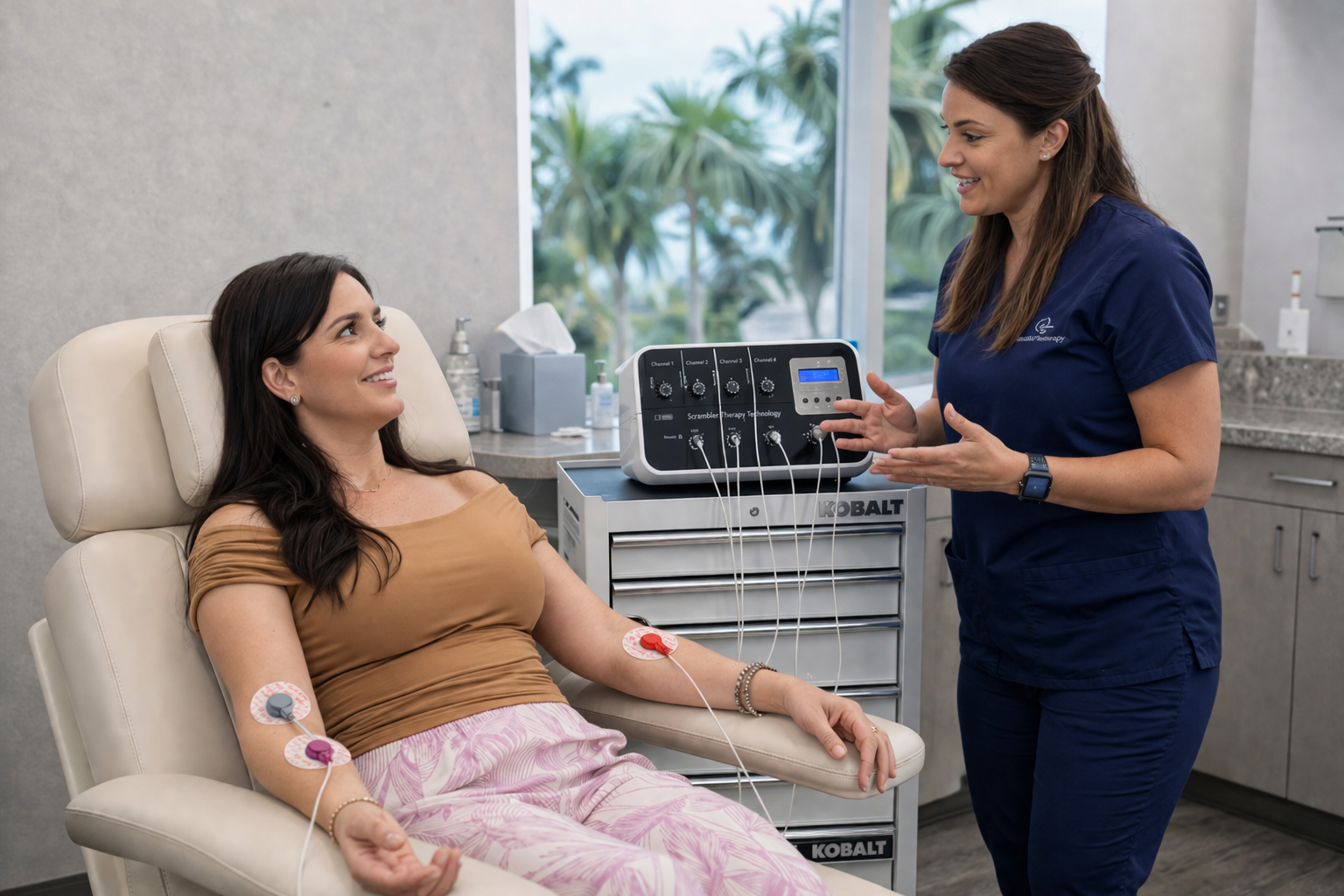
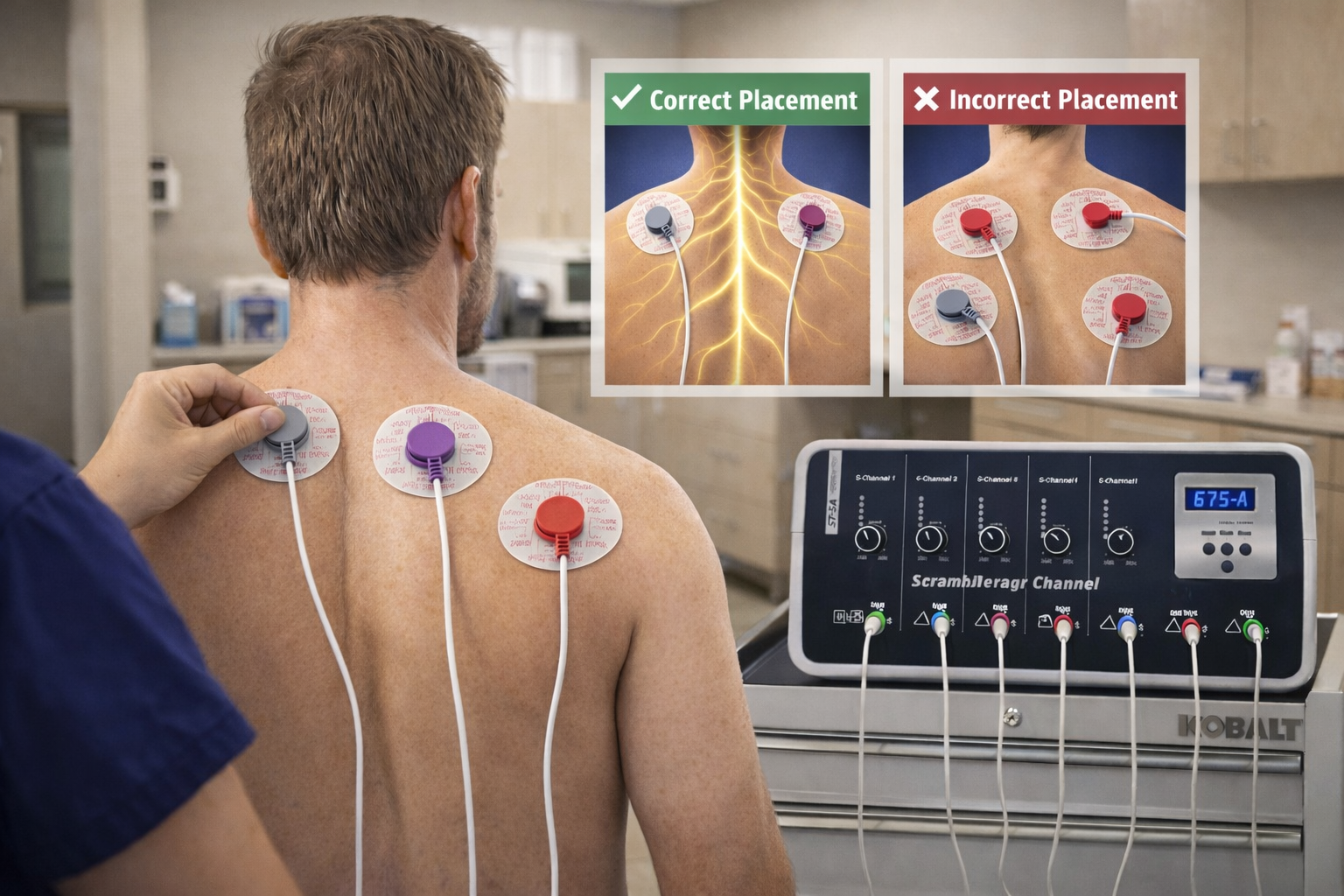
Scrambler Therapy is an FDA-cleared treatment for chronic nerve pain. It delivers non-pain signals to the brain to “override” persistent pain input.
Benefits of Scrambler Therapy:
Medical care may involve:
📌 Get evaluated if pain is:
Next, we’ll describe typical patient patterns seen in the clinic.
Many patients report being misdiagnosed with regular headaches when the pain feels nothing like it. Common phrases include:
In clinic, we:
Next, we outline when to seek urgent medical attention.
Go to an ER or call emergency services if you experience:
These may signal serious conditions that need immediate intervention.
Next, see what steps help move forward if you suspect occipital neuralgia.
To help your clinician assess the pain, track:
📌 Meet Dr. Markson
📌 Patient Success Stories
Irritation or compression of the occipital nerves, often due to muscle tension, posture strain, or past neck injury, can trigger pain.
Clinicians diagnose by reviewing symptoms, pain patterns, physical exam findings, and sometimes by using nerve blocks or imaging.
Not always. With treatment, many people reduce or resolve symptoms through therapy, nerve blocks, or neuromodulation techniques.
Yes. Stress increases muscle tension and nervous system sensitivity, both of which can intensify symptoms.
Treatment depends on severity. Options include physical therapy, lifestyle changes, Scrambler Therapy, nerve blocks, or medications.
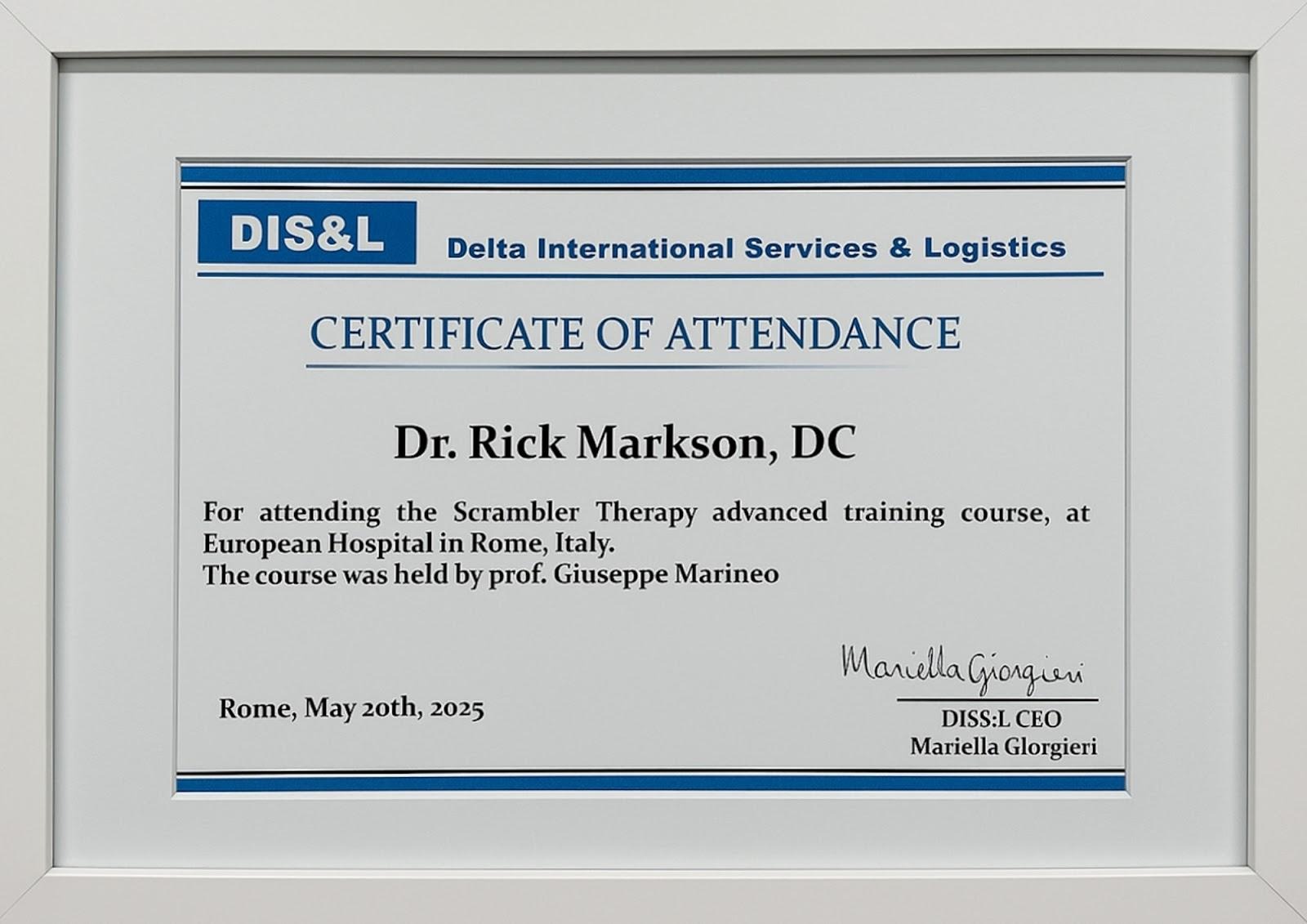
Discover South Florida Scrambler Therapy is one of the nation’s leading clinics for noninvasive chronic pain relief, offering FDA-cleared Scrambler Therapy® for adults and children. Co-founded by Dr. Rick Markson, one of the few practitioners worldwide to receive advanced certification directly from the therapy’s inventor in Rome, our clinic delivers globally recognized expertise with compassionate, personalized care. If you or a loved one is living with treatment-resistant nerve pain, we invite you to schedule a consultation and explore a life beyond pain.
Scrambler Therapy FDA FDA 510(k) database
Scrambler Therapy delivers 80%–90% pain reduction for patients suffering from nerve-related pain.
Pain Physician Journal study on Scrambler Therapy’s effectiveness
Scrambler therapy is a non-invasive, opioid-sparing treatment for chronic pain.
📘 What is scrambler therapy?
📘 What to Expect During a Scrambler Session
📘 CRPS Pain Relief Without Drugs—Real Patient Stories
📘 Conditions that scrambler therapy can treat
Keep up to date with important news about our clinic and your medical records.



.svg)
.svg)
.svg)