CRPS in children is a rare but severe chronic pain condition. It affects limbs and usually follows minor injuries. Unlike adults, pediatric CRPS often presents more suddenly and intensely, with rapid progression if untreated.
Complex Regional Pain Syndrome (CRPS) involves dysfunction in the nervous system, especially the sympathetic nervous system, triggering disproportionate pain. It manifests in two types:
Type I CRPS (no confirmed nerve injury)
Type II CRPS (linked to a specific nerve injury)
Children typically experience Type I more frequently than Type II.
Key distinctions from adults: Pediatric CRPS has a higher remission rate and better recovery outcomes with early intervention. Children also show more behavioral and emotional signs due to different pain perception.
Understanding early helps caregivers and clinicians break the cycle of chronic pain early, minimizing long-term neurological or psychological effects.
In the next section, we explore the causes behind CRPS development in kids.
What Causes CRPS in Kids?
The causes of CRPS in children typically involve:
1. Physical trauma
Minor injuries like sprains, fractures, or bruises often precede CRPS onset.
Even needle sticks or tight casts can act as triggers.
2. Neurological dysfunction
Overactivation of pain receptors and dysregulated nerve signals escalate normal pain into chronic pain.
3. Post-surgical complications
Surgeries involving limbs may lead to nerve inflammation or autonomic system overreaction.
4. Genetic and autoimmune links
Some studies suggest a predisposition due to immune dysregulation or family history of pain disorders.
Example: A 12-year-old developing CRPS weeks after an ankle sprain, with swelling and hypersensitivity beyond injury expectations.
Next, we break down how to recognize the earliest signs of CRPS in kids before it becomes chronic.
What Are the Early Signs of CRPS in Kids?
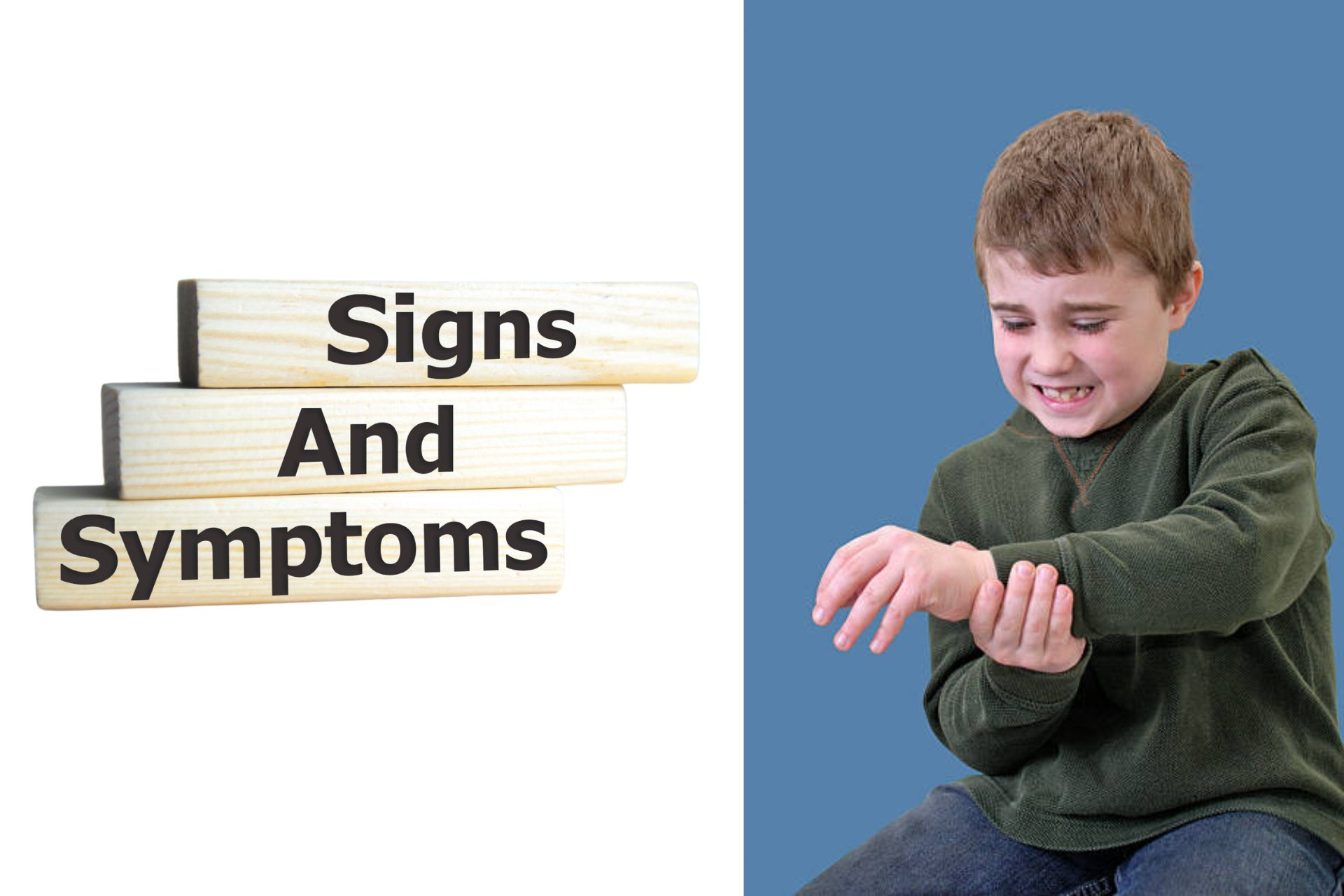
The early signs of CRPS in children often go unnoticed or misattributed. Recognizing these symptoms early is key for reversing progression.
Observable physical signs:
Allodynia: Pain from light touch, like clothing brushing skin
Hyperalgesia: Heightened sensitivity to pain
Skin changes: Redness, blueish tint, or patchy discoloration
Temperature asymmetry: Affected limb may feel colder or warmer
Swelling and stiffness: Often without clear trauma explanation
Behavioral signs:
Refusing to use a limb or limp without injury
Increased irritability or withdrawal from activities
Sleep issues due to ongoing pain
Age-specific manifestations:
Younger children may struggle to express the pain verbally
Older children might describe it as "burning" or "electric"
Tip: Look for mismatch between pain reported and visible injury severity.
Next, we dive into how medical professionals diagnose CRPS in pediatric cases.
How Is CRPS Diagnosed in Kids?
Diagnosing CRPS in kids requires a combination of clinical evaluation and symptom observation, often guided by the Budapest Criteria.
Diagnostic approach:
Pain assessment based on four symptom categories: sensory, vasomotor, sudomotor/edema, and motor/trophic
Pediatrician evaluation to rule out other causes
Diagnostic imaging such as:
MRI for detecting inflammation or structural anomalies
Bone scans to identify increased uptake, common in CRPS
Sensory and functional testing to assess motor limitations
Common challenges:
CRPS is frequently misdiagnosed as malingering, juvenile arthritis, or psychosomatic pain
Children may underreport or overdramatize pain due to developmental factors
Clinical tip: A pediatric pain specialist should be involved if symptoms persist beyond three weeks with no clear orthopedic cause.
We now look at how CRPS progresses in children and why tracking symptoms is vital.
What Are the Stages of CRPS in Kids?
CRPS progression in kids occurs across three general stages, though not every child goes through them linearly.
Let’s look at how CRPS affects a child’s mental and emotional state next.
What Is the Emotional Impact of CRPS in Kids?
CRPS affects children's mental health through both direct and indirect effects of chronic pain.
Emotional symptoms:
Depression and anxiety from persistent pain and isolation
Mood swings, irritability, and social withdrawal
School refusal due to pain or embarrassment
Social and developmental concerns:
Missed school days affect education
Limited social interaction reduces emotional development
Reduced confidence and increased dependence on caregivers
Supportive therapies:
Cognitive Behavioral Therapy (CBT) tailored for pediatric pain
Family therapy and support groups
Mindfulness and biofeedback training for stress regulation
Next, we explore the treatment paths that combine physical and psychological strategies.
What Are the Best Treatments for CRPS in Kids?
CRPS treatment in children works best when initiated early and follows a multimodal strategy. Combining medical, physical, and complementary therapies increases the chance of full functional recovery. Scrambler therapy is a newer non-invasive option for neuropathic pain relief.
Which Medical Treatments Are Used for Pediatric CRPS?
CRPS in children is managed with medications that target nerve-related pain pathways:
NSAIDs reduce inflammation in early stages.
Gabapentin modulates nerve signals in neuropathic pain.
Low-dose antidepressants like amitriptyline support nerve pain control and sleep.
Topical analgesics such as lidocaine patches desensitize the affected area.
Desensitization patches help reduce tactile hypersensitivity.
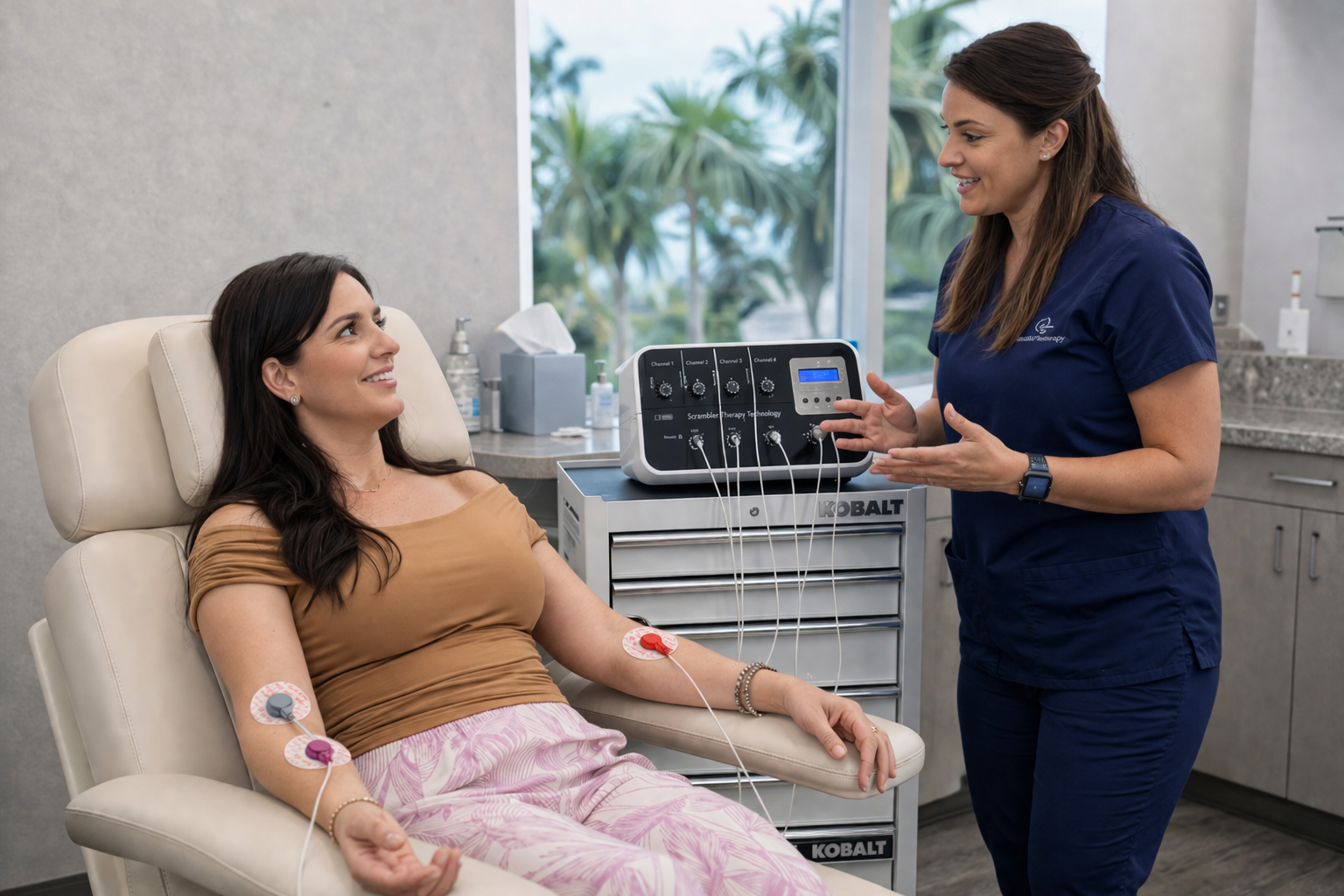
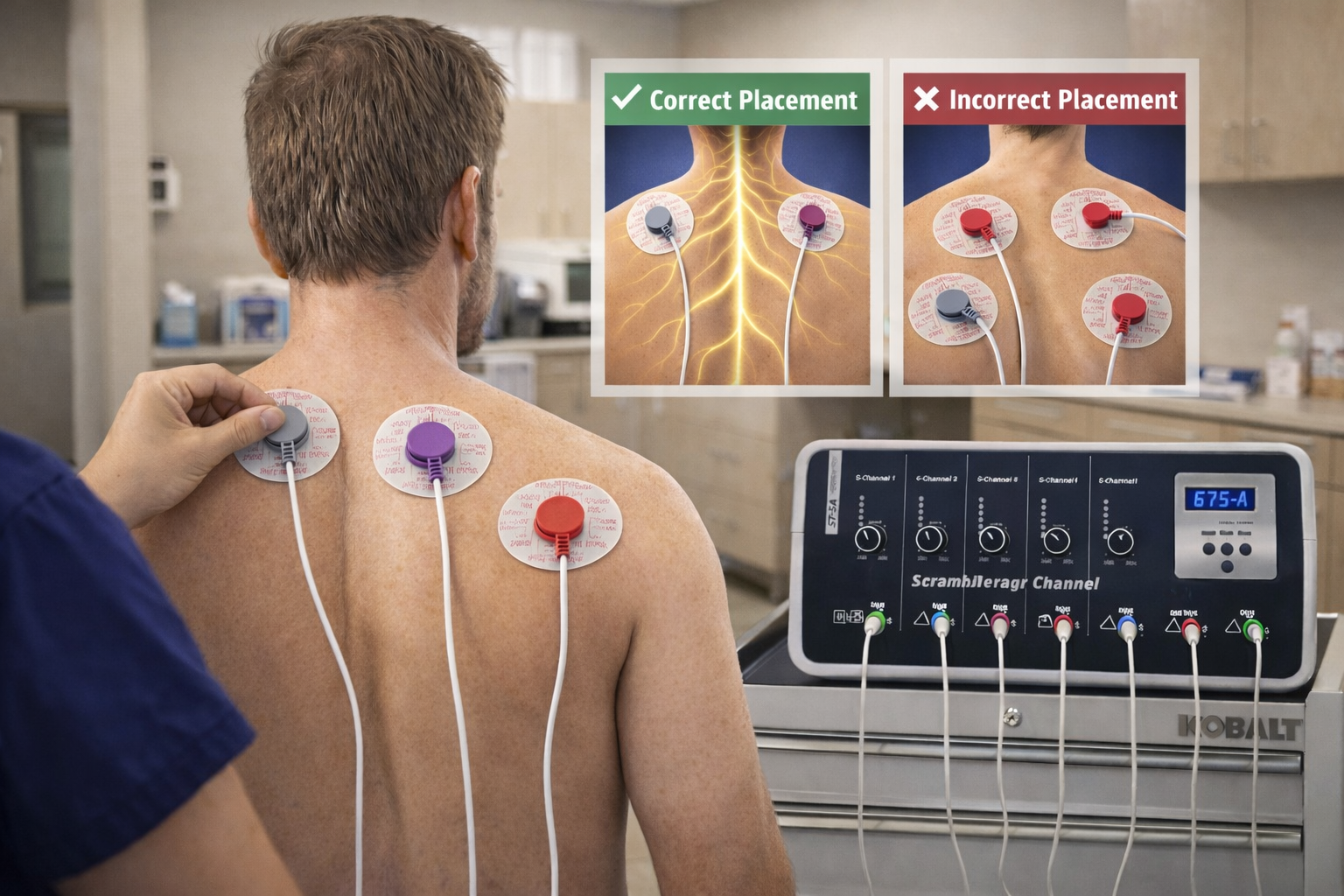
Scrambler therapy re-trains pain perception by replacing pain signals with non-pain stimuli via skin electrodes. It's non-invasive and well-tolerated in children.
What Is Scrambler Therapy and Why Is It Effective?
Scrambler Therapy is an FDA-cleared, non-invasive neurostimulation treatment. It works by replacing chronic pain signals with synthetic “non-pain” signals via skin electrodes. This retrains the brain’s pain memory.
Clinical studies report 80%–90% pain reduction in CRPS patients.
.webp)





.svg)
.svg)
.svg)